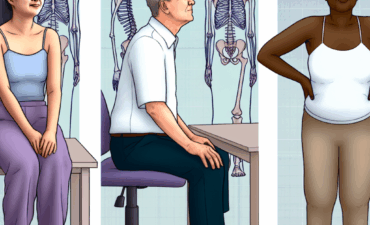
The Surprising Secret to Bone Health After 50: It’s Not Just Calcium!
Forget what you thought you knew about aging and bone health. While calcium gets all the glory, there’s another unsung hero that deserves our attention—protein. That’s right, the same nutrient that helps build muscle also plays a vital role in keeping our bones strong as we age. So, if you’re north of 50 and keen on keeping your skeleton sturdy, you might want to rethink your protein intake. Let’s unpack why protein is your skeletal system’s new best friend.
Understanding Bone Health and Aging
The Basics of Bone Health
Bones are far from the inert structures many imagine. They’re dynamic, living tissues that constantly rebuild and reform. But as we age, especially past 50, this remodeling process can slow down due to hormonal changes and nutritional deficiencies, heightening the risk of osteoporosis and fractures.
Why Protein Matters as You Age
Protein isn’t just for bodybuilders. It’s essential for bone health too. Proteins boost bone density by enhancing the absorption of calcium and promoting the production of bone-building growth factors like IGF-1. Think of protein as the foreman of the bone construction site, supervising the proper placement of calcium and the turnover of bone materials.
Protein Needs for the Aging Population
How Protein Requirements Change After 50
With age, your body becomes less efficient at processing protein, which can lead to muscle mass decline—a problem since muscle health directly impacts bone health. To counteract this, increased protein intake is recommended as you age.
High-Quality Protein Sources
- Animal-Based Proteins: Think chicken, fish, eggs, and dairy products for high bioavailability.
- Plant-Based Proteins: Beans, lentils, tofu, and quinoa are excellent for those on a vegetarian or vegan regimen.
Practical Strategies to Enhance Bone Health Through Diet
Integrating Protein into Your Diet
Adding protein to your diet can be easy and delicious. Consider blending a scoop of whey protein into your morning smoothie or enjoying a cup of Greek yogurt as an afternoon snack.
Synchronizing Nutrition with Lifestyle
Combining protein intake with physical activity can magnify its benefits on bone density. Consider gentle, bone-strengthening activities like walking, yoga, or light weightlifting that not only help in better absorption and utilization of protein but also keep your bones robust.
Overcoming Challenges and Misconceptions
Common Protein Myths Debunked
Worried that high protein intake might harm your kidneys? For most people with healthy kidneys, a protein-rich diet is safe. The secret is in the balance and ensuring you stay well-hydrated.
Tailoring Protein Intake to Individual Needs
Your protein needs are unique. Consider your health conditions, activity level, and dietary preferences when determining how much protein you need daily. Consulting with a healthcare provider can offer tailored advice that suits your personal health profile.
Conclusion
Protein is a powerful ally for maintaining bone health as you stride into and beyond your 50s. It’s about adding vibrant, active years to your life by ensuring your framework is robust enough to enjoy them. Reflect on your diet: Could it use a protein boost? Consider how your nutritional choices impact your bone health.
What’s one step you could take this week to integrate more protein into your diet? Share your thoughts and let’s discuss how small changes can lead to big improvements in our health!