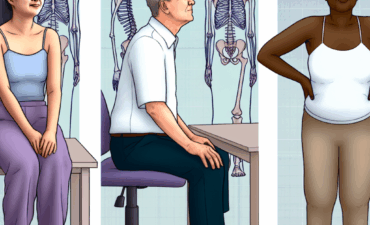
Is Muscle Soreness a Good or Bad Sign After 50? What It Really Means
Ever felt like you’ve wrestled a bear after a routine workout session? If you’re north of 50, this might be a common sensation. But here’s the million-dollar question: Is this soreness a hearty pat on the back from your muscles, thanking you for a job well done, or is it a red flag? Let’s unpack the mysteries of muscle soreness as we age, and how to tell the good from the potentially harmful.
Understanding Muscle Soreness
Definition and Overview
Muscle soreness, or Delayed Onset Muscle Soreness (DOMS), usually kicks in a day or two after your workout, peaking at around 48 hours. This type of soreness results from micro-tears in your muscle fibers, particularly caused by eccentric movements like lowering weights or running downhill.
Age-Related Changes in Muscle Response
As the years roll by, our muscles not only shrink in volume but also lose some of their pep in recovery. This means that if you’re over 50, your muscles might demand a bit more TLC after workouts. Understanding how aging affects recovery can guide your exercise routine and expectations.
Decoding the Signals – Good vs. Bad Soreness
When is Soreness Beneficial?
Mild to moderate muscle soreness is a normal response to unusual exertion and is part of an adaptation process that leads to greater stamina and strength as your muscles recover and build. This type of soreness is generally manageable and dissipates as you move and stretch your muscles.
Signs of Harmful Soreness
But it’s when soreness turns into severe, debilitating pain that lasts days and hampers your everyday movements that you should be concerned. This could be a sign of excessive muscle damage or an acute injury. It’s critical to recognize these warning signs early to prevent more serious injuries.
Enhancing Recovery – Strategies That Work
Active Recovery Techniques
Engaging in light activities such as walking or gentle stretching can enhance blood flow and help muscles repair more efficiently.
Nutritional Support
What you eat plays a crucial role in how quickly your muscles recover. Ensuring a diet rich in proteins, omega-3 fatty acids, and antioxidants is key. Consider adding:
- Lean meats or plant-based protein like beans and lentils
- Fatty fish such as salmon or mackerel
- Colorful fruits and vegetables packed with vitamins
Hydration and Sleep
Drinking plenty of fluids and getting enough rest are not just good health practices; they are part of an effective recovery plan. Water helps deliver nutrients to your muscles, while sleep supports muscle repair.
Innovative Trends
The use of recovery wearables and supplements like creatine and BCAAs has grown in popularity, helping many stay on top of their recovery game. Tailor these tools to fit your lifestyle and fitness level.
Practical Tips for Managing and Preventing Soreness
Pre-Workout Preparation
A proper warm-up prepares your muscles and joints for the stress of exercise, reducing the risk of injury and soreness.
Post-Workout Care
Similarly, cooling down and stretching after exercise can minimize soreness. Gentle stretches or yoga can help maintain muscle length and lessen tightness.
Listening to Your Body
Adjusting your exercise intensity based on how your body feels is crucial. If soreness doesn’t improve despite preventive measures, consider consulting a healthcare provider.
Conclusion
While muscle soreness can be a part of active aging, it’s essential to distinguish between the discomfort that fosters growth and the pain that signals harm. By listening to your body and adjusting your habits, you can maintain a healthy, active lifestyle well into your later years.
So, next time your muscles whisper (or shout) their post-workout tales, what will they say? Are you ready to tune in and adjust your approach to fitness based on what your body tells you? It’s never too late to rewrite your fitness story, one workout at a time.