The Role of Strength Training in Preventing Frailty Syndrome
Introduction
Imagine you’re 75 and you’ve just outlasted your teenage grandkids in an impromptu dance-off at your birthday party. They’re panting, you’re pumped – feeling more like a spry 25-year-old. While this might sound like a scene from a feel-good movie, it’s a possibility grounded in reality. As we age, frailty often seems like an inevitable shadow, but it’s one that can be held at bay with the right strategies. Enter strength training: not just a tool for athletes or bodybuilders, but a key ingredient for a vigorous and independent life in older age.
Understanding Frailty Syndrome
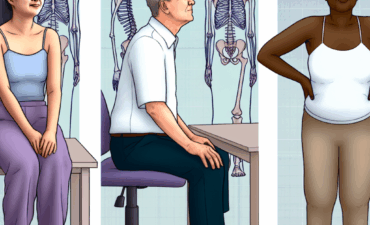
Frailty syndrome is a condition characterized by decreased strength, endurance, and physiological function, which increases an individual’s vulnerability for developing increased dependency and/or mortality. It is identified by signs such as weight loss, exhaustion, weak muscle strength, slow walking speed, and low physical activity. Not just a mere inconvenience, frailty severely impacts life quality and increases the risk of falls and injuries.
The Science Behind Muscle Loss and Aging
Muscle mass decreases with age, a phenomenon known as sarcopenia. Starting around age 30, most people lose 3-5% of their muscle mass per decade. This loss is not trivial as it plays a crucial role in weakening strength and mobility, potentially ushering in frailty if not addressed.
The Power of Strength Training
Strength training, or resistance training, isn’t just for the young or athletically inclined. It involves exercises that improve muscle strength and endurance by exerting muscles against resistance. Here’s why it’s a game-changer for aging adults:
- Building Muscle Mass: Engaging in regular strength training can reverse the effects of sarcopenia by increasing both the size and strength of muscle fibers.
- Enhancing Bone Density and Balance: Beyond muscle, strength training also bolsters bone density, crucial for preventing osteoporosis and fractures, common concerns as we age.
Research consistently shows that seniors participating in strength training can significantly improve their muscle mass and strength, enhancing their overall quality of life and reducing the risk of debilitating falls.
Tailoring Strength Training for Older Adults
It’s essential to adapt exercise routines to fit the aging body. Here are some effective, safe exercises for seniors:
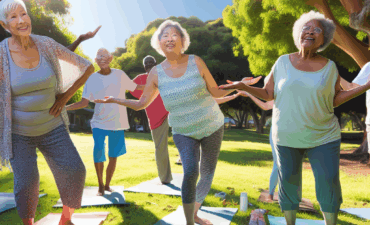
- Chair squats
- Wall push-ups
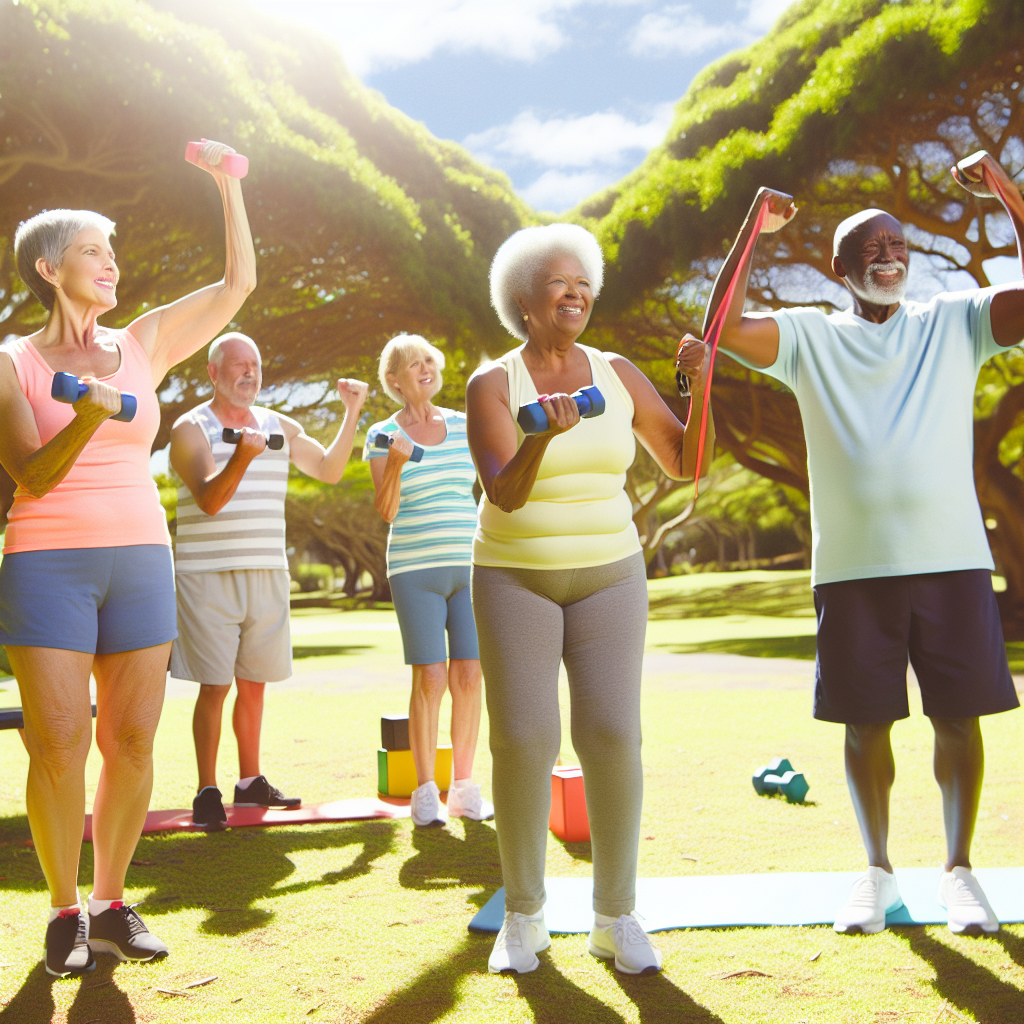
- Lightweight or band resistance exercises
Adjusting these exercises to individual needs and health conditions ensures a safe and beneficial workout, emphasizing the importance of personalized fitness programs.
Psychological and Cognitive Benefits
Strength training transcends physical health, offering significant mental health benefits. It can lessen symptoms of depression and anxiety and is linked to improved cognitive function, keeping not just the body but also the mind sharper.
Integrating Nutrition and Recovery
Optimal nutrition is vital in maximizing the benefits of strength training. A diet rich in proteins and essential nutrients helps repair and build muscle tissue, while proper hydration and sleep are crucial for recovery and overall well-being.
Overcoming Challenges
Initiating and maintaining an exercise routine can be daunting, especially for seniors. Here are several motivational tips:
- Set realistic goals and celebrate progress.
- Focus on maintaining proper form to prevent injuries.
- Consider engaging a trainer or joining a group class specifically designed for older adults.
Community and Policy Support
Local communities and health systems can significantly bolster senior fitness. Promoting classes in community centers and urging healthcare providers to prescribe physical activity can make a substantial impact.
Conclusion
Strength training is not reserved for the young but is a potent remedy against aging’s toll, enabling seniors to maintain independence and vitality. By integrating strength training into your lifestyle, you can redefine the boundaries of aging and enhance both your physical and mental health. So, why not defy the stereotypes and embrace a stronger, healthier life?
Are you ready to challenge the norms of aging and embrace strength training? What’s one small step you can take today towards a stronger tomorrow?