Breathing New Life: Exploring Intermittent Hypoxia Training for Aging Vitality
Introduction
Imagine if there was a way to trick your body into thinking it’s younger than it is. Not through a mystical elixir but through something as simple as the way you breathe. Welcome to the world of Intermittent Hypoxia Training (IHT), a fascinating approach that could potentially turn back the clock on aging. By intermittently reducing oxygen intake, IHT prompts your body to adapt in ways that can improve health and vitality. Intrigued? Let’s dive into how this lesser-known training method could breathe new life into your years.
What is Intermittent Hypoxia Training?
Intermittent Hypoxia Training might sound like an elite military exercise, but it’s actually a scientific method where you expose yourself to short bursts of low oxygen levels, interspersed with periods breathing normal air. This practice leverages the body’s robust adaptive systems, enhancing everything from your muscles’ efficiency in using oxygen to how your heart pumps. It’s like a workout for your cellular functions without the sweat!
The Science of IHT and Aging
Why should aging be a downhill journey? Research suggests it doesn’t have to be. IHT offers promising benefits for the aging population:
- Boosts Cardiovascular Health: IHT has been shown to enhance how efficiently your body uses oxygen, potentially easing the workload on your heart.
- Enhances Muscle Function: It can also improve muscle performance, making them more capable of enduring long activities with less fatigue.
- Sharpens Cognitive Function: Some studies indicate that IHT could keep your mind as agile as it was in your youth.
These benefits are primarily due to increased levels of natural chemicals like erythropoietin (EPO) during and after hypoxic episodes, which help improve the blood’s ability to transport oxygen.
Practical Applications and Techniques
Curious about trying IHT? Here’s how you can integrate it into your life:
- Hypoxic Tents or Rooms: These specialized environments simulate low-oxygen conditions and can be used while you’re relaxing or sleeping.
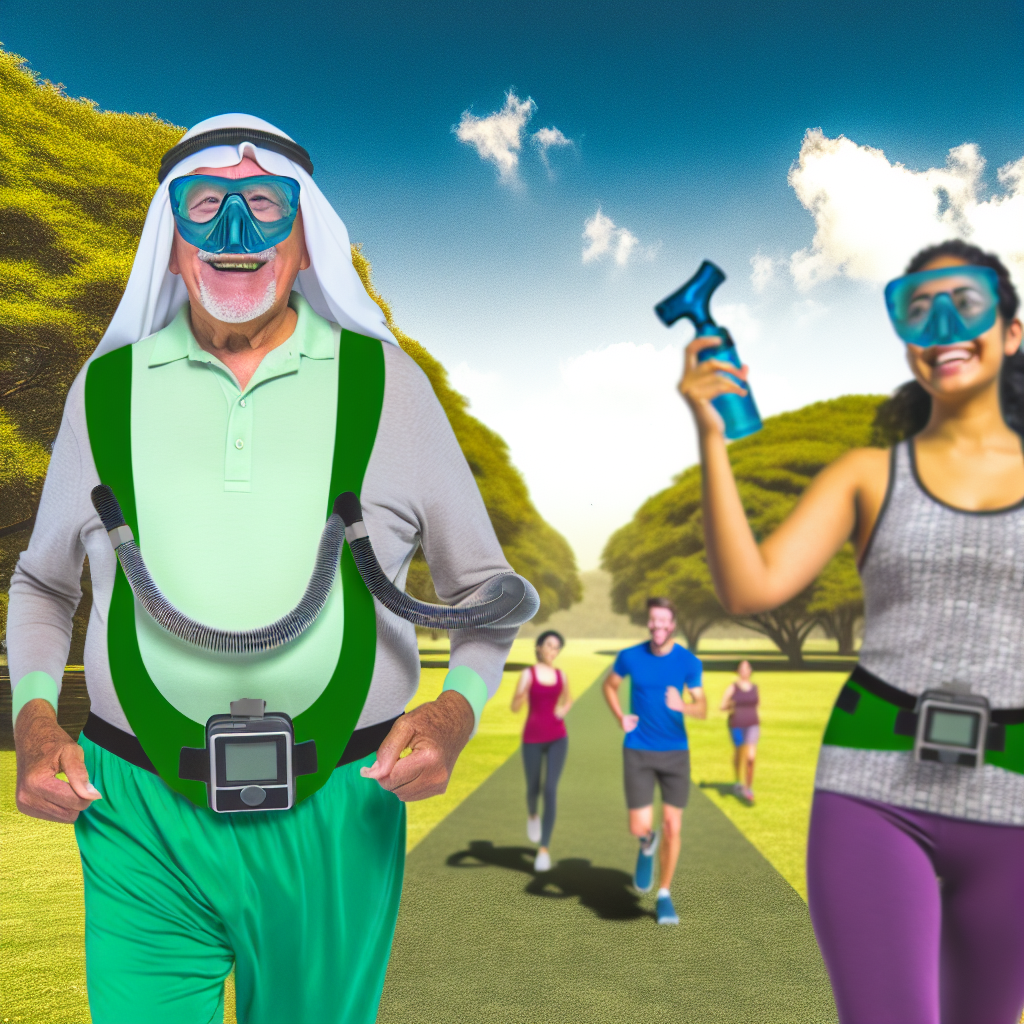
- Breathing Masks: Linked to machines that customize oxygen levels, these masks can be used during light activities or rest.
- Guidelines for Use: Start with short sessions of a few minutes each, and increase gradually. Consistency is key, so aim for regular sessions throughout the week.
Safety First: Understanding the Risks
Despite the benefits, IHT isn’t free from risks. It’s important to tread carefully:
- Health Conditions: Those with cardiovascular or respiratory issues should consult a doctor before starting IHT.
- Body Response Monitoring: Keep an eye on how your body reacts during the training to prevent negative effects.
Approach IHT with caution and always prioritize safety, especially when you’re just starting out.
Current Trends and Future Potentials
As more people seek out innovative wellness methods, IHT is gaining traction not just among athletes but also among those interested in proactive aging. With ongoing research, the future of IHT looks bright, potentially offering new ways to enhance longevity and quality of life.
Conclusion: Is IHT Right for You?
Intermittent Hypoxia Training could be a groundbreaking addition to your health regime, promising enhanced physical and mental function. But, as with any wellness practice, it’s not universally suitable. Would you consider trying IHT as part of your strategy to age well? Consult with your doctor, consider your health needs, and perhaps give it a try. After all, sometimes, a little less (oxygen) can bring a lot more (health benefits).
How do you feel about using such unconventional methods to maintain and enhance your health? Could breathing less be a breath of fresh air for your wellness routine? Share your thoughts and let’s discuss the breath-taking possibilities!