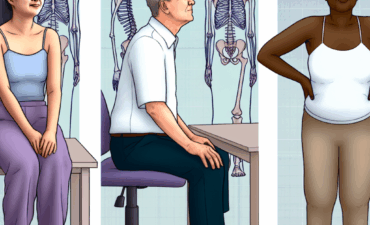
Why Creatine Isn’t Just for Bodybuilders: Unlocking Brain, Bone, and Energy Benefits After 40
Imagine a buff young athlete guzzling a creatine shake, muscles bulging. Now, picture your 60-year-old aunt doing the same, not for her biceps but for her brainpower. Yes, creatine—the supplement synonymous with weight rooms and protein bars—is stepping out of the gym and into the lives of those over 40, promising more than just muscle gains.
What is Creatine?
Creatine is a compound that helps muscles produce energy during high-intensity exercise, and it’s naturally produced by the body. While it’s famously taken by athletes to boost their performance, its benefits extend well beyond the gym, aiding cognitive functions, bone strength, and energy levels, particularly as natural production wanes with age.
Where does creatine come from? Besides being synthesized in the liver, kidneys, and pancreas, creatine is found in foods like red meat and seafood. Supplements can significantly boost your levels, which is especially helpful as your body’s natural ability to produce it declines with age.
Let’s bust a myth: creatine is not just for aspiring Schwarzeneggers. It has a host of benefits that can help you stay sharp and strong well into your later years.
Creatine and Brain Health
The golden years should be just that—golden. Keeping your mind sharp is a big part of that, and creatine has shown promising potential in enhancing cognitive function.
- Research Highlights: Studies suggest that creatine supplementation can help combat fatigue and enhance memory in older adults.
- How does it work? Creatine contributes to energy metabolism in brain cells, helping maintain function and mental acuity.
Creatine and Bone Health
As we age, our bones can become more fragile. Here’s where creatine comes in—not only does it help build muscles, but it can also make your bones tougher.
- Research Insights: Creatine aids in improving bone density by enhancing the function of bone-building cells, a boon for anyone concerned about osteoporosis or fractures as they age.
- Why it matters: Stronger bones mean a lower risk of breaks and falls, ensuring more active, pain-free years.
Creatine for Enhanced Energy Metabolism
Fighting the mid-afternoon slump gets harder as we age, but it’s not an inevitable part of aging. Creatine can give your cellular engines just the boost they need.
Role of Creatine: By supporting the production of ATP, the energy currency of your cells, creatine helps keep your energy levels up, thereby enhancing your ability to perform daily tasks and enjoy life’s pleasures.
Integrating Creatine Into a Healthy Aging Plan
Ready to add creatine to your wellness toolkit but not sure how to start? Here’s how to do it safely:
- Dosage and Safety: Begin with a small dose and always consult your healthcare provider, especially if you have pre-existing conditions.
- Lifestyle Synergy: For the best results, combine creatine supplementation with a balanced diet, regular exercise, and adequate hydration.
Common Concerns: Yes, creatine is safe for most people when used responsibly. Regular check-ups will help you enjoy the benefits without any risks.
Conclusion
Far from being just the secret weapon of bodybuilders, creatine offers significant benefits for brain function, bone health, and energy levels, making it a powerhouse supplement for those over 40.
Think about it: How might your life improve if you had more energy, a sharper mind, and stronger bones? Creatine isn’t just about adding years to your life—it’s about adding life to your years.
Are you ready to take your health to the next level? Talk to your healthcare provider about incorporating creatine into your routine and embrace a fuller, more vibrant future today!