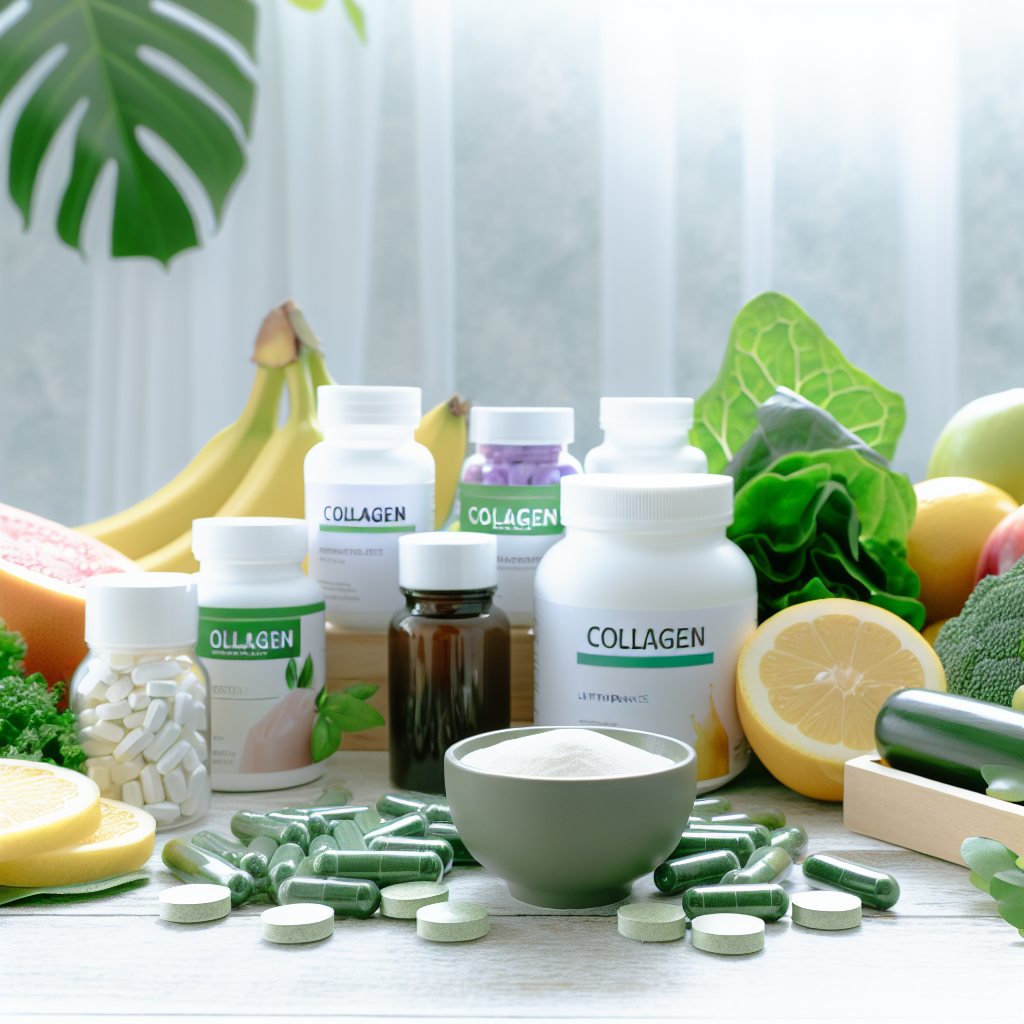
The Truth About Collagen Supplements: Do They Actually Work?
Imagine if you could sip your way to youthful skin and springy joints. That’s the promise of collagen supplements, which have exploded in popularity as the go-to solution for aging gracefully. But how much truth is there to the claims that they can rewind the clock on aging? In this deep dive, we’ll explore the scientific verdict on collagen supplements, uncover natural ways to boost your body’s production, and help you decide whether to join the collagen craze.
What is Collagen and Why Do We Need It?
Think of collagen as the glue that holds your body together. This crucial protein is responsible for giving our skin its elasticity and our joints their mobility. However, just like a beloved old chair, collagen breaks down over time. By our mid-20s, the body starts losing collagen at a rate of about 1% per year, leading to those all-too-familiar signs of aging: wrinkles, sagging, and creaking joints.
The Rise of Collagen Supplements
With age-defying benefits on the line, collagen supplements have quickly become a staple in the wellness toolkit, promising everything from glowing skin to joint health. But before you dash to the nearest health store, let’s take a closer look at whether these supplements live up to the hype.
Do Collagen Supplements Really Work? Science Weighs In
It turns out, collagen supplements do more than just make for trendy Instagram posts. Studies have shown that taking collagen can improve skin elasticity and moisture and even reduce wrinkles. While they’re not a fountain of youth, these supplements can help slow the tick of the biological clock, especially for your skin and joints.
- Improvement in skin hydration and elasticity
- Reduction in joint pain
- Potential benefits for bone density
Boosting Collagen Naturally: Alternatives to Supplements
If pills and powders aren’t your cup of tea, fear not! You can also ramp up collagen production naturally. Eating foods rich in Vitamin C, zinc, and copper—think citrus fruits, nuts, and seafood—can help your body boost its own collagen. Also, lifestyle choices like wearing sunscreen, staying hydrated, and avoiding cigarettes play a massive role in keeping your collagen bank full.
Choosing the Right Collagen Supplement
If you’re leaning towards supplements, remember: not all collagen is created equal. Opt for hydrolyzed collagen, which is easier for the body to absorb. Be sure to check the source—marine collagen is often more effective than other types. And always look for products with third-party certification to ensure you’re getting what you pay for.
Safety and Side Effects
Generally, collagen supplements are safe, but they can cause digestive side effects for some. It’s also crucial for individuals with allergies to check the supplement’s source to avoid adverse reactions.
Conclusion: To Supplement or Not to Supplement?
Collagen supplements can be a valuable part of your anti-aging arsenal, provided they’re used in conjunction with a healthy lifestyle. They’re not magic, but they can be effective. Consider your personal health needs, consult with a healthcare provider, and think about whether these supplements could be the secret ingredient to your youth-preserving recipe.
What’s Your Take?
So, have you tried collagen supplements? Did they sprinkle a little extra youth into your step, or were they just another addition to your morning routine? Or perhaps you’ve found natural ways to boost your collagen levels? Share your stories or tips in the comments below—let’s navigate the fountain of youth together!