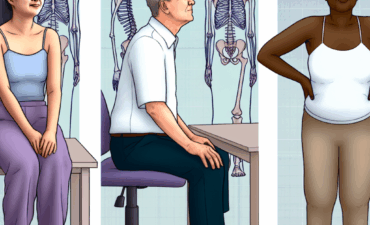
Understanding Osteopenia: Early Signs and Strategies for Bone Health
Have you ever found yourself wincing from a slight tweak in your back or staring bewildered at a new bruise and wondered, “Is this normal?” Aging might bring wisdom, but it also comes with its fair share of health mysteries—like osteopenia. This condition, a precursor to osteoporosis, signals lower than normal bone density and serves as a crucial wake-up call to pay attention to your bones. Let’s dive into understanding osteopenia, spotting its subtle warnings, and fortifying your skeletal strength as you age.
Decoding Osteopenia: What You Need to Know
Osteopenia isn’t as severe as osteoporosis, but it’s a critical indicator that your bones need attention. Think of it as a yellow light, signaling caution before the more alarming red light of osteoporosis. Millions around the globe experience this decline in bone density, many without realizing it until a minor incident leads to a surprising fracture.
Spotting the Early Signs of Bone Loss
The early signs of osteopenia can be as subtle as experiencing a decrease in grip strength—yes, it’s not just that new jar design that’s tough to open—or finding yourself more prone to “how did that happen?” moments with minor injuries. Be on the lookout for receding gums and brittle nails—they’re not merely cosmetic issues but could be clues to your bone health.
If these symptoms sound familiar, or if you have risk factors for bone density loss, it’s wise to discuss them with your healthcare provider.
Risk Factors Contributing to Osteopenia
Several factors can accelerate bone density loss: Genetic predispositions, lifestyle choices such as smoking and excessive alcohol consumption, poor nutrition, and hormonal changes, especially in postmenopausal women. These risks underscore the importance of proactive bone health management.
Prevention Strategies to Fortify Your Bones
Eating a balanced diet rich in calcium and vitamin D and engaging in regular physical activity are foundational strategies for preventing osteopenia. Include calcium-rich foods like dairy, leafy greens, and fortified products in your diet and aim for plenty of sunlight exposure for vitamin D. Exercises that force you to work against gravity—such as walking, jogging, and lifting weights—are particularly effective in building bone density.
Additionally, lifestyle modifications such as quitting smoking and reducing alcohol intake can significantly improve bone health. Managing stress and ensuring sufficient sleep each night also play a crucial role in maintaining strong bones.
Managing and Recovering from Osteopenia
For those already diagnosed with osteopenia, there are several management strategies that can help slow the progression of bone density loss. Medications such as bisphosphonates, dietary supplements like Vitamin K2, and hormone replacement therapy for postmenopausal women can all be effective, depending on individual circumstances.
Regular screenings and bone density tests are essential for monitoring bone health and adjusting treatment plans as necessary.
Embracing the Latest in Bone Health
Keeping abreast of the latest research and technological advancements can provide additional tools for managing bone health. From new supplements to innovative exercise regimens, staying informed is key.
Real Life Insights: Stories from the Front Lines
Hearing from others who are navigating the challenges of osteopenia can offer both comfort and practical advice. Personal stories and expert insights not only enrich our understanding but also remind us that we are not alone in this journey.
Conclusion
Understanding and addressing osteopenia is crucial not just for preventing fractures but for ensuring a vibrant, active future. It’s never too early or too late to start taking better care of your bones—after all, they’re the only ones you’ve got.
Consider your current lifestyle: Could your bones be crying out for more attention? Reflect on this question and consider having a conversation with your healthcare provider. It might just be the most important discussion you have this year. How will you commit to better bone health today?