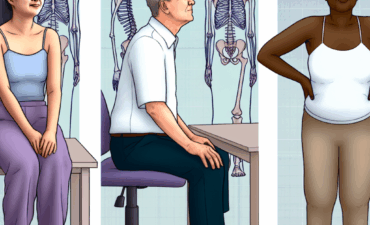
Unlocking the Secrets of Sleep: How Your Sleep Position Influences Long-Term Health
Have you ever woken up feeling more like you’ve battled through the night rather than rested? Or on other mornings, felt like you’ve been on a spa retreat in your sleep? Believe it or not, the secret might just lie in how you curl up or stretch out under the covers. Today, let’s explore how the seemingly simple act of sleeping can significantly impact our health, particularly focusing on spine, jaw, and circulation as we age. Ready to turn your sleep into a nightly health boost?
The Science of Sleep and Spine Health
Why Your Spine Loves (or Hates) Your Sleep Position
Your spine, a vital yet often neglected part of your health regime, thrives on proper alignment during sleep. Comprising vertebrae, discs, and nerves, the spine’s alignment is crucial for overall well-being. Ensuring optimal sleep alignment supports the spine adequately, maintaining its natural curve and preventing discomfort.
Research indicates that sleeping on your back often promotes the best spinal health as it evenly distributes weight and aligns internal organs. However, for those who snore or have sleep apnea, side sleeping is a beneficial alternative. Stomach sleepers, take note: this position may add stress on your back and neck!
Jaw Considerations While You Snooze
From TMJ to Beauty Sleep: How Your Jaw Handles the Night
Your jaw’s position during sleep not only influences the quality of your slumber but also affects your overall jaw health. Incorrect jaw alignment can strain the temporomandibular joint (TMJ), causing pain and dysfunction. Side sleeping with a supportive pillow can help alleviate pressure on the jaw, beneficial for those suffering from TMJ disorders or bruxism (teeth grinding).
Moreover, aligning the head with the spine using a suitable pillow can prevent the jaw from falling into a stress-inducing position, making your sleep both restful and beneficial for your jaw muscles.
Circulatory System at Night
Keep the Blood Flowing: Sleep Positions for Optimal Circulation
While lying down, your circulatory system enjoys a break from battling gravity, but sleep position still plays a significant role. Sleeping on your left side can enhance circulation by aiding the heart’s pumping action. Back sleeping is also favorable for venous return but can pose challenges for those with existing heart conditions. Always consult with a healthcare provider to tailor your sleep position to support circulatory health without compromising other aspects of your well-being.
Age-Specific Advice
Tailoring Your Sleep Position Through the Decades
As we age, our bodies experience changes that can influence preferred sleep positions. In your 40s and beyond, increased stiffness or joint pain may become noticeable. Adjusting your sleep position can help manage these symptoms. Side sleeping with a pillow between your knees can align your hips and reduce stress on your lower back.
For individuals in their 60s and older, mobility issues might make back sleeping more comfortable and safer, potentially with the help of an adjustable bed base to fine-tune alignment.
Practical Tips and Tricks
From Theory to Practice: Enhancing Your Nightly Repose
- Choose the Right Mattress: Opt for one that supports your preferred sleeping position while offering adequate support for your spine.
- Pillow Talk: Invest in a pillow that complements your sleeping style—thin pillows for back sleepers, thicker ones for side sleepers.
- Routine Matters: Establish a bedtime routine that includes stretches or relaxation techniques to prepare your body for a night of healthy sleep.
Conclusion
Understanding the link between sleep positions and health is crucial, especially as we age. By tailoring our sleep environment and positions, we can not only improve the quality of our sleep but our overall health as well. As you tuck in tonight, think about this: Is your sleep position treating your body like royalty or leaving it in coach?
Reflect on your current sleep practices tonight. What small adjustments can you make for a healthier, more vibrant tomorrow? Remember, it’s never too late to adjust your sleep for the better!