How to Stay Flexible in Your 60s and Beyond
Remember when tying your shoes or snagging that novel from the top shelf was a no-brainer? Those were the days! But as we sail into our 60s and beyond, our bodies tend to throw a few curveballs at our flexibility. Fear not—though we might not all be aiming to rival a contortionist, maintaining a healthy range of motion can keep life’s daily dances smooth and enjoyable. Let’s explore how keeping limber can become your secret weapon in enjoying your golden years.
Understanding Flexibility in Aging
The Science of Stiffening Up
Our muscles and joints aren’t quite what they used to be in our jazzier years. Loss of muscle mass, decreased elasticity, and a drop in joint fluid are all part of the package deal of aging. These changes can make reaching, bending, or twisting feel like a chore.
Why Flexibility Matters
Keeping flexible helps reduce the risk of falls, improves posture, decreases muscle aches, and enhances circulation. Regular stretching is like a fountain of youth for your muscles and joints, keeping them happy and healthy as you age.
Types of Stretching
Static Stretching Demystified
Think of static stretching as your chill-out time where you hold a stretch and let the tension melt away. It’s great for winding down after a walk or workout and can help keep muscle stiffness at bay.
The Dynamic Way to Stretch
Dynamic stretching is all about movement. It prepares your muscles for the activities ahead, making it a perfect prelude to any physical endeavor. It’s like giving your muscles a heads up that it’s showtime!
Fascia: The Hidden Key to Mobility
What is Fascia and Why Does It Matter?
Your body’s fascia is like an intricate web holding everything together. As we age, this web can get a bit gummy, restricting movement and causing discomfort.
Keeping Your Fascia Friendly
Myofascial release techniques, like using a foam roller or engaging in gentle stretching, can keep your fascia from turning into an inflexible shield. This maintenance can ease movements and diminish pain.
Integrating Flexibility Into Your Life
Daily Habits for Long-term Flexibility
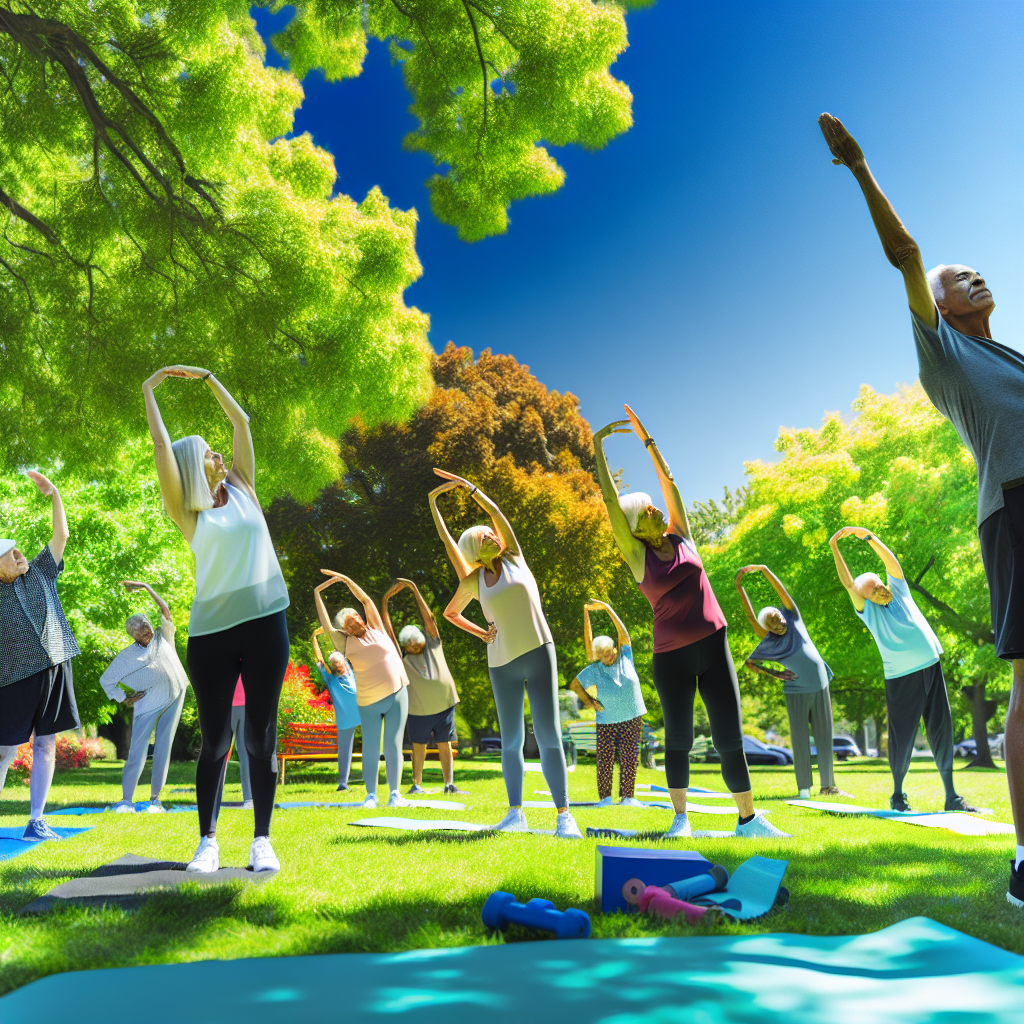
Integrating flexibility exercises into your daily life can be seamless and enjoyable. From morning stretches to yoga classes, every bit helps in maintaining mobility and independence.
Overcoming Common Barriers
Too busy or feeling too old to stretch? These thoughts are just hurdles to leap over. Even a few minutes a day can lead to improvements, so start small and build up.
Conclusion
Maintaining flexibility might not make you the life of a gymnastics party, but it can profoundly impact your quality of life. It’s all about preserving your independence, easing pain, and maybe even showing off a little at family gatherings.
Think about what more flexibility could bring to your life. Could it mean playing on the floor with your grandkids, gardening without the groans, or something as simple as picking up a dropped pen without a second thought? What first step will you take today to reach these goals?