How to Maintain Strong Bones After 40: Osteoporosis Prevention Tips
Imagine your bones as the framework of a house, constantly undergoing renovation. As we age, the construction crew (your body’s bone-building cells) starts taking more coffee breaks, slowing down the work rate. By the time you hit 40, this slowdown can lead to osteoporosis, making your bones less like sturdy steel beams and more like brittle twigs. But fear not! You can keep your skeletal structure strong with the right lifestyle tweaks and habits. Let’s nail down some strategies to keep those bones robust and resilient.
Understanding Bone Health and Osteoporosis
What Happens to Our Bones as We Age?
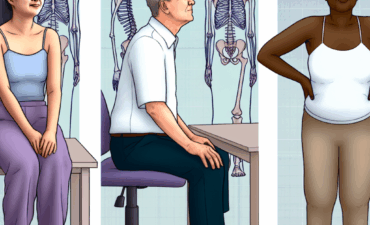
As we get older, our bones lose density and strength, a bit like how classic rock fades out on the radio charts. Peak bone mass is achieved in your late twenties, and from your forties onward, you might lose more bone than you form. This sets the stage for osteoporosis, where your bones become as fragile as antique porcelain.
Key Factors That Affect Bone Density
Bone health is influenced by a mix of hormones, calcium absorption, and genetics. Your lifestyle choices can also significantly impact these factors, either supporting or undermining your bone density.
Nutritional Building Blocks for Strong Bones
Calcium – Your Bone’s Best Friend
- Adults over 50 need about 1,200 mg of calcium per day.
- Top sources include dairy products, almonds, broccoli, and fortified plant-based milks.
The Sunshine Vitamin – Vitamin D
Vitamin D is crucial as it helps your body absorb calcium. Aim for 800 to 1,000 IU daily from sunlight, supplements, or vitamin-rich foods like salmon and fortified cereals.
Supporting Players: Magnesium, Vitamin K, and Protein
Magnesium helps activate vitamin D, and Vitamin K aids in modifying bone matrix proteins. Protein is essential for bone repair and should be sourced from lean meats, beans, and nuts.
The Role of Physical Activity in Bone Health
Weight-Bearing Exercises for Bone Strength
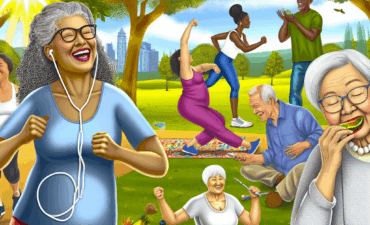
- Engaging in activities like walking, jogging, and dancing encourages your body to deposit new bone tissue.
- Strength training twice a week can significantly enhance bone density.
Balance and Flexibility – Preventing Falls
Improving balance and flexibility through yoga or tai chi can dramatically reduce your fall risk, which is vital for protecting your bones as you age.
Lifestyle Adjustments for Bone Health
Smoking and Alcohol – The Silent Bone Thieves
Smoking and excessive alcohol consumption can accelerate bone loss. Dropping these habits can be a game-changer for your bone health.
The Weight-Bone Connection
Maintaining a healthy weight helps keep your bones in check. Being underweight or overweight can tip the scales against your bone health.
Monitoring Bone Health
A bone density test can serve as a crucial diagnostic tool if you’re at risk of osteoporosis, acting as a clarion call to take preventative action.
Beyond Diet and Exercise – Understanding Medical Options
When Supplements and Medications Become Necessary
If diet and exercise aren’t sufficient, supplements or medications might be necessary. Always consult with a healthcare provider before starting any new regimen.
Conclusion
Whether you’re just stepping into your forties or navigating the nuances of your sixties, it’s never too late to focus on bone health. The strategies we’ve discussed are not just preventive measures; they’re ways to enhance your quality of life as you age.
Ready to take a stand against osteoporosis? What’s one change you can make today to start strengthening your bones for tomorrow?