Welcome to Your Brain’s Nightly Clean-Up Crew: The Glymphatic System
What if I told you that each night, while you’re lost in dreams about flying or showing up late for an exam, your brain is busy with a cleanup session that would put spring cleaning to shame? This isn’t just about resting; it’s about rebooting. This hero of the night is none other than your glymphatic system, a critical but often overlooked component of brain health, particularly as we age.
The Glymphatic System Unveiled
Imagine a network of tiny waste collectors working within your brain, and you’ve got a good picture of the glymphatic system. It uses cerebrospinal fluid (CSF) to flush out the brain’s waste into the bloodstream, much like a city’s waste management system uses trucks to transport trash to the dump. This process is crucial for keeping the brain healthy and functioning optimally.
Sleep’s Crucial Role in Glymphatic Function
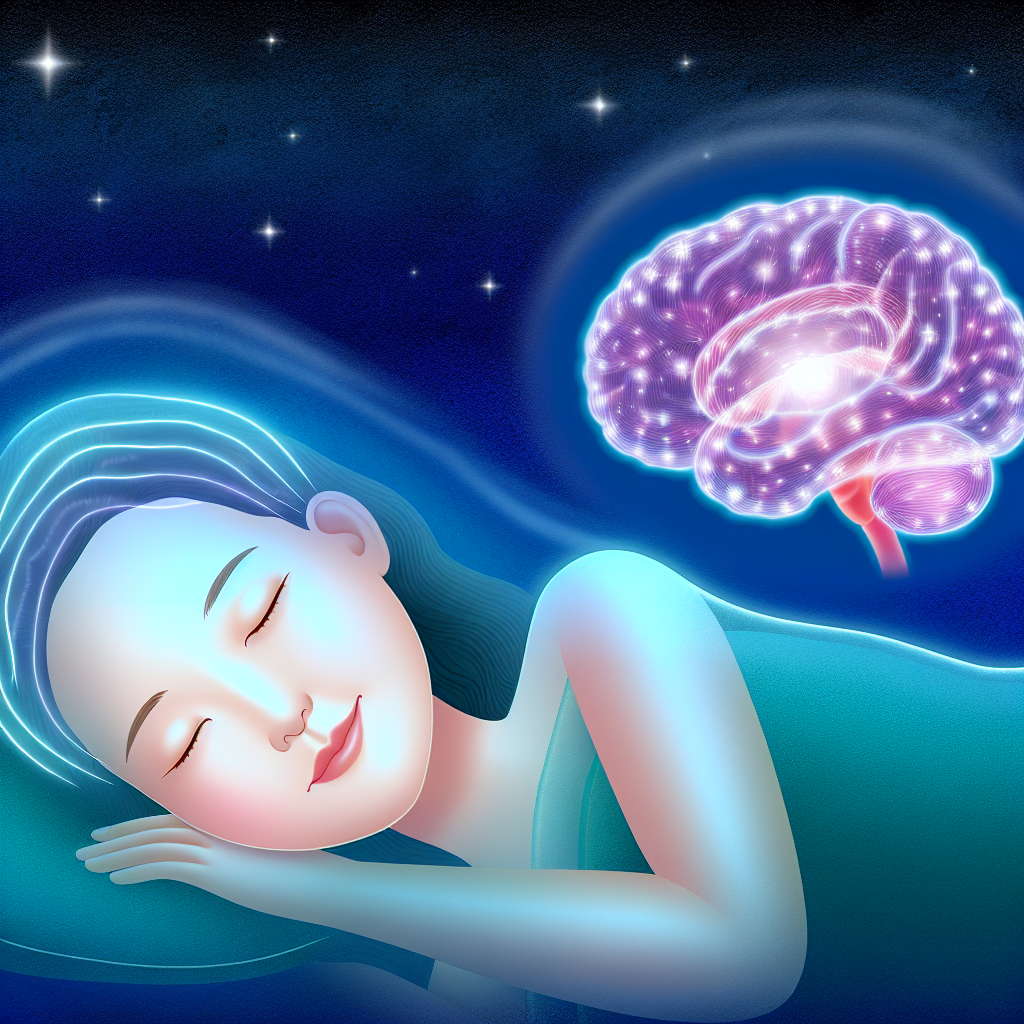
It’s during the deep, restorative stages of sleep that the glymphatic system is most active. This means that quality sleep isn’t just about feeling rested—it’s about giving your brain the chance to cleanse itself of harmful proteins, like beta-amyloid, which is associated with Alzheimer’s disease. Essentially, a good night’s sleep acts as a mini detox for your brain.
Glymphatic System and Aging: Connecting the Dots
As we grow older, our sleep patterns can change, often resulting in shorter periods of deep sleep. This reduction can impact the efficiency of the glymphatic system, potentially leading to an accumulation of toxic waste products in the brain. Such buildup is linked to an increased risk of cognitive decline and conditions like Alzheimer’s. Therefore, enhancing glymphatic function is a vital strategy for aging gracefully.
Lifestyle Factors Influencing Glymphatic Health
The good news is that certain lifestyle choices can support the health of your glymphatic system:
- Diet: Consuming foods rich in omega-3 fatty acids, like fish and nuts, supports membrane health and may facilitate the effective flow of CSF.
- Exercise: Engaging in regular physical activity not only keeps you fit but also boosts your brain’s waste disposal system, helping clear out unwanted byproducts more efficiently.
- Sleep Hygiene: Good sleep hygiene—such as sticking to a sleep schedule, optimizing your sleep environment, and avoiding stimulants before bed—can greatly enhance the quality of your sleep and, in turn, your glymphatic function.
- Sleep Positions: Some studies suggest that sleeping on your side could improve the system’s efficiency, an easy tweak for potentially profound benefits.
Innovations and Future Directions in Glymphatic Research
The field of glymphatic research is dynamic and evolving, with new studies and potential treatments on the horizon that could revolutionize our approach to brain health. By staying informed about these developments, we can better understand and implement strategies to support our cognitive functions as we age.
Conclusion
So, as you settle down tonight and every night, remember that sleep is more than just a passive state. It’s an active, essential process of renewal and cleansing for your brain. By supporting our glymphatic system, we not only enhance our brain function but also our overall quality of life as we age.
Think about your nightly routine: What steps can you take to ensure your brain’s janitors are getting all the help they need to keep you at your sharpest and healthiest?