Should You Worry About AGEs in Food?
What if the fountain of youth wasn’t a mystical water source but was hiding in plain sight in your kitchen? We’re not talking about a secret fruit or a magical spice but about something much more common and controllable: the way you cook your food. Enter the world of Advanced Glycation End-products (AGEs) – molecules that might be speeding up your aging process more than you’d like. This article peels back the layers on AGEs, revealing how they impact your health and how simple changes in your diet can slow down their effects.
Unveiling the AGEs
What are AGEs and Why Should You Care?
Advanced Glycation End-products (AGEs) are complex molecules formed when protein or fat combine with sugar in the bloodstream. This can happen within the body or through the foods we consume. The link between AGEs and various age-related diseases such as diabetes, heart disease, and Alzheimer’s is well-documented. Understanding AGEs is crucial for anyone interested in maintaining their health as they age.
The Culprits – High AGE Foods
Identifying AGE-Rich Foods
Some of our favorite culinary delights are, unfortunately, also rich in AGEs:
- Grilled meats
- Fried foods
- Processed snacks
The way food is cooked can significantly affect its AGE content. High-temperature cooking methods such as grilling and frying increase AGE formation, while methods like steaming and boiling are much gentler on your food and your body.
The Impact of AGEs on Your Body
How AGEs Affect Health and Longevity
When it comes to your body, AGEs are like unwanted guests at a party; they cause trouble and leave a mess behind in the form of oxidative stress and inflammation. This not only accelerates the aging process but also ups the ante for chronic diseases. Reducing your AGE intake can help keep your cellular functions in better shape.
Turning Down the Heat – Minimizing AGE Intake
Strategies to Reduce AGEs in Your Diet
Fortunately, you’re not powerless in the face of AGEs. Here are some effective strategies to reduce their intake:
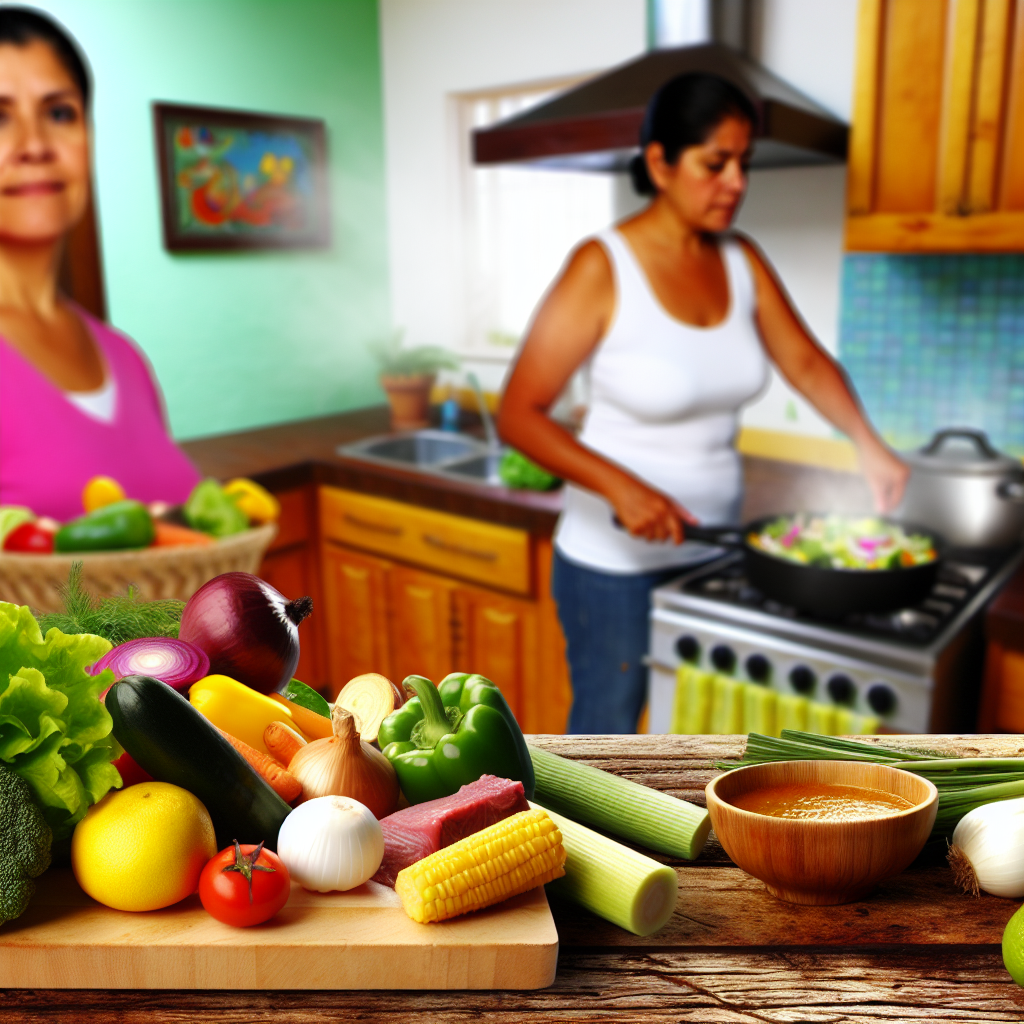
- Choose moist heat cooking methods: Techniques like steaming or poaching can significantly reduce AGE production.
- Use marinades: Acidic marinades such as those containing lemon juice or vinegar can help lower AGE formation during cooking.
- Incorporate more raw foods: Fresh fruits and vegetables are not only low in AGEs but are full of antioxidants that help counteract the effects of AGEs in the body.
Bringing It All Together
Making Practical Changes for Healthier Aging
Understanding the role of AGEs in aging and disease can be a game-changer for your health. By adjusting how you cook and what you eat, you can take control of your AGE intake and potentially enhance your healthspan. It’s about making smarter choices, not sweeping diet overhauls.
Conclusion
With a few tweaks to your cooking habits and meal choices, you can significantly reduce your body’s AGE burden. These changes might seem small, but they can have a profound impact on your health and longevity. So, as you plan your next meal, ask yourself: How can I cook this in a way that benefits my body’s long-term well-being? Isn’t it time to turn down the heat on AGEs and turn up the dial on a healthier, more vibrant you?