Longevity Lessons from Extreme Climbers: Scaling New Heights in Healthy Aging
There you are, dangling from the edge of a cliff. Below, the world sprawls wide and wild, and above—the endless sky. Your muscles scream and your lungs burn. Oh, and you’re over 60. Welcome to the world of extreme climbing, where age is just another number, and the peak is always within reach. This isn’t just about climbing; it’s about unlocking the secrets to a longer, healthier life, inspired by those who defy age with every ascent.
The Physiological Powerhouse
Aerobic and Anaerobic Benefits
Rock climbing is a supreme form of exercise, demanding both aerobic endurance and anaerobic strength. This combination helps maintain heart health and muscle tone, crucial as we age. Integrating both forms of exercise can significantly reduce the risk of chronic diseases such as cardiovascular disease and type 2 diabetes.
Bone Strength and Joint Health
Climbing is a heavyweight when it comes to building bone density. The activity is a practical, natural method to combat osteoporosis, a common concern as we age. Regular climbers often experience better joint health and bone density, thanks to the physical demands of pulling against gravity.
Neurological Nimbleness
The mental aspect of climbing is as challenging as the physical. Each climb is a puzzle, demanding focus, strategy, and mental agility—keeping the brain as fit as the body. Engaging regularly in such complex tasks can help preserve cognitive function and stave off the mental decline often associated with aging.
Psychological Peaks
Stress Reduction and Mental Health
Climbing transcends physical activity; it’s a form of moving meditation. The focus required can significantly reduce stress, promoting better overall mental health and reducing the risk associated with prolonged stress exposure.
Resilience and Motivation
The grit required to climb mountains builds mental resilience. Older climbers show incredible motivation and resilience, traits that equip them to better manage life’s challenges. The mental robustness developed through climbing is invaluable as we age.
Lifestyle Lessons
Nutrition and Hydration
Climbers’ diets are tailored to fight inflammation and balance energy, with a focus on hydration—lessons we can all benefit from. Adopting similar nutritional strategies can enhance anyone’s health, providing vitality and longevity.
Sleep and Recovery
Recovery is paramount in climbing, with sleep being the foundation. Good sleep enhances physical recovery, cognitive function, and emotional stability, aspects that become even more crucial as we age.
Community and Social Engagement
The climbing community is tight-knit, providing emotional and motivational support. For anyone, especially aging individuals, maintaining strong social connections is critical for mental and physical health.
Technology and Trends
Thanks to advancements in gear and training, climbing is now more accessible than ever, including for the senior demographic. This inclusivity encourages people of all ages to take up the sport, promoting physical and mental health.
Climbing Toward a Healthier Future
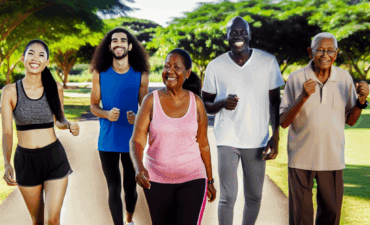
Extreme climbers teach us that it’s not just about reaching the top but about embracing the journey. Their lifestyle—intense physical activity, sharp mental acuity, and strong community ties—provides a blueprint for aging with grace and vigor. Whether scaling walls or walking through the park, we can all take a page from their book to enhance our own lives.
As you reflect on your own journey to a healthier, fuller life, ask yourself: What climber-inspired habit could you adopt starting today to elevate your health and happiness?