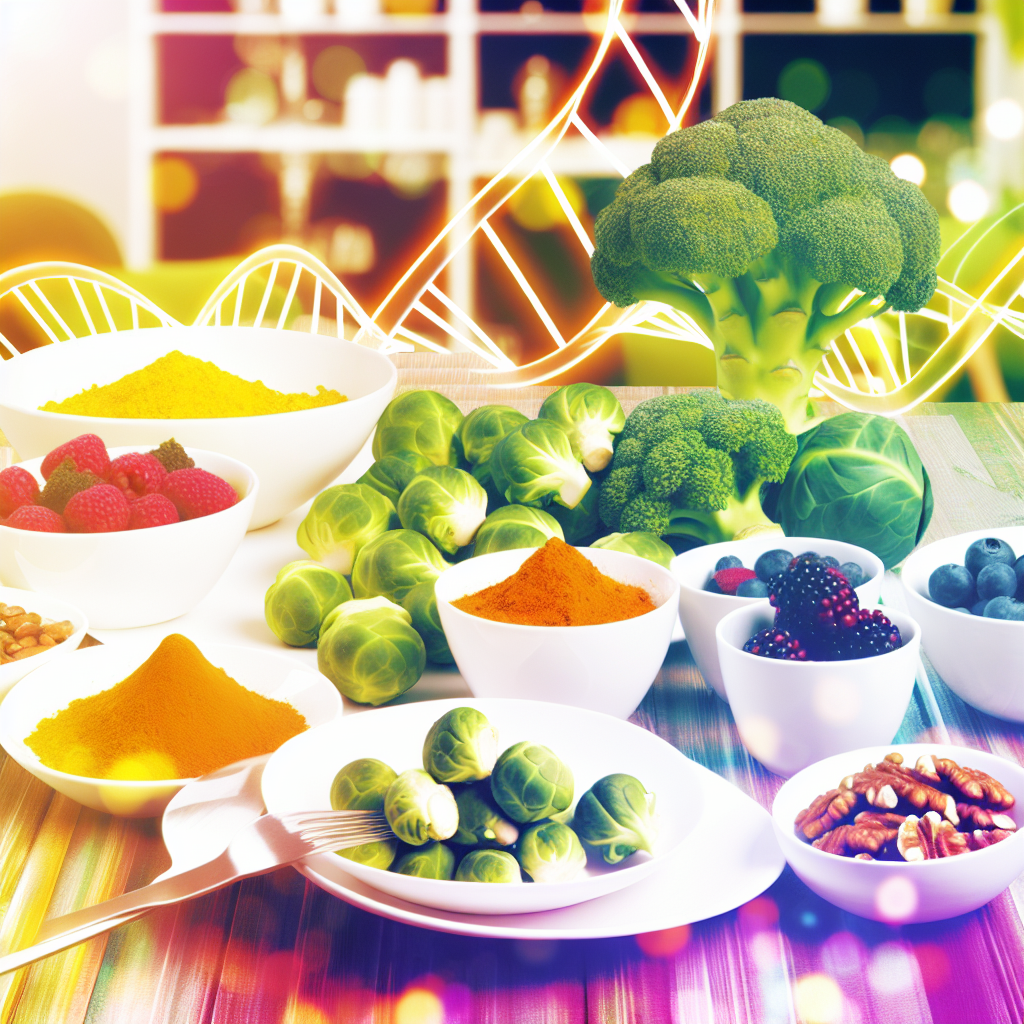
Food as Information, Not Just Fuel: The Epigenetic Power of Your Plate
Imagine if every bite you took was a secret conversation with your genes. Beyond merely filling you up, your meals could be whispering crucial instructions on how to fend off diseases or age gracefully. Welcome to the fascinating world of epigenetics, where the adage “You are what you eat” takes on a literal and far-reaching significance. This isn’t science fiction; it’s the scientific reality of how your diet can influence your gene expression and overall health.
Unpacking Epigenetics and Nutrition
Epigenetics involves the study of how your behaviors and environment—like what you eat—can affect how your genes work. Intriguingly, substances in your food like folate, found in spinach, can promote DNA methylation, a key process that turns genes on and off. This is crucial because it can influence everything from your development to your risk of disease.
The Science of Nutrigenomics and Nutrigenetics
Nutrigenomics looks into how the foods you consume interact with your genes, while nutrigenetics dives into how your genetic makeup affects your reaction to nutrients. This dual approach highlights why a universal diet plan doesn’t work for everyone. For instance, the effects of omega-3 fatty acids on inflammation can vary dramatically between individuals due to genetic differences.
Key Foods and Their Epigenetic Impact
- Green Tea: Loaded with catechins, green tea can modify gene expression to activate anti-cancer pathways.
- Turmeric: Packed with curcumin, it offers potent anti-inflammatory and antioxidant properties that can influence genes linked to inflammation and cancer.
- Cruciferous Vegetables: Broccoli and Brussels sprouts are high in sulforaphane, a compound that protects against cancer by influencing histone modifications and DNA methylation.
- Berries and Nuts: These superfoods are rich in antioxidants that help manage oxidative stress, a key player in gene expression and aging.
Practical Tips for Incorporating Epigenetic Foods into Your Diet
Introducing epigenetic powerhouses into your diet is simpler than you might think:
- Start your day with a refreshing cup of green tea instead of coffee.
- Add a dash of turmeric to your dishes to spice things up a bit and boost your health.
- Fill half your plate with vegetables, especially the mighty cruciferous variety.
- Choose nuts or fresh berries for snacks over processed options.
Addressing Challenges and Personalization
It’s essential to recognize that the impact of diet through epigenetics can vary from person to person. What works for one might not work for another. Considering personalized nutrition, possibly guided by genetic testing or consultation with a dietitian, can optimize your diet to your unique genetic profile.
Engaging Conclusion
The power of your diet extends beyond nourishment; it’s a direct dialogue with your genes. By choosing what you eat wisely, you’re not just feeding your body; you’re instructing your genes toward better health and longevity. As you consider your next meal, think about the messages you’re sending to your body’s fundamental blueprint.
Ready to let your food do the talking? What genetic messages will you choose to send tonight at dinner?