Should You Try a Standing Desk After 50?
Imagine reshaping your work environment not just for comfort, but to boost your health as you age. As the candles on the birthday cake increase, so does the need to stay active and maintain good health. A standing desk might just be the unexpected hero in this journey. Let’s explore whether standing desks are trendy office accessories or essential tools for aging gracefully and staying spry past 50.
The Golden Years and Movement
In the post-50 chapter of life, our bodies undergo changes like decreased muscle mass and joint stiffness. Regular movement is critical; it can alleviate issues such as cardiovascular diseases and type 2 diabetes, which tend to become more common as we age.
Posture and Ergonomics
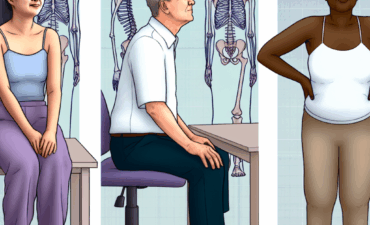
Good posture isn’t just for ballerinas; it’s essential for all of us, especially as we age. Maintaining correct alignment can prevent a variety of musculoskeletal problems. Standing desks encourage good posture and could potentially reduce the risk of back pain, a frequent complaint among older adults.
Are Standing Desks a Back’s Best Friend?
It’s commonly believed that standing desks might reduce back pain, but is this true for everyone, especially those over 50? Standing can decrease spinal compression compared to sitting. However, it’s vital to transition to a standing desk gradually to avoid new aches.
Standing Desk Benefits for Seniors
Far from being just a hip office trend, standing desks offer several benefits that are particularly compelling for seniors:
- Enhanced circulation: Standing promotes better blood flow, which is great for your heart and muscles.
- Increased energy: Users often feel more energized when standing during work.
- Improved mood and alertness: Standing can boost your mood and help keep depression at bay while maintaining alertness.
Practical Considerations for the 50+ Crowd
Considering a standing desk? Here are some tips to make the transition smoother:
- Start Slow: Begin with 30-minute standing intervals, alternating with seated work. Gradually increase this time as you become more comfortable.
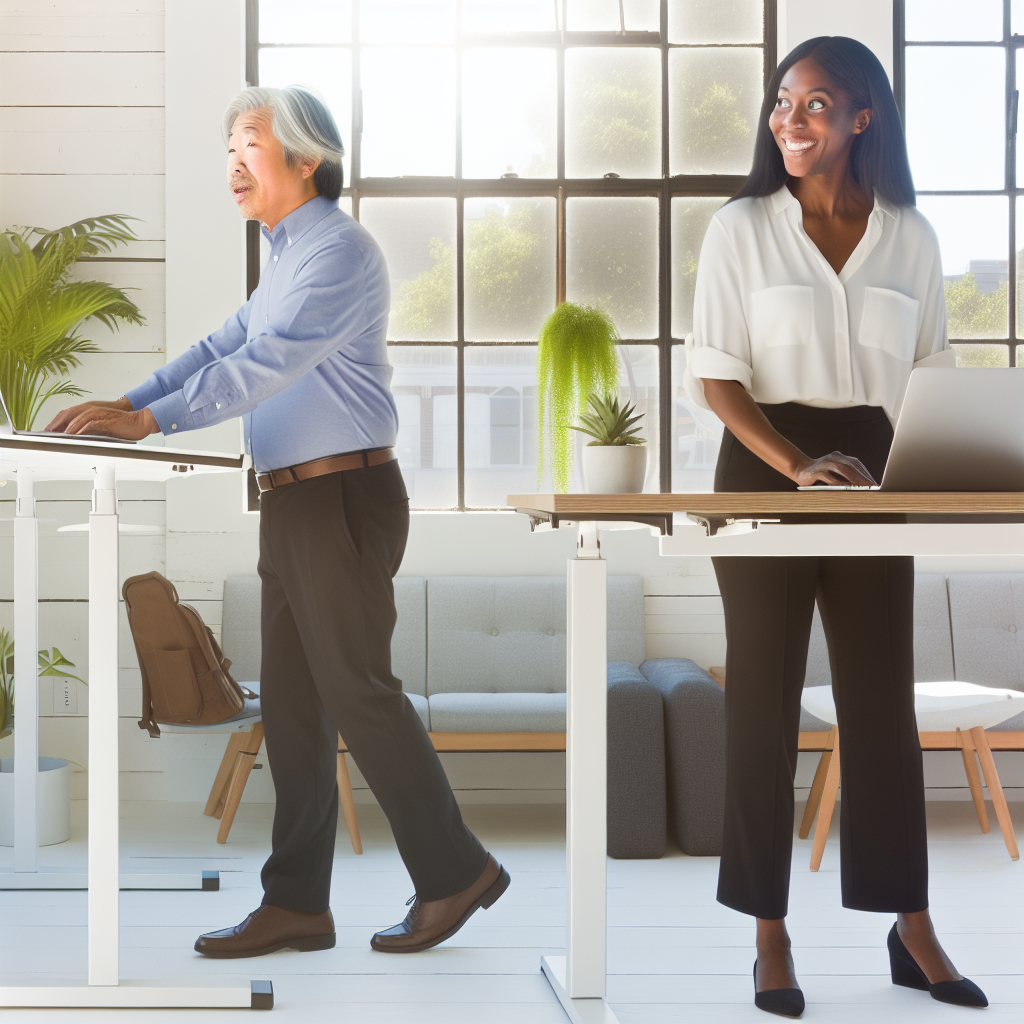
- Ergonomic Setup: Make sure your screen is at eye level and that your knees are slightly bent to avoid strain.
- Comfortable Footwear: Invest in good shoes; they make all the difference when standing longer during the day.
Best Standing Desks for Older Adults
Selecting the right standing desk is crucial. Opt for models with easy height adjustability and sufficient workspace. Desks with preset height options are especially handy if you share the space with others.
Conclusion: To Stand or Not to Stand?
Adopting a standing desk can be an excellent way for those over 50 to enhance their health and overall well-being. Tailoring this tool to fit your personal health needs and lifestyle is crucial. Always listen to your body and consult with a healthcare provider if you have existing conditions that might be affected by standing desks.
Are you ready to stand up and embrace a healthier lifestyle with a standing desk, or do you have other strategies for staying active and healthy as you age? How will you ensure your work environment supports your health and vitality in the years to come?
What’s Your Next Move?
Will you stand up for your health by integrating a standing desk into your daily routine, or perhaps you’ve discovered another way to stay fit and fabulous after 50? We’re curious to hear your plans or experiences; share your story below and inspire others on their journey to a healthier, more active lifestyle!