How Posture Affects Organ Health Over Time
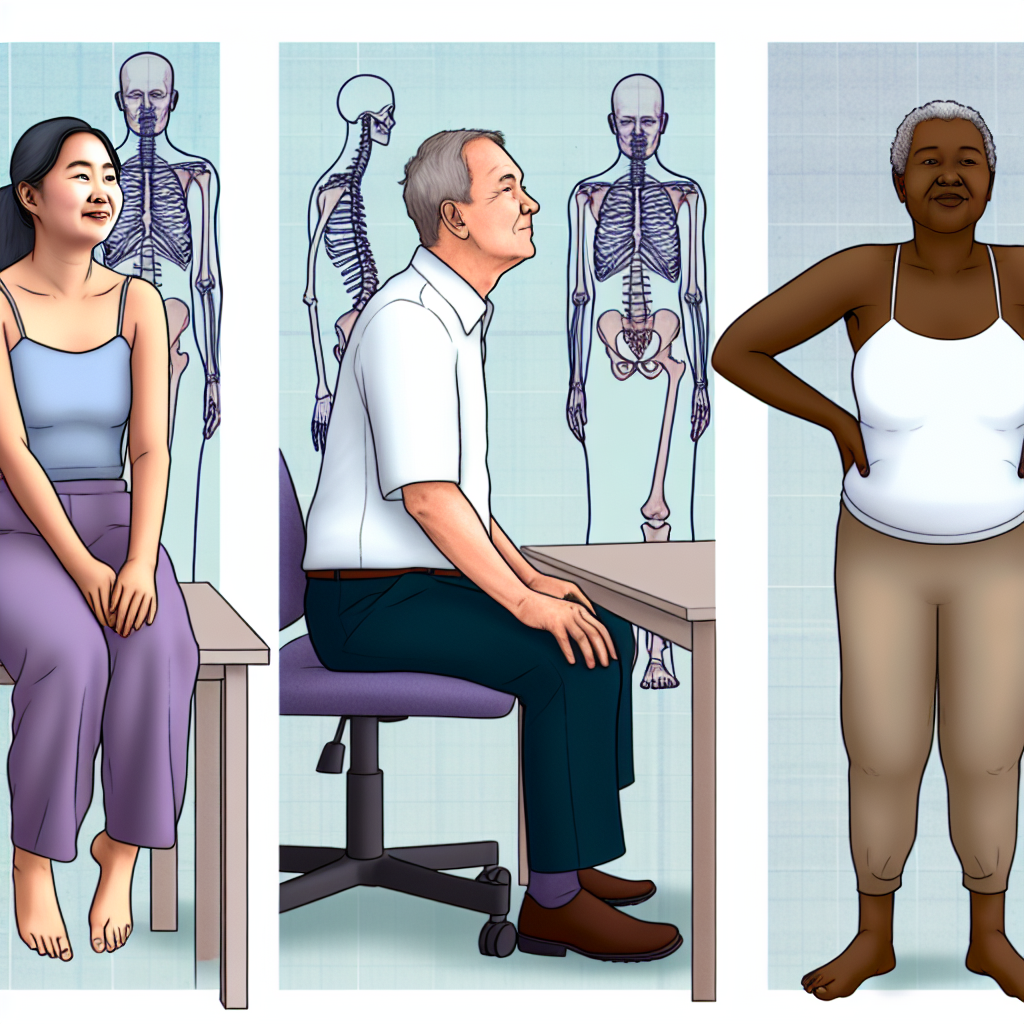
Have you ever considered that your love for lounging could be impacting more than just your spine? Yes, that’s right, the way you sit, stand, and even sleep can have profound effects on your internal organs. From your lungs to your digestive system, your posture dictates more than just how tall you appear. So, let’s straighten up and dive into the unexpected ways your posture is influencing your internal health.
The Science of Posture and Its Broad Impacts
Understanding Posture
Good posture isn’t just about standing tall; it’s about maintaining the natural curves of the spine and ensuring muscles and joints are in alignment. In contrast, bad posture can offset this balance, leading to strain and discomfort.
Beyond the Bones – A Visceral Connection
While you might be aware that poor posture can lead to musculoskeletal issues, it’s less commonly known that it can also squish your internal organs, affecting their ability to function properly. For example, hunching over can compress your lungs, making it difficult for them to fully expand when you breathe.
Organ-Specific Effects of Poor Posture
Respiratory Health
Slouching restricts the expansion of your lungs, reducing lung capacity and the amount of oxygen that reaches your bloodstream. This can leave you feeling fatigued and less alert.
Cardiovascular Implications
Poor posture also forces your heart to work harder, slowing blood circulation and potentially leading to an increase in heart rate and blood pressure.
Digestive Dynamics
A slumped posture can press against your stomach, causing conditions like acid reflux and slowing down the digestive process, which can affect your overall nutritional health.
Nervous System Nuances
The spine is the central highway of your nervous system, and any misalignment due to bad posture can compress nerves, causing pain, tingling, or numbness.
Correcting Posture for Better Health
Simple Daily Adjustments
Improving your posture can start with simple everyday actions:
- Optimizing your workspace for better ergonomics.
- Taking regular breaks to stretch and walk around.
- Being mindful of maintaining a neutral spine while sitting or standing.
Exercises and Therapies
Building core strength and flexibility can significantly improve your posture. Activities like yoga and Pilates are excellent, as are regular check-ups with a physical therapist or chiropractor.
Ergonomic Solutions
Invest in ergonomic furniture like supportive chairs and adjustable desks to help maintain proper posture and prevent organ compression.
Real-life Success Stories
Countless individuals have transformed their health by improving their posture. Benefits range from alleviated back pain to enhanced digestion and increased vitality, proving that the power of posture extends well beyond surface appearances.
Conclusion
Although often overlooked, posture is a crucial aspect of our health, influencing everything from organ function to overall energy levels. By making conscious efforts to improve the way we sit, stand, and move, we can enjoy profound health benefits. Remember, every inch of slouch could be squeezing the vitality out of your organs.
What’s one small posture change you can commit to today for better health tomorrow?