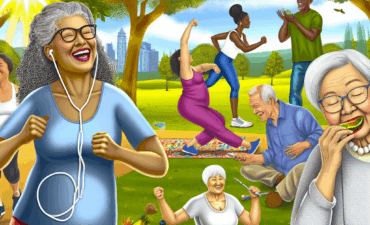
Does Alcohol Accelerate Aging? The Truth About Drinking After 40
Imagine the paradox of toasting to a long life with a drink that might just be shortening yours! As delightful as that evening glass of wine or beer might be, it’s wise to consider its effects on our aging process—especially once we pass the big 4-0. In this exploration, we’ll dive into both the sobering facts and surprising benefits of alcohol consumption in our golden years.
The Science of Alcohol and Aging
Alcohol’s Impact on the Body’s Systems
Post-40, our metabolism isn’t what it used to be, and neither is our body’s reaction to alcohol. This isn’t just about the quicker buzz; it’s about how alcohol fuels inflammation, which speeds up the aging process and promotes chronic diseases. Chronic inflammation can accelerate the deterioration of tissues, impacting our longevity.
Cognitive Considerations
Though that cocktail might momentarily seem to sharpen your wit, regular indulgence can dull it over time. Studies link moderate to heavy drinking with a heightened risk of cognitive decline and brain shrinkage. For those over 40, the implications are even more significant, warranting a closer look at our consumption habits.
The Sleep Connection
Turning to alcohol as a nightcap? You might want to think twice. Alcohol disrupts the sleep cycle, particularly REM sleep, which is crucial for memory and learning. Compromised sleep can lead to grumpiness and faster cognitive decline, making those zzz’s as important as ever.
Weighing the Pros – Is Moderate Drinking Beneficial?
Cardiovascular Health
It’s not all doom and gloom. Moderate drinking, especially red wine, is noted for its potential cardiovascular benefits, thanks to antioxidants like resveratrol which may help protect the heart’s blood vessels.
The Antioxidant Argument
Beyond heart health, antioxidants in drinks like red wine can combat oxidative stress — a key factor in aging. However, these benefits are best enjoyed in moderation, with a mindful approach to each sip.
Social and Psychological Benefits
The social butterfly in us may rejoice! In moderation, alcohol can enhance social interactions and provide some stress relief. The challenge lies in balancing these benefits with the potential health risks.
Current Trends and Changing Attitudes
Shifts in Drinking Culture
The healthy lifestyle trend has bolstered the sober curious movement and sparked interest in non-alcoholic beverages. This shift reflects a growing awareness of alcohol’s health impacts, particularly among those over 40 aiming to age gracefully.
Public Perception and Health Guidelines
Updated health guidelines reflect a more cautious stance on alcohol, influencing public perceptions and encouraging healthier drinking habits.
Practical Tips for Managing Alcohol Consumption as You Age
Knowing Your Limits
Understanding personal limits is crucial. Pay attention to how your body responds to alcohol and adjust your intake as needed. This might mean smaller servings or fewer drinks per week.
Alternatives and Moderation Strategies
- Dilute alcoholic drinks with water or club soda to reduce alcohol intake.
- Opt for low-alcohol options to enjoy social aspects without the high alcohol content.
- Implement alcohol-free days to give your body time to recover and reset.
Enhancing Overall Health
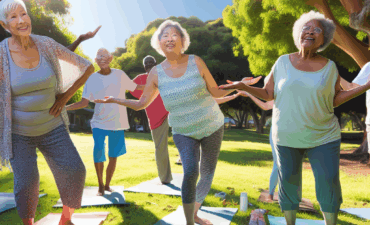
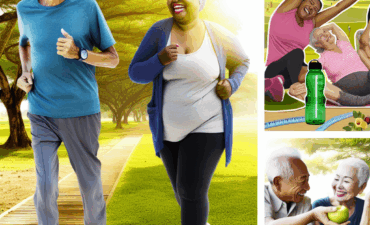
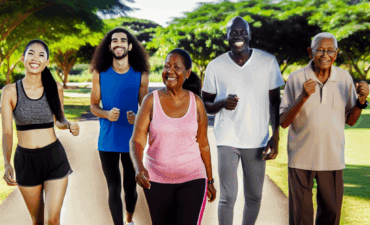
To mitigate alcohol’s negative effects, focus on hydration, maintaining a balanced diet, and regular physical activity. These habits can help balance out the aging effects of alcohol.
Conclusion
Understanding the role of alcohol in our aging process is crucial as we navigate the later decades of life. While moderate consumption might offer some benefits, the risks increase with age, prompting us to reassess our drinking habits.
As you reflect on your relationship with alcohol, consider how it aligns with your goals for health and longevity. What changes might you make to ensure that your lifestyle choices today help you thrive tomorrow?