Why Your Posture Today Predicts Your Health Tomorrow
Remember when your mother incessantly reminded you to sit up straight? Turns out, she was not just nagging for the sake of good manners. Good posture is more than just looking poised; it’s a cornerstone of your long-term health, influencing everything from your breathing to your likelihood of enjoying your golden years sans a hunched back. Let’s dive into why standing tall isn’t just for soldiers and how you can keep your spine happy as the candles on your birthday cake multiply.
The Science of Posture and Aging
What is Good Posture?
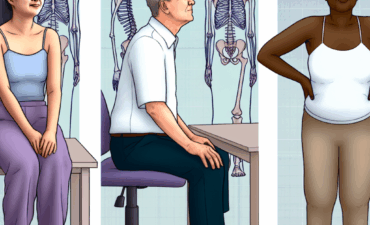
Good posture isn’t about stiffening up like a guard outside Buckingham Palace. It’s about aligning your spine with its natural curves, standing tall, and allowing your muscles and ligaments to work minimally yet efficiently to keep you upright. This balancing act helps distribute the force of gravity across your body evenly, minimizing stress and preventing muscle fatigue.
The Downside of Bad Posture
Slouching might be comfortable, especially after a long day. However, chronic poor posture can set you up for back and neck pain, joint degradation, and even impaired mobility. It’s like bending a hose; eventually, the water pressure drops, and not much gardening gets done. Similarly, poor posture can constrict blood flow and nerve signals, leaving your body less efficient and more prone to injury as you age.
Why Posture Matters as You Age
Beyond Aesthetics – The Health Impacts
While a straight spine might make you look taller and more confident, its benefits plunge deeper than surface level. Proper posture ensures vital organs have room to function optimally, enhancing your breathing, circulation, and digestive processes. Additionally, maintaining a healthy posture reduces wear and tear on your joints, which can stave off conditions like arthritis that often come knocking as we age.
Posture and Mental Health
Ever notice how your mood lifts when you straighten up? Studies suggest that good posture can have a positive effect on your mental health, reducing feelings of depression and boosting self-esteem. It’s a physical action that fosters psychological wellness, proving that sometimes, the best ‘pick-me-up’ might just be sitting up straight.
Correcting and Improving Your Posture
Daily Exercises and Stretches
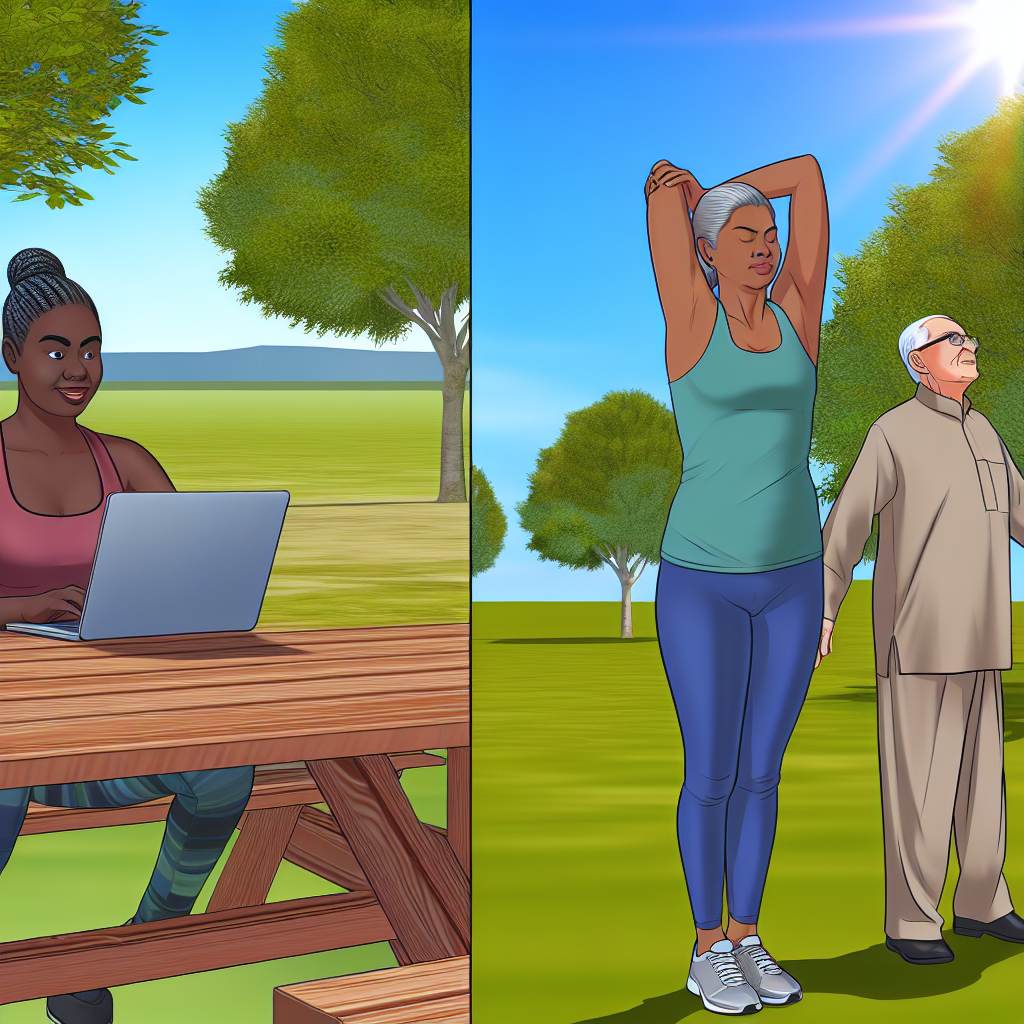
- Shoulder blade squeeze: Great for counteracting the chest tightness from sitting at a desk.
- Planks: Strengthen your core, which holds the key to good posture.
- Neck stretches: Keep your neck muscles loose and prevent them from locking up.
Lifestyle Adjustments for Better Posture
Improving your workplace ergonomics can work wonders. Adjust your chair so that your feet are flat on the floor, your thighs are parallel to the floor, and your computer screen is at eye level. Remember, the best sitting posture is always the next one; regularly changing positions and taking short walks can keep your muscles relaxed and engaged.
Leveraging Technology and Professional Help
Gadgets and Apps That Help
From wearables that buzz when you slouch to apps that guide you through posture-improving exercises, technology can be a fantastic aid in your journey to better posture. These tools provide real-time feedback and are particularly useful for those of us who lose track of our posture amidst the daily grind.
When to Seek Professional Help
If you’re experiencing persistent pain or discomfort, it might be time to consult a professional. Physical therapists or chiropractors can offer personalized advice and treatments to diagnose posture issues and develop personalized improvement plans. They can provide exercises and stretches that are tailored specifically to your needs.
Real-Life Success Stories
Consider the story of John, a retired banker who took up posture exercises in his 60s. After months of dedicated practice, not only did his chronic back pain reduce, but he also improved his golf swing. John’s story is a testament to the fact that it’s never too late to start caring for your spine.
Conclusion
Whether you’re a spry thirty-something or a wise seventy-something, maintaining good posture is a lifelong commitment that pays dividends in physical and mental health. It’s about making small adjustments daily, which add up to significant health benefits over time.
So, what small step will you take today to straighten up for a healthier tomorrow?