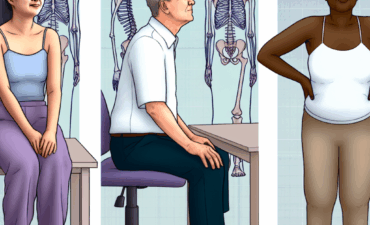
If menopause feels like nature’s way of trolling you with hot flashes, mood swings, and stubborn weight gain, you’re not alone. But one lesser-discussed side effect of menopause is muscle loss—a sneaky but significant challenge that can impact your strength, metabolism, and overall health.
Here’s the good news: you don’t have to accept this as inevitable. While menopause changes how your body works, it doesn’t have to change what your body is capable of. With the right strategies, you can maintain (and even build) muscle, stay strong, and feel empowered. Let’s dive into the science and solutions behind staying strong after 40.
Why Does Menopause Cause Muscle Loss?
Blame it on hormones. During menopause, levels of estrogen and progesterone take a nosedive. These hormones don’t just regulate your menstrual cycle—they play critical roles in maintaining muscle mass, bone density, and metabolism.
When estrogen levels drop, the following happens:
- 🔻 Muscle Protein Synthesis Slows: Your body doesn’t repair and build muscle as efficiently.
- 🔻 Metabolism Slows Down: Making it easier to gain fat and harder to stay lean.
- 🔻 Bone Loss Accelerates: This increases your risk of osteoporosis and injuries, making strength crucial.
The takeaway? Without action, menopause can lead to a decline in strength, balance, and overall physical resilience. But with action, you can counteract these effects.
How Women Over 40 Can Fight Muscle Loss
If menopause is a biological curveball, consider strength training, proper nutrition, and recovery your tools to hit it out of the park.
1. Prioritize Strength Training (No, It Won’t Make You “Bulky”)
Strength training is the holy grail for maintaining muscle during and after menopause. It’s also a secret weapon for boosting your metabolism, improving bone density, and fighting belly fat.
🏋️♀️ Best Strength Training Exercises for Women Over 40:
- Squats: Strengthen legs and core, improve balance.
- Push-Ups: Build upper body strength (modify with knee push-ups or incline push-ups).
- Deadlifts: Strengthen your entire posterior chain and improve functional strength.
- Rows: Support good posture and prevent back pain.
- Plank Variations: Strengthen your core, the foundation of all movement.
Pro Tip: Start with 2-3 days a week, focusing on form and gradual progress. Bodyweight exercises are a great starting point if you’re new to strength training.
2. Protein: Your Muscle’s Best Friend
After 40, your body requires more protein to maintain and repair muscle. Aim for:
🥩 1.2–1.6 grams of protein per kilogram of body weight daily.
Examples of protein-rich meals:
- Greek yogurt with berries and nuts for breakfast.
- Grilled chicken salad with quinoa for lunch.
- Baked salmon with roasted vegetables for dinner.
Plant-based? No problem. Opt for lentils, tofu, tempeh, chickpeas, and edamame.
Pro Tip: Space your protein intake evenly throughout the day for maximum muscle benefits.
3. Embrace Resistance: Bands, Weights, and Beyond
Strength training doesn’t require heavy barbells or an intimidating gym setup. Start with what feels manageable:
- Resistance Bands: Affordable, portable, and beginner-friendly.
- Dumbbells: Great for progressively adding weight as you grow stronger.
- Bodyweight: Push-ups, squats, and lunges are effective and equipment-free.
4. Cardio: The Support Role
Cardio is essential for heart health and burning calories, but it won’t preserve muscle on its own. Focus on low-impact options that are easier on joints:
- Walking (bonus points if it’s uphill!).
- Cycling.
- Swimming.
Pro Tip: Combine cardio with strength training for the ultimate anti-aging fitness routine.
5. Mindset & Consistency Are Key
One of the biggest barriers to building strength isn’t physical—it’s mental. It’s easy to think, “It’s too late” or “I’ll never keep up.” But science says otherwise:
- Women who start strength training later in life can still build muscle and improve bone health significantly.
- Consistency is more important than intensity. Even 20 minutes, three times a week, can make a huge difference.
Remind yourself: It’s not about being perfect—it’s about showing up.
What About Hormone Replacement Therapy (HRT)?
For some women, HRT can help mitigate muscle loss by stabilizing hormone levels. However, it’s not for everyone. Talk to your doctor about whether HRT or other treatments might benefit your overall health plan.
Why Staying Strong Is About More Than Muscles
Building and maintaining muscle isn’t just about looking good (although who doesn’t want to feel confident in a tank top?). It’s about aging with strength, resilience, and independence.
Here’s what strength training during menopause really gives you:
- Confidence: Feeling strong helps you tackle life with ease.
- Independence: Muscle strength ensures you can stay active and self-reliant as you age.
- Resilience: Both physically and mentally—when your body is strong, your mind follows.
Final Thoughts: Rewrite the Story of Menopause
Menopause doesn’t mean giving up control of your body—it means writing a new chapter in your health story. By staying active, fueling your muscles, and embracing your strength, you can turn this phase into an opportunity for growth.
So, ask yourself: What small step can I take today to build the strength I’ll need tomorrow?
Because when it comes to muscle, strength, and vitality, you’re never too old to start—or too strong to keep going. 💪