Mobility Exercises to Prevent Falls After 60: A Step-by-Step Guide to Keeping Your Balance
Introduction
Picture this: you’re 65, freshly retired, and you’ve just sketched out a world tour. There’s just one snag – the fear of falling, which clings to your plans like a stubborn burr. You’re not alone, though. Over a quarter of seniors take a tumble each year, often sidelining their independence and zest for life. But what if you could sidestep this risk with some simple, daily exercises? Let’s dive into how you can stay sprightly and upright, conquering your bucket list one steady step at a time.
Understanding the Risk of Falls in Older Adults
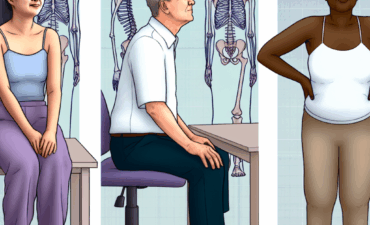
As we age, our muscles might not be as mighty, and our joints could whisper complaints. These changes can make us more prone to falls. The repercussions of a tumble are not just physical—think broken bones—but they can also shake up one’s confidence, making the fear of falling a recurring nightmare.
The Science of Mobility and Balance
Keeping your balance is a bit like running a well-coordinated circus. It involves several body systems playing nicely together. Mobility exercises beef up your muscle strength, amp up your flexibility, and improve your body’s knack for knowing where it is in space (that’s proprioception, for the science buffs). Research consistently shows that these exercises are your best bet for dodging falls and staying agile.
Core Mobility Exercises to Prevent Falls
Woven into your daily life, these exercises can strengthen your independence. Here’s how you can incorporate balance and strength into your routine:
- Balance Exercises:
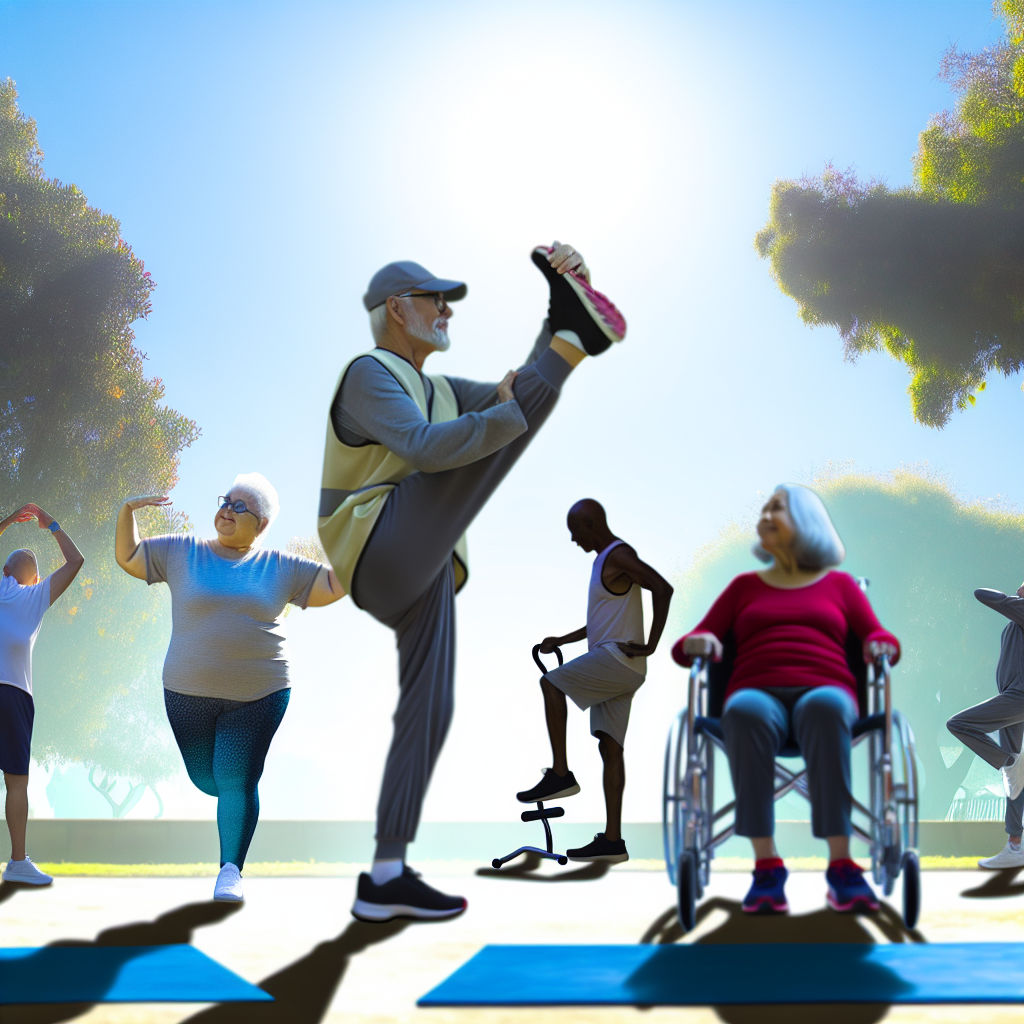
- Single-leg stands: Stand behind a chair for support. Lift one leg and hold. Switch legs after a few seconds. It’s like playing statue, but more beneficial!
- Heel-to-toe walk: Imagine walking on a tightrope. This exercise tests and improves your balance dramatically.
- Strength Training Exercises:
- Sit-to-stands from a chair: Sit down and stand up without using your hands. Repeat. It’s like musical chairs, but you’re always the winner.
- Light leg weights: Strap on some light weights and give your legs a good workout as you go about your day or during specific exercises.
- Flexibility Routines:
- Calf stretches: These can be done anywhere, anytime. Lean into a wall and stretch those calves.
- Yoga poses: Engage in senior-friendly poses like the tree or warrior. Yoga boosts both your flexibility and your street cred among the grandkids.
Incorporating Exercises into Daily Life
Consistency is key. Embed these exercises into your routine—calf stretches while brushing teeth or chair stands during TV breaks. Look out for senior fitness classes in community centers which provide both instruction and social fun.
Advanced Options and Tools
If you’re tech-savvy, explore apps that guide and track these exercises. For tailored advice, especially if dealing with specific health issues, a physical therapist can be invaluable.
Overcoming Common Barriers
Keeping motivated can be tough, especially if it feels like a solo journey. Setting small, achievable goals can keep you inspired. Remember, exercises can always be modified to meet your body’s needs, ensuring safety and effectiveness.
Conclusion
Whether you’re gearing up for global adventures or just want to navigate daily chores with ease, these mobility exercises are your secret weapon against falls. Start small with one or two exercises, and as you gain confidence, expand your routine to further safeguard your independence.
How will you step up your game today to ensure many more years of active, independent living? Isn’t it time to show those fears of falling who’s really boss?