Welcome to the Anti-Inflammatory Diet: Your Ticket to Happier Joints!
Think of your joints as the hinges on the doors of your life; they’re essential, but you hardly notice them until they start to squeak and groan. As we age, our bodies often remind us of our life’s adventures, sometimes a bit too loudly. If you’re tired of your knees sounding like a creaky staircase, it might be time to consider an anti-inflammatory diet—a scientifically backed approach that could quiet those noisy joints and keep you moving smoothly.
Understanding Joint Health and Inflammation
The Science of Aging Joints
Joint deterioration is a part of life; cartilage thins and inflammation can set in, leading to pain and stiffness. But this isn’t just an inevitable consequence of aging; it’s also about how our bodies react to our lifestyle choices over the decades.
How Diet Influences Inflammation
It’s well-documented that certain foods can trigger inflammatory responses, while others can help reduce them. For instance, processed foods and refined sugars can significantly exacerbate inflammation, while omega-3 fatty acids and antioxidants can help reduce it.
- Pro-inflammatory culprits: refined sugars, trans fats, and excessive alcohol.
- Anti-inflammatory heroes: Omega-3s, colorful fruits and vegetables, and whole grains.
Key Components of an Anti-Inflammatory Diet
Foods to Embrace
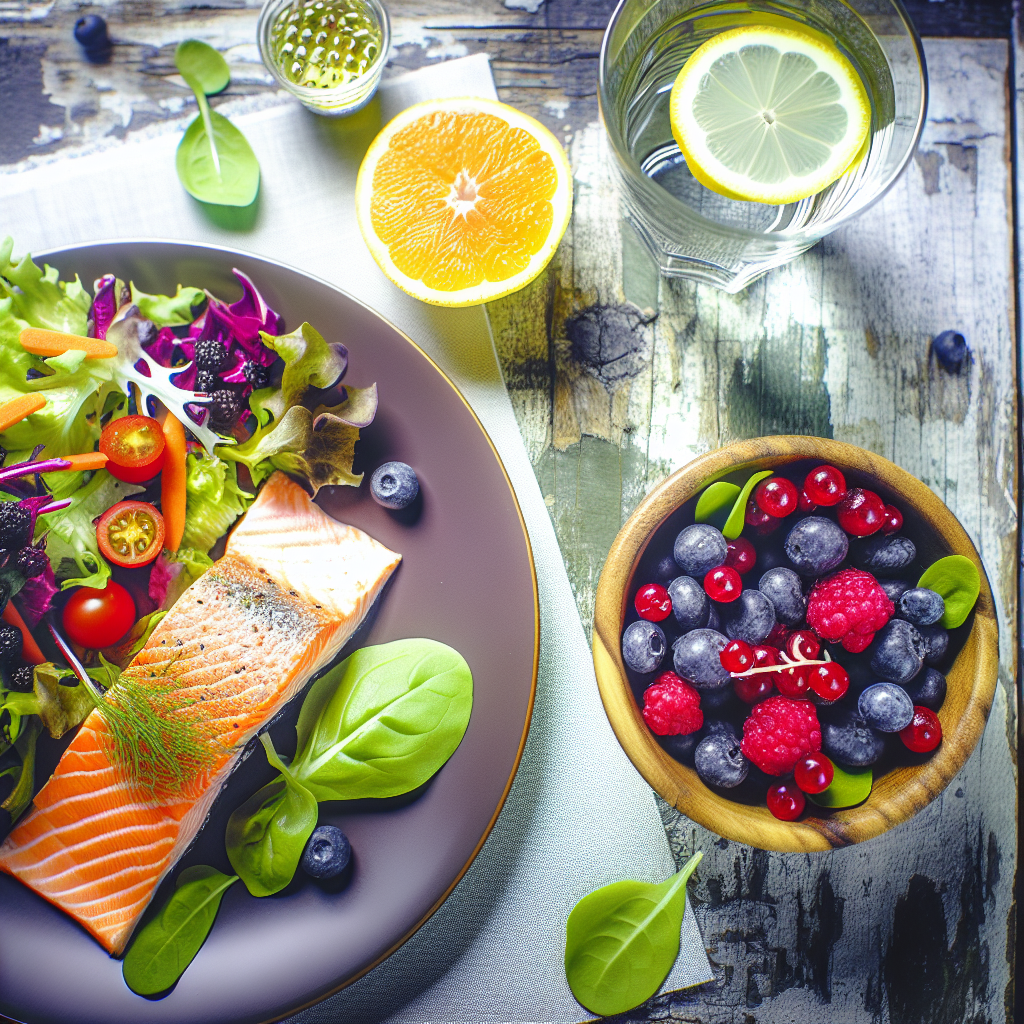
Incorporating anti-inflammatory foods into your diet is about more than just eating salads. Including fatty fish like salmon, nuts packed with vitamin E, and berries full of antioxidants can make meals both delicious and beneficial for your joints.
- Brighten up your plate: Cherries, oranges, and berries are not only sweet but also rich in anti-inflammatory compounds.
- Whole grains: Foods like quinoa, brown rice, and whole oats fight inflammation while filling you up.
Foods to Avoid
To manage inflammation, it’s critical to cut back on foods that cause flare-ups. Reducing your intake of processed foods, sugars, and certain oils can help keep inflammation in check.
Hydration and Joint Health
Drinking plenty of water isn’t just good for your overall health—it’s essential for keeping your joints lubricated. Stay hydrated to keep your joints happy.
Implementing Your Anti-Inflammatory Diet
Planning Your Meals
Begin with simple substitutions like replacing butter with olive oil and salt with herbs. Introduce at least two servings of fatty fish per week, and fill at least half your plate with vegetables at each meal.
Lifestyle Synergies
Combining your diet with regular gentle exercise and good sleep hygiene can significantly enhance joint health. Activities like yoga or swimming can be particularly beneficial.
Common Challenges and Solutions
Overcoming Barriers
Adjusting your diet can seem daunting, but focus on one change at a time. Can’t find fresh produce? Frozen fruits and vegetables are equally nutritious and often more affordable.
Staying Motivated
Keep a food diary to track your progress and adjust your diet as needed. Joining online communities or finding a diet buddy can also offer support and motivation.
Conclusion
Adopting an anti-inflammatory diet could significantly enhance your joint health and overall well-being. It’s about making manageable changes to your diet that can lead to long-lasting benefits.
Imagine waking up and moving through your day with ease, free from the grip of joint pain. A few dietary tweaks could pave the way to this new reality.
What small change can you make today that your joints will thank you for tomorrow?
Whether it’s swapping out a snack or trying a new recipe, every little bit helps. Why not share your plans or progress? Let us know in the comments below—your journey could inspire others!