Harnessing the Power of Meditation for Stress Relief and Healthy Aging
Imagine being able to dial down life’s stress with just a few minutes of stillness each day. While it may sound like a scene from a tranquil fantasy, this is the real power of meditation—a practice that could be your secret weapon against the less pleasant side effects of aging. Let’s explore how this peaceful practice can help manage cortisol, a notorious stress hormone, and promote healthier aging.
Understanding Cortisol and Its Impact on Aging
Cortisol, often dubbed the “stress hormone,” is crucial for helping us handle stressful situations. Yet, when levels remain high due to chronic stress, it can wreak havoc on our bodies, particularly as we age. Elevated cortisol levels are linked to several age-related health issues, including hypertension, high blood sugar, and a weakened immune system. Therefore, keeping this hormone in check is crucial for maintaining our health and vitality during our golden years.
The Science Behind Meditation and Cortisol Reduction
Meditation isn’t just about finding your zen. It has tangible impacts on our physiological functions, particularly in how our body handles stress. Engaging in meditation regularly can modulate the response of the hypothalamus-pituitary-adrenal (HPA) axis, effectively dialing down cortisol production. Numerous studies have demonstrated that consistent meditation practice leads to a significant reduction in cortisol levels, making it a powerful tool in your stress-management arsenal.
Types of Meditation to Reduce Stress Hormones
- Mindfulness Meditation: This involves staying present and fully engaging with the now, which can help reduce stress by preventing overthinking about past or future concerns.
- Guided Meditation: Perfect for beginners, this type uses a recorded voice to guide you through the meditation process, helping keep stress and wandering thoughts at bay.
- Transcendental Meditation: This technique uses a mantra (a repeated word or phrase) to focus the mind and achieve a state of relaxed awareness, lowering stress and cortisol levels.
Choosing the right type of meditation can depend on personal preference, lifestyle, and specific stressors.
Practical Tips for Incorporating Meditation into Daily Life
Integrating meditation into your daily routine doesn’t require a monumental shift in your schedule. Here are some practical tips to get you started:
- Establishing a Routine: Dedicate a consistent time each day for meditation, whether it’s morning, midday, or evening, to help build the habit.
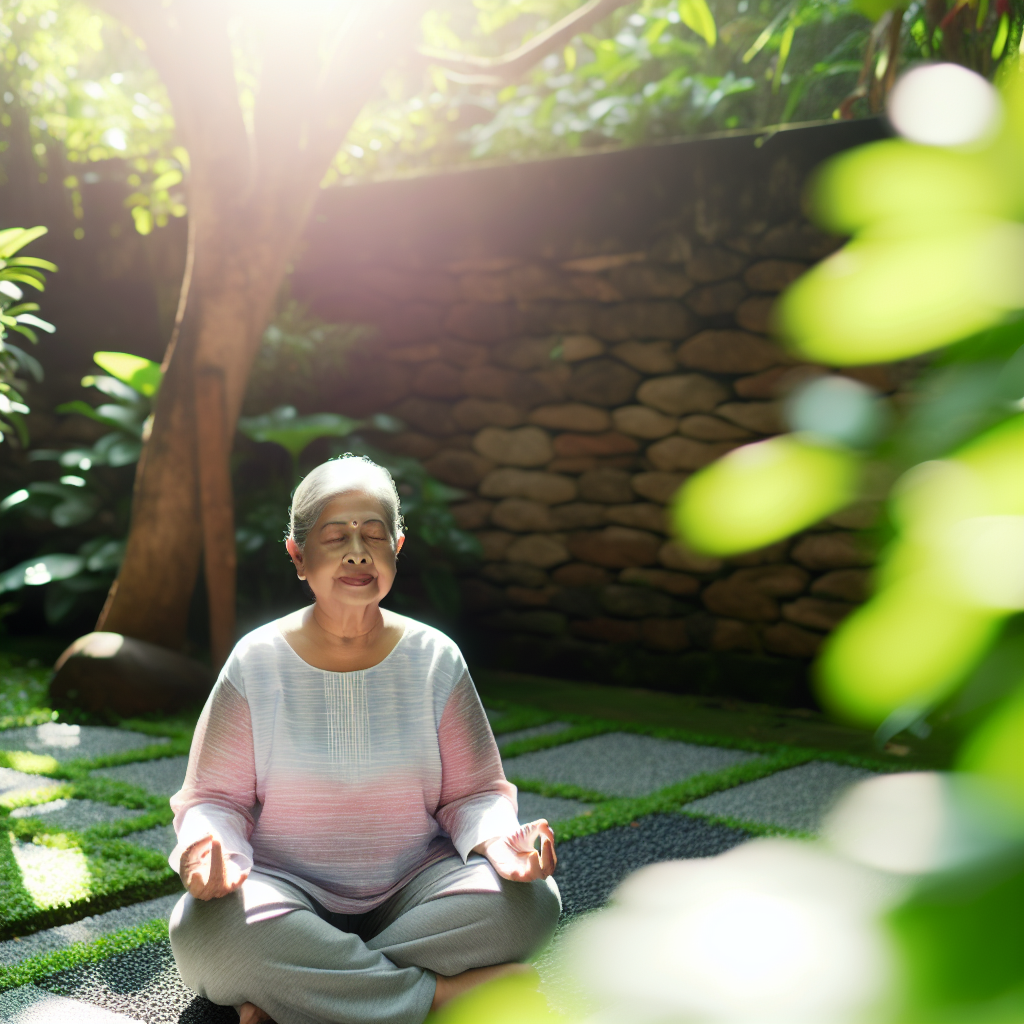
- Creating a Conducive Environment: Find a quiet, comfortable spot in your home where you can sit undisturbed for the duration of your practice.
- Short Sessions: Even 5-10 minutes of meditation can be beneficial, so don’t worry about fitting in an hour-long session.
- Technology Aids: Use meditation apps like Headspace or Calm to help guide your practice, especially when starting.
Challenges in Meditation and How to Overcome Them
While meditation is beneficial, it’s not without its challenges. Distractions, lack of time, and difficulty in maintaining consistency are common hurdles. Overcoming these can be as simple as setting realistic goals, using guided meditations to stay focused, and reminding yourself of the benefits for your health and well-being.
Conclusion
Incorporating meditation into your life can significantly reduce cortisol levels and potentially lead to a healthier, more vibrant aging process. With just a few minutes per day, you can enhance your body’s resilience against stress, boost your mood, and improve overall health. Why not give it a try and see what changes you notice in your daily stress levels and overall well-being?
Call to Action
Are you ready to start your journey toward reduced stress and healthier aging? Why not take a moment right now to close your eyes, breathe deeply, and enjoy a minute of calm? Share your experiences or thoughts on meditation below, or sign up for more insightful tips on embracing a healthier lifestyle as you age. Let’s tackle stress head-on, together!