How to Maintain Your Balance (Literally): Mastering Neuromuscular Training for Fall Prevention
Have you ever felt like walking across your living room rug was as precarious as tightrope walking? As we age, maintaining balance becomes an essential skill, not just for circus performers but for everyday activities. But there’s good news: with neuromuscular training, you can keep your balance strong and your tumbles to a minimum, ensuring you remain as sturdy as a well-rooted oak tree.
Understanding Balance: The Science Behind Staying Upright
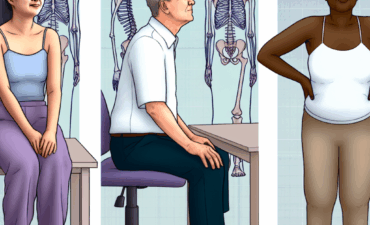
Keeping upright is more than just avoiding those embarrassing trips and falls. It involves a delicate dance between your muscles and nerves, orchestrated by your visual, vestibular (inner ear), and proprioceptive systems. These systems collaborate to help you navigate spaces effortlessly. However, like a finely tuned instrument, they can require more attention as we age.
Neuromuscular training tunes up your body’s sensory responses, enhancing your ability to prevent falls. By strengthening the connections between your nerves and muscles, you’re better equipped to react swiftly and efficiently when you stumble.
Neuromuscular Training: What It Is and Why It Matters
Neuromuscular training is not just jargon but a series of targeted exercises designed to improve the coordination between your brain and muscles. This training can range from simple balance exercises to complex routines that challenge various movement types and sensory inputs.
Studies show that neuromuscular training significantly reduces fall risks by boosting muscle strength, balance, and cognitive function.
Practical Neuromuscular Exercises for Everyday Practice
Are you ready to defy gravity? Here are some exercises to integrate into your daily routine:
- Static Balance Exercises: Try standing on one leg while brushing your teeth. Alternate legs to keep the challenge balanced.
- Dynamic Balance Exercises: Walking heel-to-toe in your hallway can transform a simple walk into a balance-enhancing activity.
- Strength Training: Adding squats and leg lifts strengthens key muscle groups that support balance.
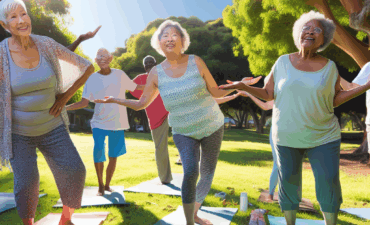
- Flexibility and Relaxation: Practices like Tai Chi or gentle yoga focus on slow, controlled movements that promote balance.
Remember to progressively increase the difficulty of these exercises to continuously challenge your balance safely.
Integrating Balance Training into Daily Life
Turning balance training into a daily habit doesn’t need to be daunting. Utilize everyday moments as opportunities to enhance your balance. Try balancing on one leg while making coffee or performing calf raises during commercial breaks. Consistency and fun are key to making balance training a seamless part of your routine.
Overcoming Challenges and Staying Motivated
It’s normal to feel apprehensive about new exercises, especially if you’re concerned about falling. Begin with low-risk activities, such as chair-assisted exercises, and gradually build your confidence. Setting small, attainable goals can keep you motivated—celebrate each step forward, no matter how small!
Always consult with a healthcare provider before starting any new exercise program, particularly if you have existing health conditions.
Conclusion
Whether you aim to improve your posture, enhance mobility, or just carry groceries without wobble, integrating neuromuscular training into your life can make a significant difference. Maintaining balance isn’t just about preventing falls; it’s about empowering yourself to live independently and confidently as you age.
Are you ready to take the first step towards a more balanced life? What small change can you make today to improve your balance tomorrow? Embrace the challenge and start transforming your daily routine—one balanced step at a time.