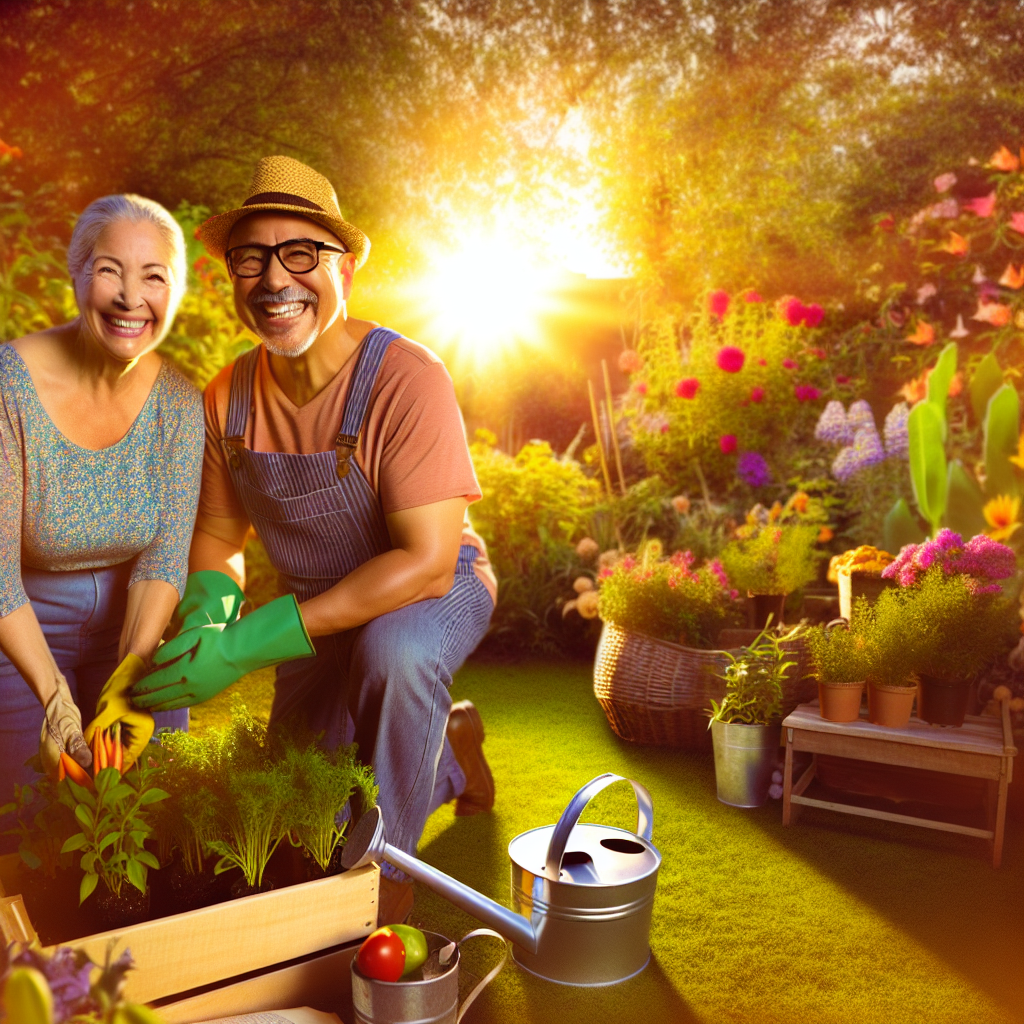
Unlocking the Secrets of Longevity: Gardening as a Fountain of Youth
Imagine a fountain of youth nestled right in your own backyard. Surprisingly, it’s not filled with mystical waters, but with soil, seeds, and plants. Gardening, often seen merely as a hobby for some, emerges as a science-backed pathway to healthier aging, particularly for those in their 40s, 50s, 60s, and beyond. Let’s dig into how this delightful activity can be your ally in the quest for longevity.
Digging Into the Physical Benefits of Gardening
Cultivating Strength and Flexibility
Gardening involves a variety of physical activities, from the gentle bending and stretching required to plant and weed, to more vigorous digging and shoveling. Each movement helps build and maintain muscle strength, endurance, and flexibility, which are crucial as we age. The beauty of gardening is that it’s a low-impact exercise, making it accessible and sustainable for older adults.
The Vitamin D Boost
Spending time outdoors in your garden means soaking up plenty of sunshine, which facilitates the natural production of vitamin D in the body. Vitamin D is essential for bone health and plays a significant role in immune function. This makes gardening a dual-purpose activity—cultivating both your garden and your health.
Mental Health and Cognitive Gains
Reducing Stress Naturally
There’s something inherently calming about tending to a garden. The serene environment reduces stress, which is backed by studies showing that time spent in green spaces significantly lowers cortisol levels, the body’s stress hormone. Gardening offers a peaceful retreat from the hustle and bustle of daily life, promoting mental well-being.
Keeping the Mind Sharp
Gardening isn’t just physical; it’s a mental exercise too. Planning out where to plant, learning about different plant needs, and solving the myriad little puzzles that pop up keeps the brain engaged. This cognitive stimulation is key to maintaining mental agility and staving off the cognitive decline often associated with aging.
Microbiome and Dietary Impacts
From Soil to Gut Health
Did you know that the simple act of digging in the dirt can boost your immune system? The soil is teeming with beneficial bacteria that play a role in enhancing our microbiome, which in turn bolsters our immune system. Plus, it’s pretty grounding to get your hands dirty!
The Garden Diet
What you grow, you’ll likely eat. Gardening encourages a diet rich in fresh fruits, vegetables, and herbs, which are high in essential nutrients and antioxidants. Consuming home-grown produce can lead to better gut health and overall wellness, turning your garden into a true “farm-acy” of health benefits.
Social and Community Dimensions
Growing Together
Gardening can be a communal activity, especially in settings like community gardens. These spaces foster social interactions and help build community ties. Engaging with fellow gardeners can reduce feelings of isolation and loneliness, which is especially important for older adults.
Lifelong Learning and Engagement
The learning never stops in the garden. Whether it’s trying out a new gardening method or discovering an unfamiliar plant species, gardening provides continuous learning opportunities and mental engagement, crucial for mental health as one ages.
Current Trends and Technological Advancements
Urban Gardening Movement
Even city dwellers are finding ways to cultivate their green thumbs through urban gardening. This trend has made the benefits of gardening accessible to those in urban areas, proving that you don’t need a large yard to start your longevity garden.
Smart Gardening Tools
Today’s gardeners can benefit from advancements in gardening technology, such as ergonomic tools and gardening apps, making gardening more accessible for individuals with physical limitations or space constraints.
Conclusion
Gardening offers more than just aesthetic pleasure; it is a powerful tool in promoting longevity and enhancing life quality. By integrating gardening into our lifestyle, we nurture not only our bodies and minds but also our communities and environments.
Call to Action
Why not start small with a couple of pots or a tiny plot? Or perhaps, visit a local community garden to draw inspiration? Gardening is for everyone, regardless of age or green thumb status. What will you plant in your garden of life?
Do you think integrating nature into our daily routines can change the way we age? Share your thoughts and let’s cultivate a discussion on growing older, healthier, and happier.