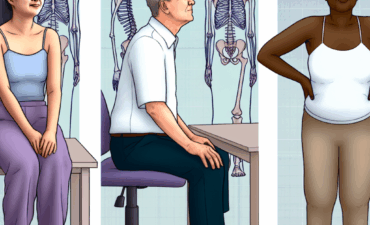
Menopause and Muscle Loss: Tackling the Invisible Challenge
Ever felt like your body’s owner’s manual starts to change once you hit your 40s and 50s? You’re not alone. For many women, menopause feels like a time when the usual rules for health and fitness start rewriting themselves. Among the most stealthy changes is how muscle mass and strength begin to wane as estrogen levels dip. But fear not—understanding why this happens and how to counteract it can keep you strong and spry during menopause and beyond.
I. Estrogen’s Crucial Role in Muscle Health
How Estrogen Supports Muscles
Far beyond its role in reproduction, estrogen is vital for keeping muscles strong and resilient. It works behind the scenes to minimize muscle breakdown and boost repair. When menopause arrives and estrogen levels drop, muscles might follow suit unless you intervene. Understanding this is your first step to maintaining muscle mass.
Estrogen and Your Metabolism
A less talked about role of estrogen involves your metabolism. This hormone helps regulate the speed at which your body converts food into energy. During menopause, changes in metabolic rate can lead to unexpected weight gain, making it crucial to adjust lifestyle habits to maintain a healthy balance.
II. The Dynamics of Muscle Loss During Menopause
Understanding Menopause Stages
Menopause isn’t an overnight event but a gradual journey that includes perimenopause, menopause, and postmenopause. Each stage can influence muscle mass differently due to fluctuating estrogen levels.
The Hormonal Impact on Muscles
The hormonal changes are not just about hot flashes and mood swings; they directly contribute to muscle loss, a condition known as sarcopenia. This is why managing hormone levels and staying active are crucial during and after the menopausal transition.
III. Exercise: Your Best Defense Against Muscle Loss
Effective Exercises for Menopausal Women
- Strength training such as weightlifting or using resistance bands helps rebuild lost muscle and fortify bone density.
- Regular aerobic activities like cycling or brisk walking enhance heart health and overall stamina.
Creating a Sustainable Exercise Routine
Integrating exercise into your daily life doesn’t have to be daunting. Start small and gradually increase the intensity. Consulting with a fitness professional can help personalize your workout to your body’s changing needs.
IV. Nutritional Support for Muscle Health
Protein: The Building Block
Protein is crucial for muscle repair and growth. Including adequate amounts of lean meats, plant-based proteins, and dairy in your diet can make a significant difference in maintaining muscle mass during menopause.
Essential Nutrients for Aging Muscles
- Calcium and vitamin D are essential for bone health, closely linked to muscle function.
- A balanced diet rich in antioxidants and fibers supports overall vitality and aids in weight management.
V. Beyond Exercise: A Holistic Approach
The Role of Stress and Sleep
Managing stress and getting enough sleep are pivotal in fighting muscle loss. Techniques such as meditation, yoga, and ensuring 7-9 hours of sleep per night can profoundly affect your muscle health.
Maintaining Social Connections
An active social life can boost your mood and encourage physical activity, both of which are beneficial for muscle health. Engaging in group activities can also keep you motivated and connected.
Conclusion
Menopause might seem like a formidable foe, but with the right knowledge and tools, you can maintain muscle mass and strength. By understanding the pivotal role of estrogen, embracing strength training and proper nutrition, and managing lifestyle factors, you can stay vigorous and vital during menopause and beyond.
Reflect on your current lifestyle: What is one small change you could implement today that would help you maintain your muscle strength and overall health as you navigate menopause?