Aging Skin and Nutrition: How to Feed Your Skin for Youthful Radiance
Have you ever considered that the fountain of youth might not be a mythical spring but rather nestled in your grocery store’s produce aisle? That’s right – the secret to maintaining youthful, bouncy skin could be as simple as what’s on your dinner plate. From battling wrinkles to boosting skin elasticity, the foods you consume play a pivotal role in how your skin ages. Let’s sink our teeth into the delicious science of how nutrition influences skin health and discover how you can eat your way to a radiant complexion.
Understanding the Aging Process of Skin
Your skin, the body’s largest organ, is a complex system made up of three layers: the epidermis, dermis, and subcutaneous tissue. Each layer has its unique role, but they all suffer the effects of time.
As years pass, your skin naturally loses collagen and elastin, leading to a decrease in elasticity and moisture retention. Environmental factors like UV radiation can accelerate this aging process, but internal factors such as nutrition play an equally crucial role.
The Role of Nutrition in Maintaining Skin Health
The connection between your diet and skin health is powered by a lineup of essential nutrients that safeguard and renew your skin.
Key Nutrients for Skin Health
- Vitamins: Vitamins A, C, E, and D are crucial. For instance, Vitamin C is essential for collagen production, which helps keep the skin firm.
- Minerals: Zinc and selenium support skin healing and protect against UV damage.
- Fats: Omega-3 fatty acids are vital for maintaining skin integrity and moisture levels.
Proteins like collagen and elastin are supported by dietary proteins, which help maintain skin elasticity and strength.
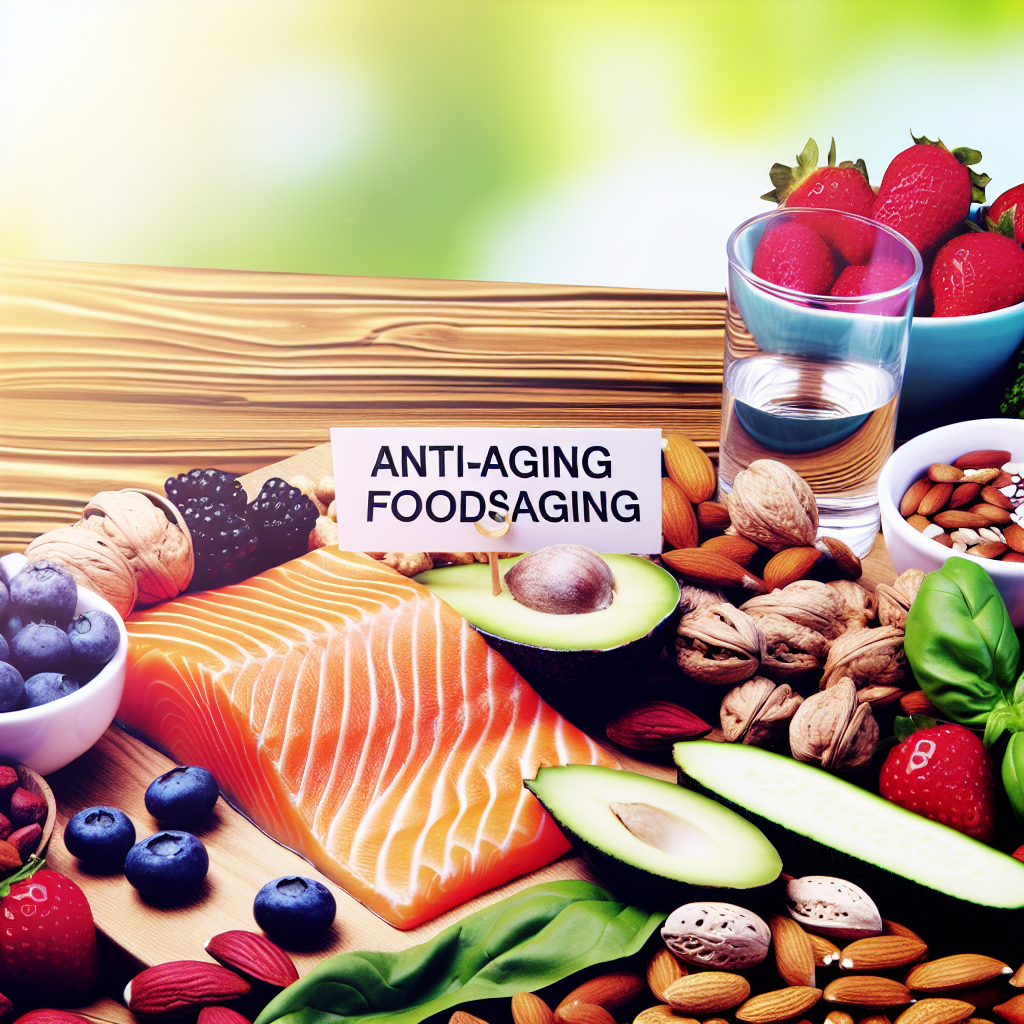
Top Foods for Youthful Skin
Incorporating certain foods into your diet can significantly enhance your skin’s health and appearance:
- Fruits and Vegetables: Packed with antioxidants, these can help combat skin aging.
- Nuts and Seeds: These are abundant in vitamin E and healthy oils, which nourish the skin.
- Fish and Seafood: Rich in omega-3 fatty acids, these help keep the skin thick and moisturized.
- Legumes and Whole Grains: Great sources of proteins and other nutrients that support skin structure.
- Hydration: Staying hydrated is crucial for maintaining skin elasticity and suppleness.
Integrating Skin-Healthy Foods into Your Diet
Here are some simple tips to help you incorporate these skin-nourishing foods into your everyday diet:
- Blend a vitamin-packed smoothie for breakfast.
- Choose nuts or seeds for a healthy, skin-boosting snack.
- Include omega-rich fish in your meals several times a week.
- Drink plenty of water and eat hydrating foods like cucumbers and oranges.
Current Trends and Innovations in Nutritional Science for Skin Health
The growing popularity of nutraceuticals, such as collagen supplements, points to a promising frontier in skin health. Additionally, the advent of personalized nutrition plans based on genetic testing represents a cutting-edge approach to optimizing dietary impact on skin health.
Conclusion
As we’ve peeled back the layers of dietary impact on skin health, it’s clear that making mindful food choices can significantly rejuvenate your skin’s appearance. Imagine the transformations your skin could undergo by next year if you started integrating more of these nutrient-rich foods into your diet today.
What steps will you take today to start nourishing your skin from the inside out?