What Is Your Biological Clock Really Telling You?
Have you ever found yourself wide awake at midnight, rummaging through the fridge, while the rest of the world seems to be deep in slumber? Or perhaps you’re the early riser who’s finished a whole day’s work before others hit snooze for the third time. Whether you’re a night owl or a morning lark, it’s your biological clock at play—governing not just your sleep but influencing your eating habits, hormone levels, metabolism, and overall health.
Unpacking the Circadian Rhythm
The Science of Circadian Rhythms
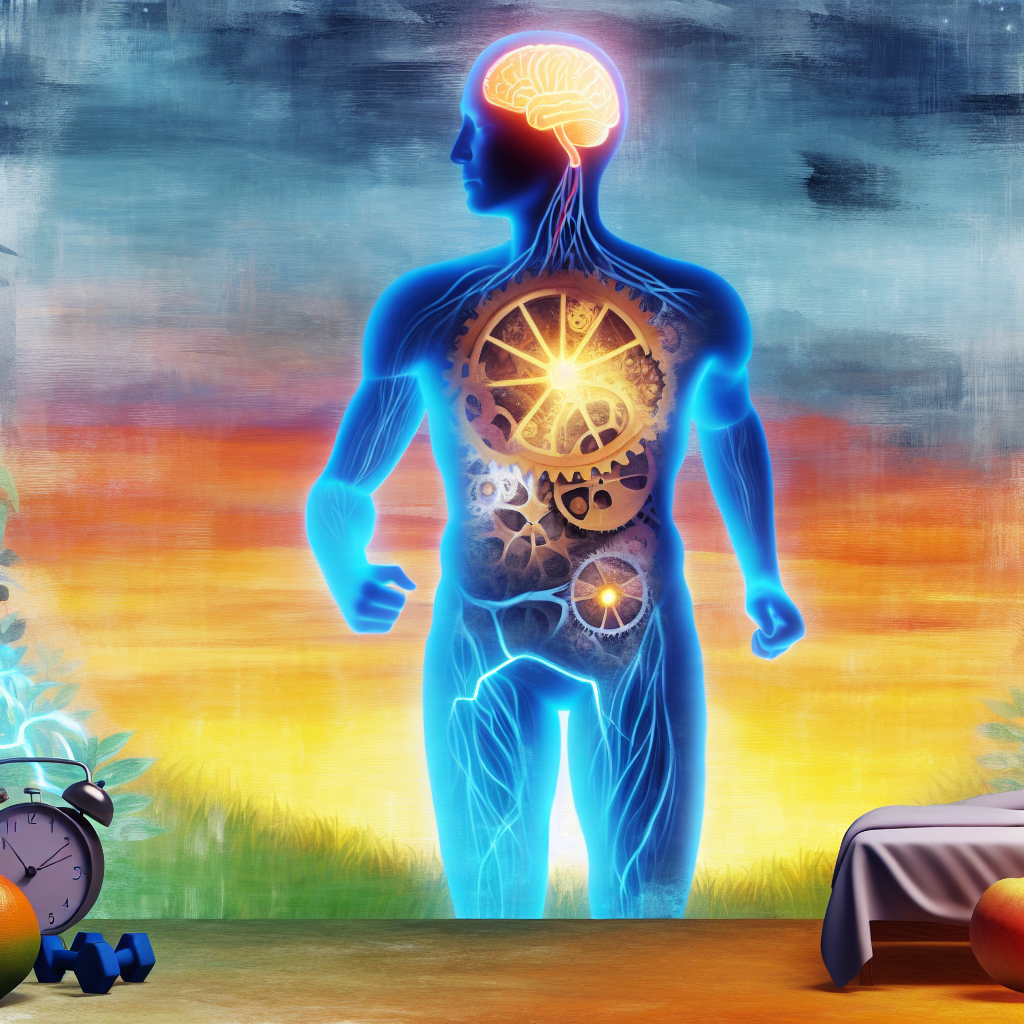
These 24-hour cycles form an integral part of our body’s internal clock, orchestrating not just our sleep-wake cycle but also affecting how we eat, digest, and even think. Circadian rhythms help regulate our immune functions and body temperature, syncing our internal processes with the external world.
How Your Biological Clock Shifts With Age
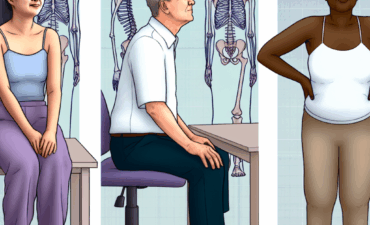
As we age, our internal clocks tend to tick differently. Many older adults find themselves battling with advanced phase syndrome, where they feel sleepy earlier in the evening and wake up at the crack of dawn. This shift impacts everything from when our body decides to release hormones to how it metabolizes drugs, underscoring the need to adapt our routines as we age to maintain optimal health.
The Fitness Factor
Synchronizing Exercise with Your Biological Clock
Did you know that the timing of your workout can be just as crucial as the exercise itself? Studies suggest that late afternoon is the prime time for peak muscle function and enzyme activity, making it ideal for strength training. So, if you’re planning to hit the gym, perhaps schedule it when your body is naturally more prepared to perform.
Nutrition and Your Biological Clock
Chrononutrition—Eating in Sync with Your Clock
It’s not just what you eat, but when you eat that matters. Aligning your meal times with your circadian rhythm can boost your metabolism and aid in weight management. For older individuals, consuming heavier meals earlier in the day when your digestive system is more robust—and lighter ones as the day winds down—can be particularly effective.
Mastering Sleep at Any Age
Sleep Strategies for a Healthy Biological Clock
Adapting to an earlier bedtime and wake-up schedule as you age can significantly enhance the quality of your sleep. Implementing habits such as reducing evening exposure to blue light from screens and keeping a consistent sleep schedule can dramatically improve your sleep quality.
Lifestyle Adjustments and Tools
Tools to Help You Tune In to Your Biological Clock
In our tech-savvy world, a plethora of gadgets and apps are available to help you monitor and optimize your circadian rhythms. Think wearable fitness trackers that monitor sleep patterns or smart light bulbs that simulate sunrise and sunset to help regulate your sleep-wake cycle.
Conclusion
Getting in tune with your biological clock can do more than just improve your sleep—it can enhance your entire well-being. From tweaking your diet to optimizing your workout schedule, understanding your circadian rhythms can lead to a healthier, more energized you. As you age, these adjustments become increasingly crucial in maintaining vitality and zest for life.
Ready to make a change? What’s one simple adjustment you could experiment with this week to better synchronize with your biological clock?