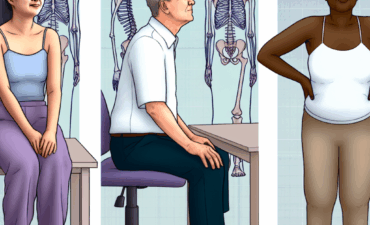
Navigating the Tides of Change: How Testosterone Affects Women in Midlife
Have you ever felt like your body’s not quite keeping up with your youthful spirit as you step into your 50s? Maybe you’re struggling with wavering energy levels, a mysterious drop in your sex drive, or mood swings that remind you of your teenage years. While estrogen might be the usual suspect for these midlife changes, testosterone is often the unsung hero—or culprit—behind the scenes.
That’s right, testosterone isn’t just significant for men. This hormone plays a critical role in women’s health too, influencing everything from bone density to brain function. So, let’s unpack the mystery of how testosterone changes affect women in midlife and explore ways to manage these shifts gracefully.
Understanding Testosterone in Women
What is Testosterone and Why Should Women Care?
Commonly dubbed the “male hormone”, testosterone is vital for women as well. It supports muscle mass, maintains healthy pain response, regulates mood, and yes, fuels sex drive. Typically, women experience a peak in testosterone levels in their early 20s, which then gradually declines with age.
Testosterone’s Tour of Duty: From Libido to Bone Density
In women, testosterone is not just about sexual prowess; it’s about power—the power to energize, to stabilize, and to keep bones robust. Here’s how testosterone serves you:
- Libido: Testosterone revs up your sexual desire and satisfaction.
- Energy levels: It fuels your energy, helping you tackle everything from workouts to work presentations.
- Muscle strength: It keeps your muscles from waving the white flag as you age.
- Bone health: It’s a cornerstone for strong bones, reducing the risk of osteoporosis.
- Mood regulation: It helps stabilize mood, keeping those inexplicable bouts of melancholy at bay.
The Midlife Shift: Testosterone Changes and Their Symptoms
The Decline of Testosterone: Timing and Triggers
As women enter perimenopause and menopause, typically around their late 40s to early 50s, testosterone levels begin a gradual descent. This decline can be exacerbated by factors such as surgery, like hysterectomies, or certain medications.
Decoding Symptoms: When Testosterone Leaves the Building
How do you know if your testosterone levels are taking a nosedive? Here are some telltale signs:
- Decreased muscle mass and increased body fat
- Reduced energy levels
- Mood swings or increased anxiety
- A dimmed libido
Testing and Diagnosis
When to Test and What to Expect
If you’re experiencing several of the symptoms above, it might be time to talk to your healthcare provider about testing your testosterone levels. This typically involves a simple blood test. Understanding your testosterone levels can provide insights into various symptoms and help guide potential treatment options.
Treatment and Management Strategies
Hormone Replacement Therapy: Pros, Cons, and Considerations
Testosterone replacement therapy can be a game-changer for many women. It can help alleviate symptoms like fatigue, mood swings, and low libido. However, it’s not without its risks, including potential effects on cholesterol levels and heart health. Always discuss the benefits and risks with your healthcare provider.
Natural Boosters: Lifestyle Changes to Manage Testosterone Levels
Besides medical interventions, certain lifestyle changes can help manage testosterone levels:
- Diet: Focus on protein-rich foods, healthy fats, and avoid excessive sugar and processed carbs.
- Exercise: Engage in weight training and resistance exercises—these can help boost testosterone production.
- Sleep: Aim for 7-9 hours per night to help regulate hormone production.
- Stress reduction: Activities like yoga, meditation, or even simple breathing exercises can help manage stress and thereby support hormone balance.
Conclusion
As you ride the waves of midlife, understanding the role of testosterone in your body can be your guiding star. It’s not just about weathering hormonal storms but learning how to harness this knowledge to thrive. Whether you opt for hormone therapy, make lifestyle changes, or simply become more informed, taking charge of your hormonal health can lead to a smoother, more joyful journey through midlife.
Are you ready to take control of your health and embrace these changes with confidence and curiosity? What first step will you take on this journey to better hormonal balance?