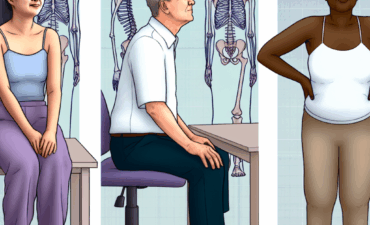
Why Relearning to Breathe Can Add Years to Your Life
Think back to your last stressful moment—chances are, your breath was shallow, fast, almost forgotten. In the hustle of modern life, many of us have forgotten how to breathe deeply, the way we did as babies. But what if the secret to not just surviving but thriving could be as simple as breathing? Let’s explore how diaphragmatic breathing not only calms the mind but could also add years to your life.
The Science of Breathing Deeply
Understanding Diaphragmatic Breathing
Diaphragmatic breathing, also known as belly breathing, involves engaging the large muscle at the base of your lungs. This type of breathing facilitates a full oxygen exchange, a beneficial swap of incoming oxygen for outgoing carbon dioxide, which is far more efficient than the shallow breaths we default to when stressed.
The Physiological Impact
Deep breathing does more than just help you relax; it enhances your overall health by improving organ function and lowering blood pressure. Key takeaway: Regular diaphragmatic breathing can lead to better cardiovascular health and a more efficient body.
Breathing and the Nervous System
Calming the Nervous System
Our nervous system has two main parts: one that revs us up (sympathetic) and one that calms us down (parasympathetic). Diaphragmatic breathing activates the latter, helping to reduce stress and allow our bodies to heal and maintain themselves more effectively.
Stress, Anxiety, and Emotional Well-being
Stress can wreak havoc on our bodies, speeding up aging and contributing to disease. By reducing cortisol levels, the stress hormone, deep breathing not only helps manage anxiety but also improves overall mood. Remember, feeling better often leads to living longer.
Longevity and Diaphragmatic Breathing
Breathing Your Way to a Longer Life
Managing stress doesn’t just make you feel better; it could also extend your life. Deep breathing improves sleep, enhances brain function, and may even help prevent age-related diseases. It’s a simple practice with profound benefits.
Neurological Benefits
Better breathing leads to increased blood flow to the brain, which can keep our minds sharp and potentially stave off cognitive decline. It’s like giving your brain a mini spa day, every day.
Practical Guide to Diaphragmatic Breathing
How to Incorporate Deep Breathing into Your Daily Routine
Mastering your breath is like learning to ride a bike—it becomes second nature with practice. Here’s how to start:
- Find a comfortable position sitting or lying down.
- Place one hand on your chest and the other on your belly.
- Breathe in slowly through your nose, feeling your stomach rise more than your chest.
- Exhale slowly, engaging your abdominal muscles to expel all the air.
- Repeat and gradually build this practice into a daily routine.
Exercises and Techniques
To strengthen your diaphragm, try exercises like blowing up a balloon or practicing sighing deeply. Integrating mindfulness or meditation with these practices can enhance the calming effects and help make deep breathing a staple of your wellness regimen.
Conclusion
Diaphragmatic breathing is more than just a way to relax; it’s a gateway to a healthier, longer life. With such simple steps, why not harness the power of your breath? Challenge yourself: commit to ten minutes of diaphragmatic breathing each day for the next month. Could this simple change breathe new life into your days? Let’s find out together.