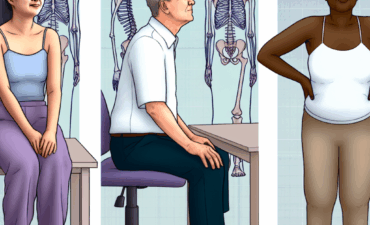
How Fast Does Muscle Loss Occur After 40? Understanding Sarcopenia
Introduction
Ever found yourself panting after a flight of stairs and wondering, “Is this what my 40s are meant to feel like?” You’re not alone. This common experience is often a wake-up call related to a condition known as sarcopenia—the natural decline of muscle mass as we age. It’s not just an issue of strength; sarcopenia can significantly affect your quality of life and independence. Let’s dive into why this happens and explore strategies to keep our muscles strong and supportive, no matter the number of candles on our birthday cake.
What is Sarcopenia?
Sarcopenia is the progressive loss of skeletal muscle mass and strength, primarily due to aging. This condition doesn’t just make it harder to open a jar or lift a grocery bag; it impacts balance, strength, and endurance, leading to an increased risk of falls and decreased mobility. Starting as early as our 30s and accelerating after 50, sarcopenia can sneak up quietly but have loud impacts on how we live our daily lives.
The Science Behind Muscle Loss After 40
After 40, our bodies face a downhill battle with muscle preservation, influenced by declining hormone levels and a slower rate of protein synthesis. These biological shifts mean our muscles are not only less likely to grow, but they repair more slowly. Lifestyle also plays a critical role; for instance, a sedentary routine can accelerate muscle loss, while staying active can help preserve muscle mass and function. Understanding these factors is key to combating muscle loss effectively.
Slowing Down the Clock: Diet and Nutrition
The right nutrients can be powerful allies against muscle loss. Protein is crucial for muscle maintenance, and older adults should aim for 1.2 to 1.5 grams per kilogram of body weight daily. Vitamins and minerals also play supportive roles:
- Vitamin D and Calcium: Essential for bone health, which in turn supports muscular function.
- Omega-3 Fatty Acids: These help increase muscle protein synthesis and are found in foods like fish and flaxseeds.
Adopting a balanced diet rich in these nutrients can significantly mitigate the effects of sarcopenia.
Staying Strong: Exercise and Physical Activity
Exercise is another cornerstone in managing sarcopenia, particularly strength training. Engaging in activities such as lifting weights or using resistance bands can greatly enhance muscle mass and strength. Seniors are recommended to incorporate strength training at least twice per week, complemented by cardiovascular exercises to boost overall muscle function.
Beyond Diet and Exercise: Other Factors Affecting Muscle Health
There’s more to muscle health than just diet and exercise. Quality sleep and stress management also play integral roles in muscle repair and overall well-being:
- Sleep: Muscle repair and growth occur during deep sleep, making quality rest essential.
- Stress Reduction: Chronic stress can lead to muscle breakdown, so incorporating stress-reducing practices like yoga or meditation is beneficial.
Current Trends and Innovations in Managing Sarcopenia
Recent years have seen exciting developments in sarcopenia research, from new supplements designed to enhance protein synthesis to innovative exercise equipment tailored for older adults. These advancements promise to make managing muscle health easier and more effective.
Conclusion
Understanding and actively managing sarcopenia is essential for maintaining a vibrant, independent life as we age. By integrating strength training, focusing on a nutrient-rich diet, and maintaining a healthy lifestyle, you can significantly slow down—and even reverse—muscle loss. Every step you take today towards these goals sets the foundation for stronger tomorrows.
What can you do today to build strength for the years ahead?