Combating Loneliness in Aging: Why Your Social Life Matters as You Grow Older
Have you ever noticed that the older you get, the fewer invitations you seem to receive? It’s not just your mailbox that’s feeling lonely. As we age, many of us tend to drift away from social circles, which can have a profound impact on our health and happiness. This article delves into the silent epidemic of loneliness among older adults, its detrimental effects on health, and how staying socially active can be your best defense against the aging blues.
The Silent Epidemic: Understanding Loneliness in Older Adults
Definition and Distinctions
Loneliness is a subjective feeling of isolation that isn’t necessarily about being physically alone. It’s the distressing feeling that accompanies discrepancies between desired and actual social relationships. Unlike solitude, a chosen form of being alone, loneliness feels like an imposed state that can lead to significant unhappiness.
Prevalence
It’s a misconception that loneliness is a rare occurrence in older adults. In fact, it affects a significant portion of the population over 60, influencing both mental and physical health.
Reasons for Loneliness
Retirement, the loss of family and friends, and physical limitations can all contribute to an increased sense of isolation as we age.
How Loneliness Chips Away at Your Health
Physical Health Risks
Did you know that feeling lonely can be as harmful to your health as smoking 15 cigarettes a day? Loneliness is linked to significant health risks such as cardiovascular disease and a weakened immune system.
Mental Health Impacts
The mind is equally at risk. Loneliness can accelerate cognitive decline and exacerbate risks of mental health conditions like depression and anxiety.
The Mortality Factor
Perhaps most alarmingly, loneliness has been linked to a 26% increase in the likelihood of mortality. This statistic underscores the critical nature of addressing loneliness as a public health issue.
The Biology Behind the Blues: Why Loneliness Hurts
Stress Response
Feeling isolated? This might be kicking your body’s stress response into overdrive, leading to disrupted sleep and a cascade of health issues.
Neurological Impact
Chronic loneliness can also leave its mark on your brain, affecting memory, executive function, and even your risk of Alzheimer’s disease.
Behavioral Consequences
Lonely individuals are more likely to neglect physical activity and indulge in unhealthy eating habits, compounding the risk of health issues.
Staying Connected: The Lifeline for Aging Well
The Power of Social Networks
It turns out that maintaining strong social connections could help you live longer and healthier. These relationships foster emotional support and can even encourage healthier lifestyle habits.
Quality Over Quantity
When it comes to relationships, quality trumps quantity. Meaningful interactions can provide greater benefits than numerous superficial connections.
Practical Ways to Combat Loneliness
Community Engagement
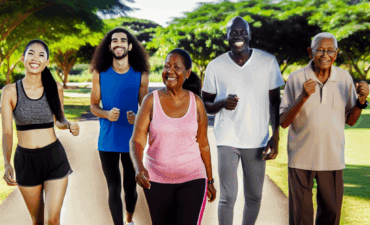
Getting involved in local community activities or clubs can be a game-changer for seniors looking to expand their social circles and enhance their daily lives.
Leveraging Technology
Modern technology offers a bridge over the gap of physical distance, enabling older adults to stay connected with family and friends through social media and video calls.
Structured Programs and Initiatives
Many communities offer programs specifically designed to reduce isolation among seniors. These can range from group exercise classes to art workshops, providing both social interaction and new skills.
Conclusion: A Call to Stay Socially Active
As we’ve seen, loneliness is not just a trivial matter—it’s a significant health risk that increases with age but can be mitigated with effort and awareness. Let’s not underestimate the power of a phone call, a coffee date, or joining a new club. After all, maintaining social connections not only enriches our lives but could very well extend them.
Engagement Element:
Think about your own social habits: when was the last time you reached out to an old friend or made a new one? What can you do this week to bridge the gap of loneliness either for yourself or someone else? Share your stories and strategies with us and let’s inspire each other to stay connected!