The Best Workouts for Longevity: Do They Change After 50?
Think of your body like a fine wine—it gets better with age, but only with the right care. Gone are the days when turning 50 meant slowing down. In fact, this can be your time to shine with a tailored workout regimen that adapts to your evolving needs. Let’s dive into how you can tweak your fitness habits to boost both longevity and quality of life as you age.
Understanding Aging and Exercise Needs
Physiological Changes with Age
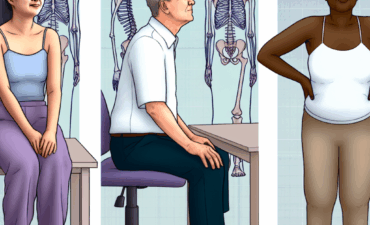
Our bodies undergo several changes as we age: muscle mass declines, bone density decreases, and recovery times increase. These are due to hormonal shifts and a slowdown in cellular repair. Understanding these changes is crucial to adapting your exercise routine for optimal health.
Psychological and Cognitive Benefits
It’s not just your body that benefits from regular exercise. Physical activity is a powerhouse for mental health, helping to keep depression at bay and cognitive functions sharp. So, a healthy body and a healthy mind are mutually inclusive as we age.
Adapting Exercise Routines Post-50
Strength Training
As the years add up, so does the importance of strength training. It’s vital for maintaining muscle mass and supporting metabolic health. Opt for safer, age-appropriate options like resistance bands or light dumbbells to maintain strength without stressing the joints.
Cardiovascular Health
Low-impact sports like swimming, cycling, or brisk walking are perfect for keeping the heart robust without overstraining the body. Regular, gentle cardio is key to cardiovascular health post-50.
Flexibility and Balance
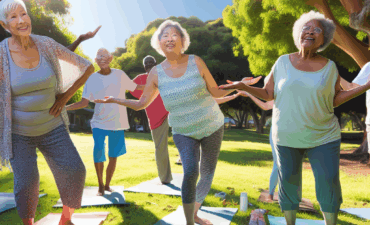
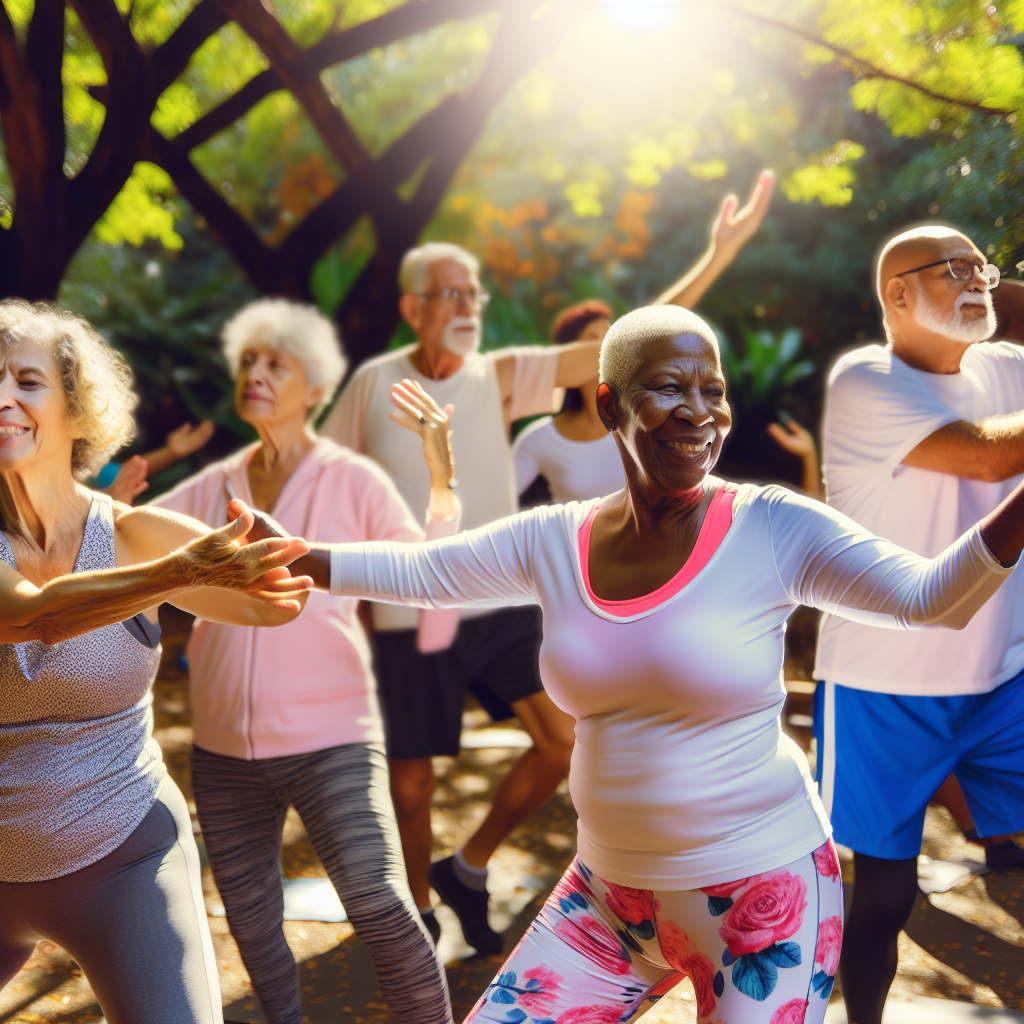
Practices like yoga or Tai Chi not only enhance physical stability and prevent falls but also offer mental health perks by helping to manage stress and enhance overall mood.
Popular and Emerging Fitness Trends for Those Over 50
Technology in Fitness
Embracing fitness technology can be a game-changer. Fitness apps and wearables help monitor health metrics, providing feedback that can be crucial for staying on track with your health goals.
Community and Social Aspects
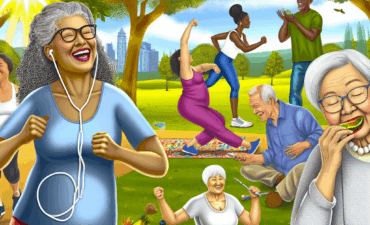
Participating in group fitness classes specifically designed for older adults is a fantastic way to stay active and connect with peers. The combination of social interaction and structured exercise is a powerful motivator.
Practical Guidelines for Longevity Workouts
Routine Recommendations
- Frequency: Aim for at least 150 minutes of moderate-intensity aerobic activity or 75 minutes of vigorous activity each week.
- Intensity: Exercise at an intensity that feels challenging yet sustainable.
- Variety: Incorporate strength, balance, and flexibility exercises into your routine.
Professional Guidance and Safety Tips
Always consult with a healthcare provider or fitness professional before starting a new exercise regimen, especially if you have existing health concerns. The goal is to enhance health and enjoyment of life, not to challenge the world’s strongest senior records.
Conclusion
Adapting your workout routine as you age is not about limiting yourself; it’s about modifying your approach to suit your body’s changing needs. With the right strategies, you can enjoy robust health and vitality for years to come.
Think about this: What new activity could you incorporate into your routine that might not only benefit your physical health but also bring you joy? Are there community resources or technologies that you’ve been curious to try but haven’t yet taken the plunge? Let’s inspire each other to keep moving, exploring, and thriving at any age.