How Your Immune System Changes as You Age
Imagine you’re at a lively family reunion, dodging cheek pinches and indulging in the potluck spread. You’re having a great time, but then you find yourself sniffling while the kids run around unscathed. It’s not just bad luck; as we age, our immune system doesn’t fend off invaders like it used to. This phenomenon, known as immunosenescence, coupled with inflammaging, significantly impacts how our bodies respond to pathogens and diseases. But don’t worry, this article isn’t just about doom and gloom. It’s packed with actionable tips and insights on powering up your immune system through diet, lifestyle, and more, so you can keep attending those family events without fear of the common cold.
Understanding Immunosenescence
Immunosenescence refers to the natural weakening of the immune system as we age. This decline isn’t just about catching colds; it also impacts how effectively vaccines protect us and increases our risk for serious diseases. The immune cells, like T-cells and B-cells, become less effective, and the thymus, which produces these cells, shrinks over time.
Nutritional Allies for Immune Support
Supporting your immune system starts on your plate. Here are some nutrient superheroes you should be including in your diet:
- Vitamin C & D: Essential for immune defense, these vitamins support various cellular functions of the adaptive immune system. Load up on citrus fruits, bell peppers, and leafy greens for Vitamin C, and don’t forget to step outside for some Vitamin D from sunlight, or find it in eggs and fortified foods.
- Zinc and Selenium: These minerals act like a shield, protecting you from infections. Meat, shellfish, and nuts are packed with these essential nutrients.
Don’t forget your gut health, either. A substantial part of your immune system is housed in your gut, so maintaining a balanced gut microbiome is crucial. Include plenty of probiotics and prebiotics in your diet, found in foods like yogurt, sauerkraut, and bananas.
Lifestyle Factors Impacting Immune Health
The Power of Sleep
Never underestimate a good night’s sleep! Quality sleep each night enhances immune memory, which is vital for an effective immune response. Adults should aim for 7-9 hours of restful sleep per night.
Movement Matters
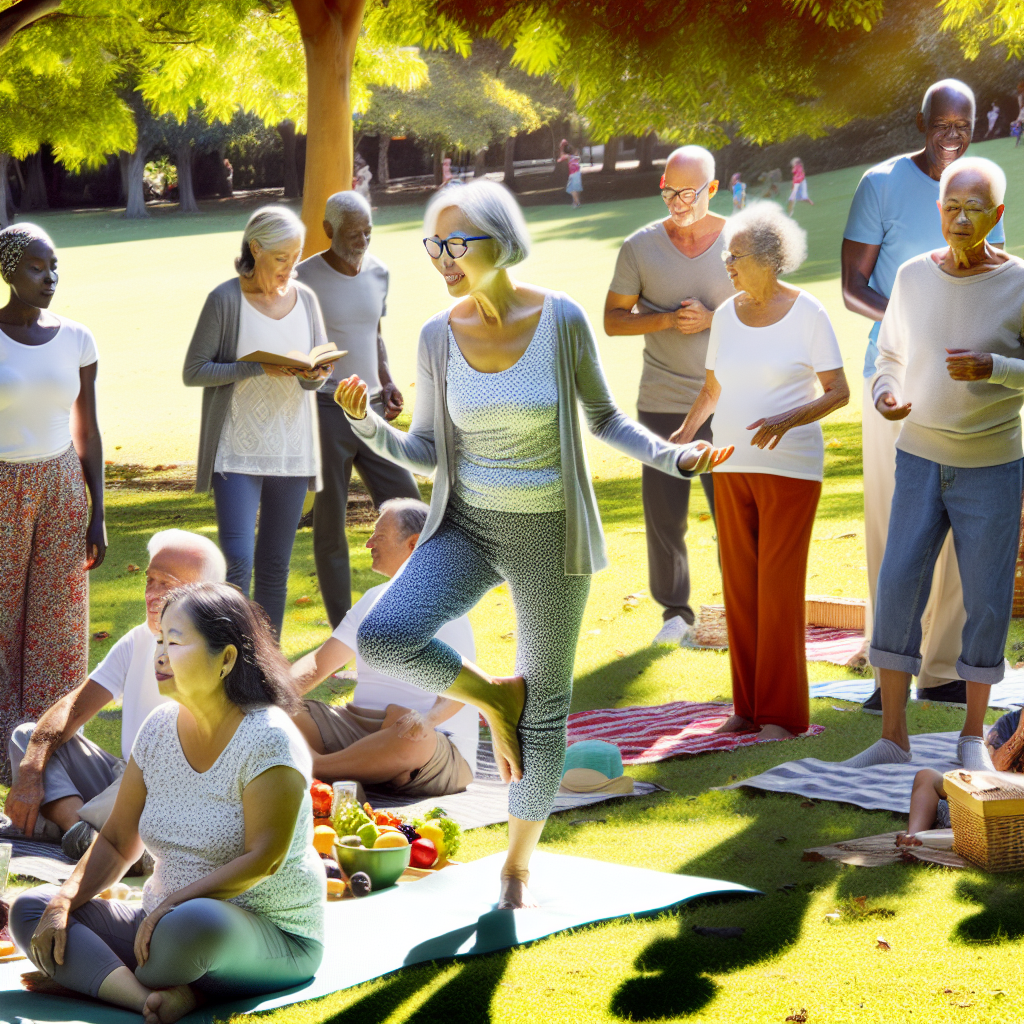
Physical activity isn’t just good for your muscles; it’s vital for your immune system too. Regular exercise helps immune cells regenerate more effectively. Aim for activities like brisk walking, yoga, or swimming, which are especially beneficial as they are gentle on aging joints.
Managing Stress
Chronic stress can wreak havoc on your immune system. Engaging in stress-reducing practices such as mindfulness, yoga, or simply enjoying your favorite hobbies can keep your immune system in fighting shape.
Current Trends in Immune Health for Seniors
The world of healthcare is embracing personalized nutrition and integrative approaches more than ever. Tailoring your diet to your genetic needs can boost your immune function, and combining traditional and alternative medicine can offer comprehensive health benefits.
Conclusion
The key to thriving in your later years isn’t just about avoiding illness; it’s about actively fostering a robust immune system. Whether it’s tweaking your diet, fitting in regular exercise, or ensuring you’re getting enough sleep, every little bit counts. Your immune system is your body’s defense secretary; it’s worth investing in.
Reflect on your current lifestyle: What small change can you implement this week to give your immune system a boost? Maybe it’s swapping your midday coffee for a brisk walk, or choosing an orange over a snack bar. Whatever it is, small steps can lead to big health benefits. Let’s make those golden years shine brighter and healthier!