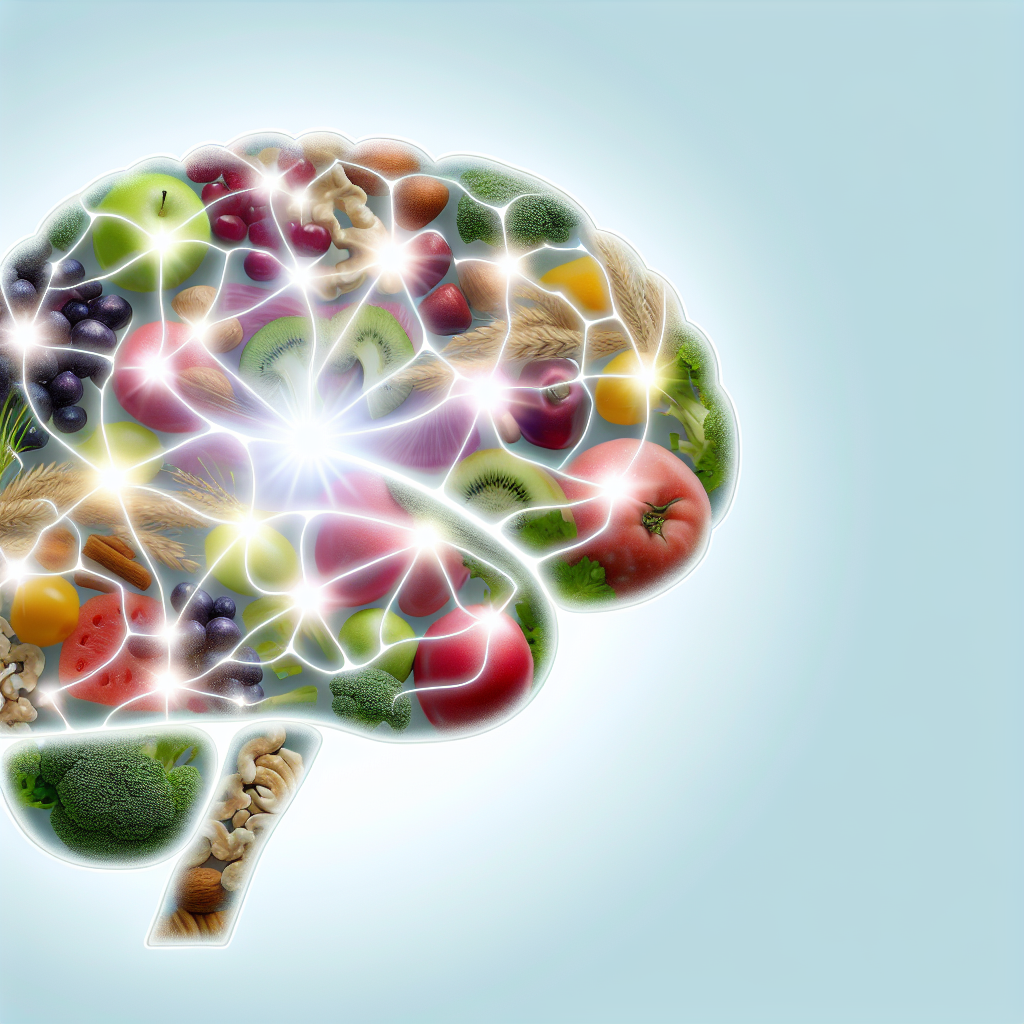
Can You Train Your Brain to Crave Healthy Foods? The Science of Food Psychology
Ever find yourself daydreaming about kale instead of cookies? No? Well, what if you could tweak your brain’s settings to make that a reality? Believe it or not, the science of food psychology suggests that it’s not only possible but entirely within your grasp. Let’s dive into how your brain’s wiring can be influenced to make those healthy food cravings a reality, transforming the dreaded choice between broccoli and brownies into a no-brainer.
The Science Behind Food Cravings
Food cravings are not just about a lack of willpower; they are complex emotional and physiological reactions. At the heart of these cravings is the brain’s reward system. When you indulge in your favorite treat, your brain releases dopamine, a neurotransmitter that makes you feel good, reinforcing the desire to seek out this pleasure again. This system can unfortunately lead to the reinforcement of unhealthy eating habits if high-fat or high-sugar foods are your go-to treats.
Rewiring Your Brain with Dopamine
Can we get dopamine to cheer on healthier food choices? Absolutely! It’s about creating positive food experiences with nutritious choices. Here’s how you can start:
- Introduce healthier options that you already enjoy into your regular meals.
- Reward healthy choices with enjoyable activities, reinforcing the behavior.
Key takeaway: Over time, your brain can begin to associate these healthy choices with dopamine release, subtly shifting your cravings.
The Power of Meal Timing
Eating at consistent times throughout the day can help stabilize your blood sugar levels, which in turn, can curb those urgent, often unhealthy cravings. Synchronizing your meals with your body’s natural clock can also optimize your metabolism and support overall health.
Mindful Eating: A Game Changer
When was the last time you really paid attention to your meal? Mindful eating is about fully experiencing the taste, texture, and pleasure of eating, which can fundamentally change your relationship with food. Get started with these steps:
- Savor your food without distractions like TV or smartphones.
- Listen to your body’s hunger and fullness signals, and act on them.
Key takeaway: Mindful eating helps break the automatic association between comfort and unhealthy food, rewiring your brain to enjoy healthier options.
Educational and Behavioral Approaches
Understanding the impact of different foods on your body can also inspire healthier choices. For example, knowing that antioxidants in berries can support brain health might make a fruit salad more appealing than a slice of cake. Here’s how cognitive-behavioral strategies can change your eating habits:
- Identify and modify negative thoughts that lead to poor eating choices.
- Plan your meals ahead to avoid last-minute, less healthy decisions.
Overcoming Challenges and Setbacks
Transforming eating habits is a journey filled with ups and downs. It’s crucial to stay committed and bounce back from setbacks when they happen. Remember, each meal is a new chance to make healthier choices. Support from nutritionists or psychologists can also be invaluable in navigating this path.
Conclusion
Changing your brain’s craving settings from junk to gems might seem like a tall order, but with the right techniques and understanding, it’s entirely achievable. By leveraging the latest insights from food psychology, you can pave the way for not just a healthier diet, but a healthier life.
Think about this: What if your next snack could be both delicious and nutritious? Which of these strategies will you use to transform your cravings today?