How to Protect Your Liver as You Age (And Why It Matters)
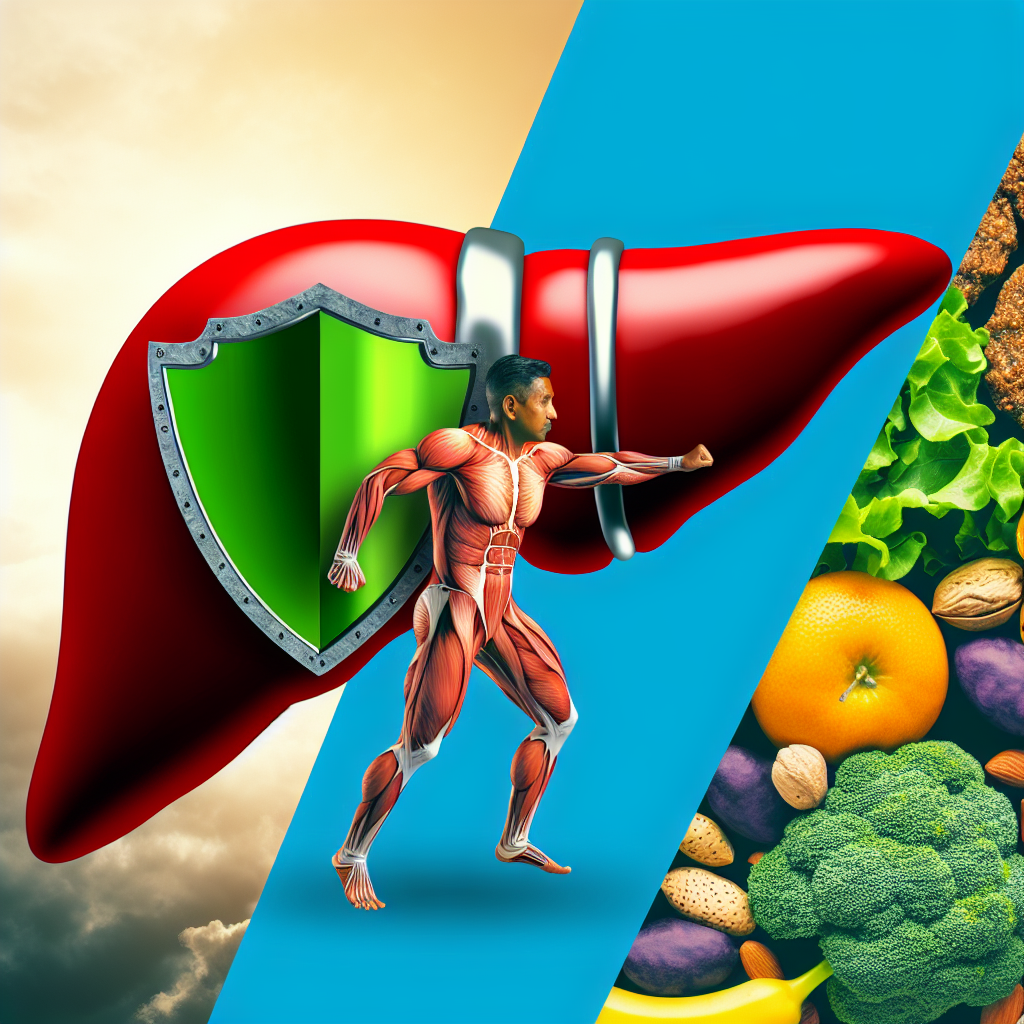
Imagine your liver as the unsung hero in the blockbuster movie that is your body: tirelessly fighting off villains like toxins and balancing the scales of metabolism and digestion. But even heroes wear out, and as we age, our liver’s resilience can wane. So, how do we ensure this vital organ keeps up its heroic deeds as we collect more candles on our birthday cakes? Let’s explore some practical steps to keep your liver in superhero shape, no cape required!
Understanding the Liver’s Role in Your Body
What Does Your Liver Do?
Your liver is the multitasking wizard of your internal organs, handling crucial tasks like detoxifying your blood, producing proteins for blood clotting, and breaking down old or damaged blood cells. It’s also the chief in fat and carbohydrate metabolism and stores vitamins and minerals. Essentially, without your liver, your body’s ability to process nutrients and combat toxins would plummet.
Why Liver Health Declines with Age
With each passing year, our liver’s efficiency can begin to diminish. This isn’t just about aging but involves complex changes like decreased cell regeneration and an increased cumulative load of toxins from our environment and lifestyle choices. Add chronic conditions like diabetes or fatty liver disease to the mix, and it’s clear why maintaining liver health is crucial.
Dietary Strategies to Support Liver Health
Foods to Favor
- Leafy Greens: Spinach and kale, which help with liver detoxification.
- Nuts: Walnuts and almonds are packed with good fats that bolster liver health.
- Fatty Fish: Rich in omega-3 fatty acids, salmon and sardines can help reduce liver inflammation.
Foods to Avoid
Conversely, certain foods and substances can disrupt your liver’s functionality. Prominent offenders include excessive alcohol, which can lead to liver inflammation, and processed foods loaded with unhealthy fats and sugars, contributing to fatty liver disease.
Lifestyle Changes for Liver Longevity
Keep Moving
Exercise isn’t just for your muscles; it’s essential for your liver too. Regular activities like walking, cycling, or swimming can significantly improve liver function by helping to burn triglycerides and reduce liver fat.
Weight Management and Its Importance
Obesity is a direct fast track to liver issues like non-alcoholic fatty liver disease (NAFLD), making weight management through diet and exercise a pillar for liver health.
The Power of Supplements
Milk Thistle and Other Liver Helpers
Milk thistle is a popular supplement purposed to support liver health, thanks to its active ingredient, silymarin, which is touted for its antioxidant and regenerative properties. However, always consult your healthcare provider before starting any new supplement regimen.
Regular Health Checks and When to See a Doctor
Keeping Tabs on Liver Health
Regular health screenings and liver function tests are crucial for catching early signs of liver trouble. Symptoms like jaundice, abdominal pain, and chronic fatigue are telltale signs that require immediate medical attention.
Conclusion: A Liver-Friendly Future
From your first breath, your liver has been on the frontline, safeguarding your health. With thoughtful diet choices, regular exercise, and the right medical support, you can ensure this vital organ continues to function optimally. Today, why not consider what ‘liver love’ you might have been neglecting? What’s one change you can make this week to better support your liver? Let’s make those changes not just for our liver’s sake but for a healthier, happier future.