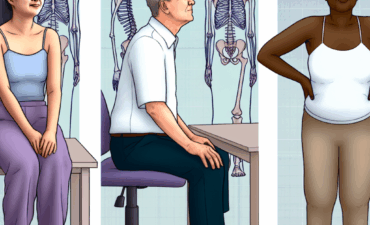
How to Improve Recovery Time as You Age
Ever wondered why a simple game of tennis or an afternoon gardening session leaves you feeling like you’ve run a marathon as you get older? It’s not just you, and it’s not all in your head. As birthdays pile up, so do the challenges in our bodies’ ability to recover quickly. But don’t hang up your sneakers just yet! In this article, we’ll dive into why recovery gets tougher with age and provide practical, science-backed strategies to enhance your recovery time—ensuring you feel ready to tackle your next adventure with gusto.
The Science of Slowing Down
As we age, several physiological changes can feel like they’re putting the brakes on our recovery processes. Muscle mass decreases, a condition known as sarcopenia, and our bodies produce less collagen, impacting our connective tissues’ elasticity. Hormonal changes also slow down crucial processes like protein synthesis, essential for muscle repair. While this might sound a bit gloomy, understanding these changes is the first step to countering them effectively.
Keep Moving to Stay Strong
Active recovery might sound like an oxymoron, but it’s a proven approach to faster recovery. It involves light physical activities that stimulate blood flow to help nutrients reach our muscles without causing further strain. Here are easy ways to incorporate active recovery into your routine:
- Choose activities you enjoy: Whether it’s yoga, swimming, or walking, enjoyment is key to consistency.
- Keep it regular but gentle: Incorporate light activities on your rest days to keep muscles active without overdoing it.
- Listen to your body: Adjust activities based on how you feel. Comfort is crucial.
The Power of Zzz’s
Good sleep is essential for effective recovery, yet as we age, our sleep patterns can change significantly. To enhance sleep quality—and thereby aid recovery—establish a regular sleep routine, keep your bedroom free from electronic distractions, and avoid stimulants like caffeine close to bedtime. Also, don’t underestimate the power of naps; they can be a great supplement to nighttime sleep, especially if kept short and sweet.
Fuel for Repair
Proper nutrition is crucial for optimal recovery. As we age, it’s essential to focus on protein for muscle repair, omega-3 fatty acids to reduce inflammation, and antioxidants to combat cellular damage. Integrating these nutrients into your diet isn’t just about what you eat—it’s about making meals enjoyable and feasible:
- Incorporate a variety of protein sources, like lean meats, fish, and legumes.
- Add omega-3-rich foods such as salmon, walnuts, and flaxseeds to your meals.
- Fill your plate with colorful fruits and vegetables to maximize antioxidant intake.
Water as a Wellness Tool
Staying hydrated is a foundational wellness practice, especially as our natural thirst mechanisms become less reliable with age. Aim for clear or light yellow urine as a sign of proper hydration and keep water accessible throughout your day.
Mind Over Muscle
Stress can significantly hinder your recovery by disrupting sleep and promoting inflammation. Adopt stress-reduction techniques such as mindfulness, meditation, or engaging in hobbies you love. Keeping your mind calm helps keep your body strong.
Conclusion:
Tackling the challenges of recovery as you age might seem daunting, but with the right strategies, it’s entirely feasible. By integrating active recovery, optimizing sleep, adjusting nutrition, staying hydrated, and managing stress, you’ll enhance your body’s ability to bounce back quicker. Reflect on these areas—where could you improve the most? Even small adjustments can lead to significant benefits.
Call to Action:
Take a moment to reflect on your current recovery habits. Are there changes you could make to enhance your recovery time? Share your thoughts or strategies in the comments below, and let’s inspire each other to keep moving and improving, no matter our age!