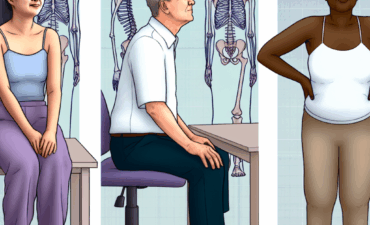
How Resistance Bands Can Keep You Strong for Life
Ever thought your fitness routine could use a Swiss Army knife? Meet the resistance band—your all-in-one tool for maintaining strength and flexibility as you age. It’s no secret that staying fit becomes more crucial, yet more challenging, as we get older. But who said it has to be a struggle? With resistance bands, you can keep your muscles robust and your joints happy, all from the comfort of your living room.
The Science of Aging and Exercise
Understanding Muscle and Bone Health as We Age
Our bodies naturally begin to lose muscle mass and bone density as we age, leading to decreased mobility and increased risk of falls and fractures. However, regular resistance training can significantly slow down these effects. This type of exercise stresses the muscles and bones, stimulating the growth of new tissue and helping to maintain strength and support in our bodies.
Why Choose Resistance Bands?
The Advantages of Resistance Band Training
While traditional weights are effective, they’re not always practical, especially for at-home workouts. Resistance bands, on the other hand, are lightweight, portable, and adaptable to all fitness levels. They enhance not only strength but also flexibility and balance—three keys to a healthy aging process.
- Adaptability: Suitable for beginners and experienced athletes alike, resistance bands can be adjusted to provide just the right amount of resistance.
- Joint Friendly: Their low impact nature reduces stress on joints, crucial for maintaining long-term mobility.
- Convenience: Easy to store and perfect for squeezing in a quick workout, anywhere and anytime.
Essential Resistance Band Exercises
Building a Routine with Resistance Bands
Here are some foundational exercises to start with, each targeting major muscle groups:
- Upper Body: Band pull-aparts, overhead presses.
- Lower Body: Squats, leg presses.
- Core and Back: Rotations, pull-downs.
Proper form is critical to avoid injuries—focus on slow, controlled movements and always warm up before starting your routine.
Crafting Your At-Home Resistance Band Routine
How to Stay Consistent and See Results
To effectively integrate resistance bands into your fitness regime, consistency is key. Aim for two to three sessions per week, incorporating exercises that cover all major muscle groups. As you progress, gradually increase the resistance of the bands or the number of repetitions and sets to keep challenging your muscles.
Combining resistance band workouts with other forms of exercise, such as walking or yoga, can provide a comprehensive fitness routine that promotes overall health and well-being.
Overcoming Common Challenges
Staying Motivated and Safe
It’s natural to face hurdles such as waning motivation or physical discomfort. Setting small, achievable goals can help maintain motivation, and keeping a workout diary can track progress and keep you engaged. If you experience discomfort, adjust your routine or consult with a healthcare provider to ensure your workout is appropriate for your fitness level and health status.
Listening to your body and making adjustments as needed is the key to a successful fitness journey.
Conclusion
Resistance bands are not just a fitness trend; they are a practical tool for sustaining strength, flexibility, and overall health as you age. They prove that effective workouts don’t require expensive equipment or trips to the gym; they just require the right approach and a little space in your living room.
So, why not give it a try? Start simple with a basic pull-apart or squat. Who knows? This might be the beginning of your newfound strength, or at least a good story about how you out-squatted your teenage self!
Have you incorporated resistance bands into your fitness routine yet? What changes have you noticed in your strength and mobility? Share your story and let’s inspire each other to keep strong and flexible, no matter our age!