How Nature Exposure Supports Longevity: Unveiling the Magic of “Green Exercise”
Remember the last time you took a stroll through a lush park or spent a weekend out in the wilderness? How did you feel? Refreshed, rejuvenated, and ready to take on the world, perhaps? That’s not just your vacation glow talking; there’s science behind the benefits of what’s fondly termed as “green exercise.” Today, we’re diving into how this delightful blend of nature and exercise can boost your longevity and overall well-being.
The Science Behind Nature and Longevity
Physiological Benefits
When you swap city streets for forest trails, your body thanks you. Engaging in physical activities outdoors has been shown to reduce blood pressure and heart rate, essential markers for cardiovascular health. Moreover, the calming nature scenes lower cortisol levels, our body’s stress hormone, leading to enhanced stress management. Not to stop there, green exercise plays a pivotal role in reducing inflammation, a notorious precursor to many chronic diseases.
Psychological Benefits
If you’ve ever felt a mood boost after a day in the sun, you’re not alone. Spending time outdoors significantly improves mental health, thanks to the increased production of serotonin, our body’s natural mood stabilizer. Studies suggest that regular exposure to nature can decrease the prevalence of depression and anxiety symptoms, making it a potent natural antidepressant.
Cognitive Benefits
But it’s not all about feeling good; it’s also about thinking better. Nature exposure has been linked to enhanced cognitive functions, including sharper attention, greater creativity, and better memory retention. So, if you’re looking for a brain boost, the path might just literally be through the woods!
Green Exercise: What Does It Involve?
Hiking
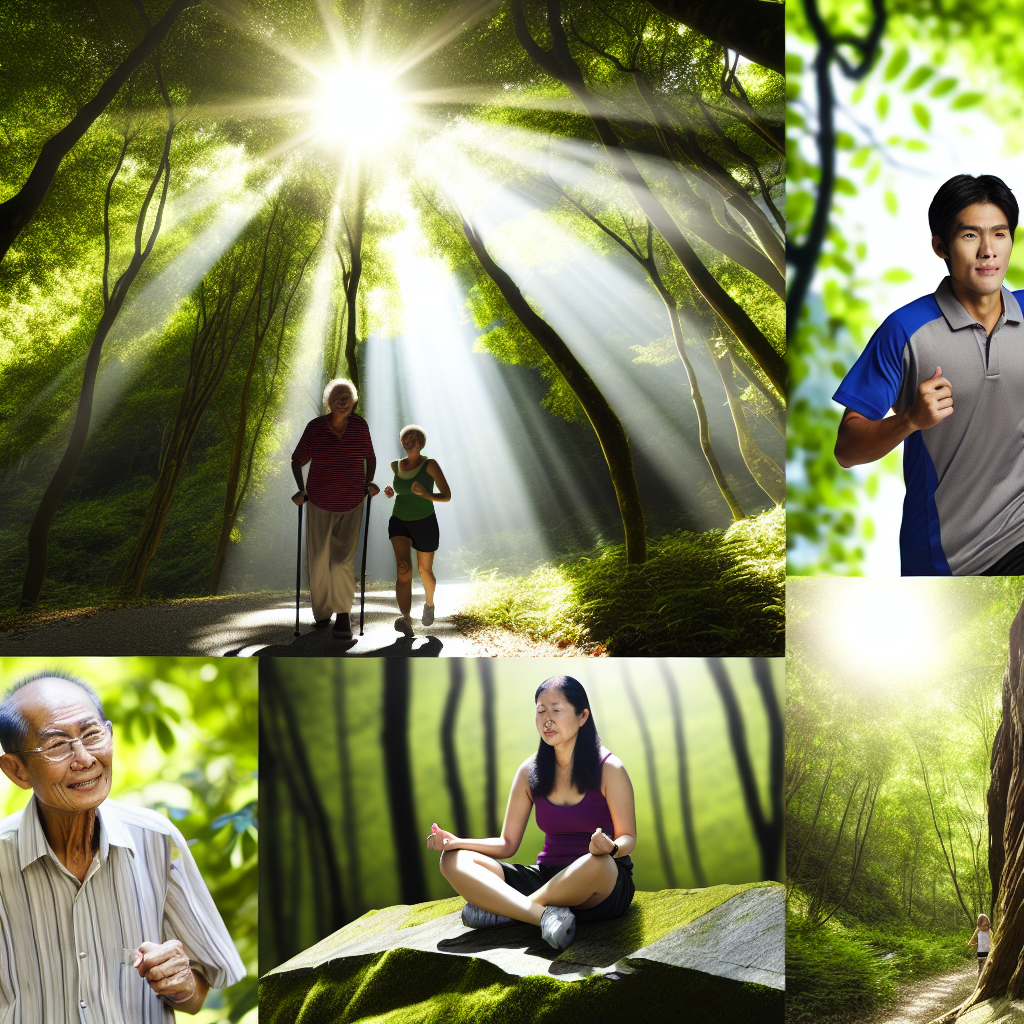
Hiking is not just an exercise for the body but also a feast for the eyes. Trails offer both cardiovascular benefits and the serene beauty of nature, making it a double win for health. From gentle slopes to challenging terrains, there’s something for everyone, making it a perfect family activity or a solitary escape.
Forest Bathing
Originating from Japan, forest bathing or ‘Shinrin-yoku’ involves immersively experiencing the forest atmosphere, and it’s renowned for boosting immune system functioning and reducing stress. Imagine that—trees could be your new stress relievers!
Outdoor Sports
Think beyond hiking and consider cycling, kayaking, and rock climbing. These sports not only promote physical fitness but also enhance emotional well-being, offering a fun alternative to your regular fitness routine.
Practical Tips for Integrating Nature Into Daily Life
For Urban Dwellers
City life doesn’t have to mean nature-free life. Urban parks are gems scattered around for your next lunch break escape. And for those times when the concrete jungle is too dense? Virtual reality and nature apps can simulate the serene effects of nature, making it accessible even from high-rise apartments.
For Older Adults
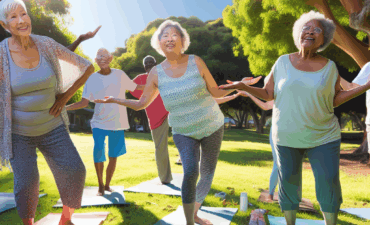
Engaging with nature doesn’t have to be strenuous. Gentle walks in the park or even gardening are great ways for older adults to stay connected with the natural world, helping maintain mobility and manage age-related health conditions safely.
Overcoming Barriers
Accessibility to natural spaces is not always equal. Urbanization, physical limitations, and adverse weather conditions can limit outdoor activity. However, integrating indoor plants, listening to nature sounds, and planning activities suitable for different weather conditions can help maintain a continuous engagement with nature.
The Future of Green Exercise
As awareness of the health benefits grows, trends like ecotherapy and prescriptions for nature activities are becoming more prevalent. It’s becoming increasingly likely that future health practices will include professional recommendations to spend time in nature regularly.
Conclusion
Whether it’s hiking through verdant trails, soaking in the calm of forest bathing, or simply enjoying a picnic in your local park, the benefits of green exercise are vast and varied. Reflecting on your last encounter with nature—how can you make such rejuvenating experiences a regular part of your life?
Call to Action: This week, take a small step toward integrating nature into your routine. Plan a nature walk, a short hike, or even a visit to a nearby park. Notice any changes in your mood and physical well-being. Could nature be your new best friend in the quest for health and happiness?