Introduction
Ever tried a dance move from your youth and realized your body wasn’t quite on board? After 50, our balance can start feeling more like a bad internet connection – occasionally laggy and unreliable. But it’s not just about embarrassing dance floor moments; maintaining good balance and coordination is crucial for preventing falls, which are no joking matter as we age. This article will guide you through understanding why balance declines, how to enhance it through exercise, and integrating balance-improving activities into your everyday life.
Understanding the Age-Related Decline in Balance and Coordination
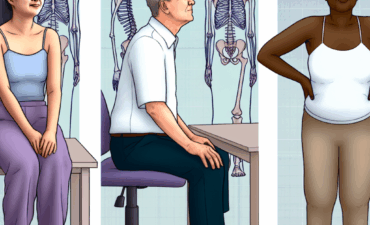
Physiological and Cognitive Changes: With age, muscles weaken, nerve conduction slows, and our brain’s processing speed can take a hit. These changes affect how well we maintain our balance and coordinate movements. Additionally, our proprioception – our body’s ability to sense its position in space – diminishes, making it even harder to navigate through a cluttered room without incident.
The Power of Exercise in Counteracting Decline
Strength Training: Lifting weights isn’t just for the young or the muscle-bound gym enthusiasts. For those over 50, it’s essential for maintaining muscle mass and improving neuromuscular coordination – both key to staying upright and stable.
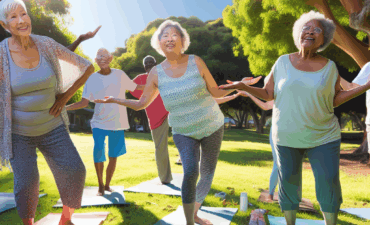
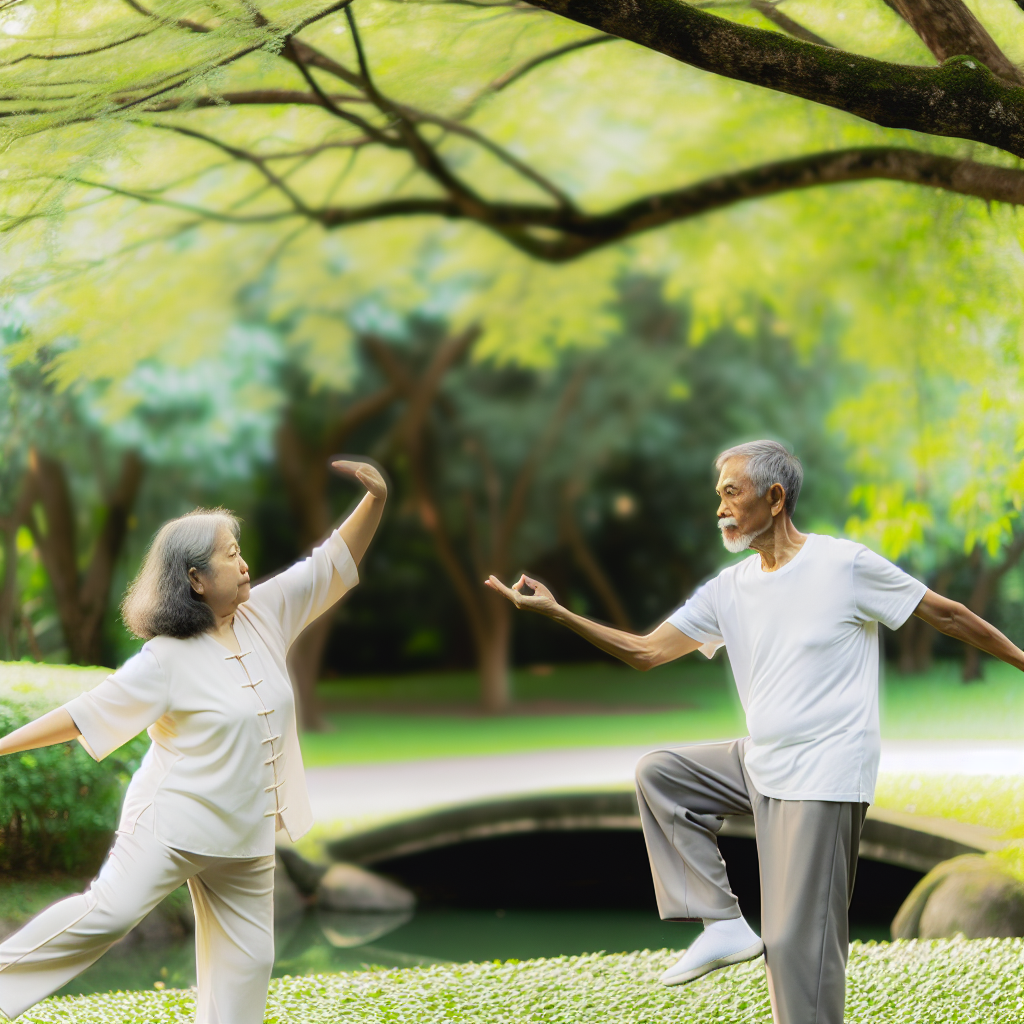
Balance-Specific Exercises: Tai Chi and yoga aren’t just trendy; they are potent tools for improving balance. The slow, deliberate movements of Tai Chi, for example, can significantly boost your stability.
Flexibility and Core Stability: Stretching and core exercises like planks help maintain your flexibility and strengthen the muscles around your midsection, crucial for good balance.
Training Proprioception for Better Stability
Enhancing proprioception is akin to tuning an instrument. Activities that challenge your body’s sense of position, like balancing on a wobble board or practicing Pilates, are excellent for sharpening this sense. Regularly engaging in these activities can make a considerable difference in how well you navigate physical spaces.
Practical Tips for Daily Life
Improving your balance can be seamlessly integrated into your daily routine. Here are some easy methods:
- While brushing your teeth, stand on one leg for 30 seconds, then switch to the other.
- Walk heel-to-toe whenever you move down a corridor or even when cooking in the kitchen.
- Use waiting time, like brewing coffee or waiting for the microwave, to perform simple standing exercises like calf raises.
Home Safety: Make small tweaks at home to enhance safety—secure loose rugs, improve lighting, and install grab bars in critical areas like the bathroom.
Leveraging Technology and Community Resources
Today’s technology offers incredible tools for monitoring and improving balance and gait. Wearable devices can provide feedback that helps you adjust your movements for better stability. Also, consider joining community classes designed for seniors, which focus on balance and coordination. These classes provide social interaction and structured support, making the process enjoyable and beneficial.
Conclusion
Staying balanced is not just about avoiding falls; it’s about maintaining your independence and living life to its fullest. By integrating strength training, balance exercises, and proprioception activities into your daily life, you can enhance your stability and move confidently into your later years. Remember, it’s never too late to start, and every small step counts.
So, what’s going to be your first step towards a more balanced life? Will you try a new class, or perhaps start a simple home exercise routine? Let’s make balance a priority, one steady step at a time!