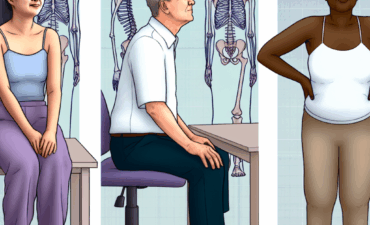
Unlock the Secret to Aging Strong: Why Muscle Mass Matters
Picture this: you’re the vintage car of your dreams, cruising majestically along life’s highways. What’s the secret to your performance and longevity? It’s not just the shiny exterior—it’s what lies under the hood! In our bodies, that powerhouse engine is our muscle mass. But here’s a catch: as we age, we start to lose this precious muscle, a process known as sarcopenia. It’s sneaky and can kick in as early as your 30s. But fear not, maintaining muscle mass is your ticket to a robust, vibrant old age.
Understanding Muscle Mass and Aging
What Happens to Our Muscles as We Age?
As years pass, our muscles gradually shrink and weaken in a natural yet impactful process. This muscle loss can significantly influence how we handle our daily chores and enjoy our leisure time. It’s estimated that adults lose 3% to 5% of their muscle mass each decade after age 30. Feeling heavier lifting those grocery bags? Blame it on declining muscle mass!
The Health Implications of Sarcopenia
Why Should We Worry About Losing Muscle?
Sarcopenia isn’t just about losing strength; it’s a major health spoiler, increasing the risk of falls, fractures, and a decreased quality of life. Muscle mass also plays a critical role in metabolic health, influencing insulin sensitivity and overall energy expenditure. Keeping muscles strong is essential for metabolic health and physical stability.
Preventing Muscle Loss with Nutrition
Fueling Muscle Maintenance
What you eat profoundly affects your muscle health. Proteins are the building blocks of muscle and maintaining a diet rich in high-quality proteins (think lean meats, fish, eggs, and legumes) is crucial. Adults should aim for 0.8 to 1 gram of protein per kilogram of body weight daily. Don’t forget the role of Vitamin D, Omega-3 fatty acids, and antioxidants, which support muscle function and combat inflammation.
Physical Activity’s Role in Maintaining Muscle Mass
Get Moving to Stay Strong
Lifting weights might sound daunting, but it’s one of the best ways to fight muscle loss. Integrating resistance training into your routine, whether it’s with weights, resistance bands, or body-weight exercises, can help maintain and even build muscle mass. Health guidelines suggest engaging in at least 150 minutes of moderate-intensity exercise or 75 minutes of high-intensity exercise weekly.
Lifestyle Factors and Hormonal Influences
Beyond Diet and Exercise
It’s not all about diet and gym time. Quality sleep and low stress are equally important for muscle health. Poor sleep can mess with your muscle recovery and growth hormone levels, while high stress can increase cortisol, leading to muscle breakdown. Managing sleep and stress is crucial for optimal muscle maintenance.
Integrating Muscle Health Into Everyday Life
Making Muscle Health a Lifestyle
Making these practices habitual is like setting up a retirement plan for your body. Consider joining community fitness programs for motivation and social interaction. Ensure regular check-ups to personalize these tips to your health needs.
In wrapping up, think of maintaining muscle mass not just as a strategy against sarcopenia but as a foundational pillar for a lively, vigorous old age. Each proactive step you take today contributes to a healthier, more active tomorrow. What will your next step be to fortify your life’s engine?