Loneliness and Its Effects on Biological Aging: More Than Just a Feeling
Ever felt lonely in a room full of people? It turns out, that gnawing sense of isolation might be doing more than just casting a shadow on your mood—it could be accelerating your aging process. In this exploration, we’ll uncover how those pangs of loneliness are not just emotional but have tangible effects on our biological clocks. So, let’s dive into the science behind why feeling connected might just be the secret fountain of youth we’ve all been searching for.
Understanding Loneliness and Biological Aging
Definition and Distinction
Loneliness transcends the mere absence of company. It is a subjective feeling that can occur even when surrounded by others. This emotional state is not just about the headcount around you but about meaningful connections. Biological aging, meanwhile, refers to the physical changes our bodies undergo over time, which can be exacerbated by chronic loneliness.
Scientific Mechanisms
When loneliness becomes a constant companion, it triggers a stress response in the body, leading to inflammation and hormonal imbalances. This biological turmoil can accelerate cellular wear and tear, particularly through the shortening of telomeres—those protective caps at the ends of our chromosomes that keep our DNA stable and healthy.
Physiological Impacts of Loneliness
- Immune System: A lonely immune system is a compromised one, skewing toward a pro-inflammatory state and reducing its efficacy against threats.
- Neurological Effects: Just as rust weakens metal, chronic loneliness can degrade neural pathways, increasing the risk of neurodegenerative diseases.
- Cardiovascular Risks: The heart takes loneliness quite literally, with increased risks of high blood pressure and heart disease linked to prolonged social isolation.
Psychological and Emotional Dimensions
Mental Health:
Loneliness doesn’t just feel bad, it’s bad for your mental health, fostering conditions such as depression and anxiety that feed into a cyclical pattern of isolation.
Perception vs. Reality:
The subjective experience of loneliness is a more significant health determinant than the actual amount of social contact. It’s the quality, not just the quantity, of your relationships that matters.
Counteracting the Effects of Loneliness
Community Engagement:
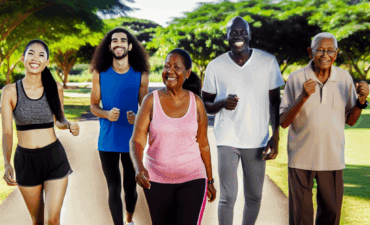
Active participation in community events or volunteering not only fills your social calendar but also fills your heart and boosts your health.
Technological Solutions:
While technology should not replace face-to-face interactions, it can enhance them. Regular video chats can help bridge the gap between personal encounters.
Physical Activity:
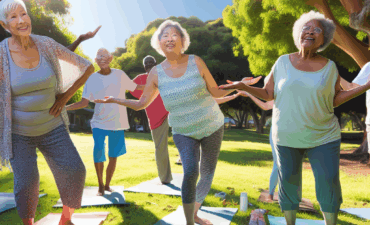
Joining a fitness group not only strengthens the body but also builds social bonds. Exercise can be both a physical and social workout.
Role of Policy and Healthcare Innovations
Public Health Strategies:
Future public health initiatives could focus more on creating spaces and programs that foster social connections, recognizing the profound impact loneliness has on health.
Healthcare Approaches:
Imagine a world where social prescriptions are as common as those for medication. Healthcare providers might begin incorporating social health into their patient care protocols.
Conclusion
Is loneliness making us age faster? The science suggests yes, but the good news is that it’s within our power to change. By nurturing our social lives, we can potentially slow the ticking of our biological clocks. Remember, adding life to your years is just as important as adding years to your life.
So, what will you do today to reconnect with someone or engage with your community? Could fostering connections be the overlooked elixir of youth? Reach out, engage, and maybe discover that the best anti-aging remedy is the company we keep.