Unlocking the Secrets to Restful Sleep After 50
Remember the days when you could snooze through a thunderstorm and still wake up feeling refreshed? If those memories now seem like a distant dream, you’re not alone. As we step over the threshold of 50, a good night’s sleep can start to feel like a rare commodity. But it doesn’t have to be this way. Let’s explore how you can turn the tide and enjoy deep, restorative sleep every night.
Understanding the Aging Sleep Cycle
How Sleep Changes After 50
It’s not your imagination—your sleep really has changed. After 50, the body spends less time in deep sleep, which is critical for physical rejuvenation and memory consolidation. Additionally, sleep becomes more fragmented, leading to those annoying middle-of-the-night awakenings. Understanding these changes can empower you to take control of your sleep health.
Common Sleep Challenges Faced by Seniors
Disorders such as insomnia and sleep apnea are not just inconvenient; they significantly disrupt life quality and are surprisingly common in older adults. For instance, more than half of older men experience symptoms of sleep apnea. Recognizing and treating these conditions are crucial steps towards better sleep.
Building Better Sleep Hygiene
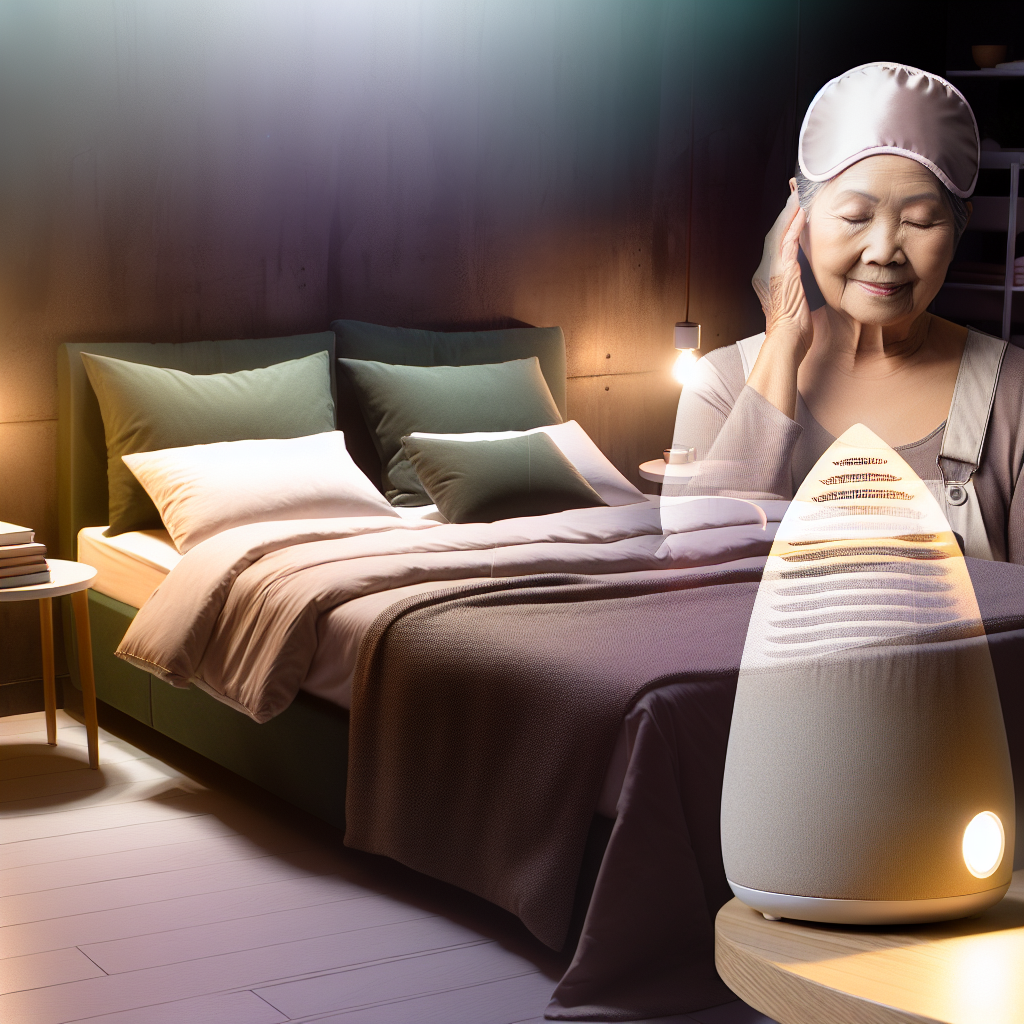
Creating a Sleep-Inducing Environment
- Embrace the dark: A dark, cool room is essential for signaling to your body that it’s time for sleep.
- Invest in your comfort: Quality bedding can transform your sleep experience.
- Consider a white noise machine: If silence eludes you, consistent, soothing background sounds can help.
The Ideal Pre-Sleep Routine
What you do before bed can profoundly affect your sleep quality. Engaging in calming activities like reading or gentle yoga can prepare your mind and body for sleep. Maintaining a consistent sleep schedule is also pivotal in improving sleep quality.
Nutrition and Exercise for Better Sleep
Eat to Sleep
Yes, your diet impacts your sleep. Foods rich in magnesium and potassium, like bananas and leafy greens, can enhance sleep quality. However, heavy meals and caffeine should be avoided close to bedtime as they can disrupt sleep.
Stay Active, Sleep Better
Regular activity can help you fall asleep faster and enjoy more profound sleep. However, timing is key—exercise too close to bedtime can be stimulating rather than relaxing. Find a routine that leaves you feeling invigorated during the day but calm by evening.
Technological and Natural Sleep Aids
Gadgets and Apps That Assist Sleep
While technology like sleep trackers can provide insights into your sleep patterns, it’s important not to become overly reliant on these devices. They are tools to assist, not solutions in themselves.
Natural Supplements for Sleep
Supplements such as melatonin and valerian root are popular for their sleep-promoting properties, but always consult with a healthcare provider before starting any new regimen to ensure they’re appropriate for your situation.
Psychological Health and Its Impact on Sleep
Stress, Anxiety, and Sleep
Mental health plays a huge role in sleep quality. Techniques like cognitive-behavioral therapy for insomnia (CBT-I) and mindfulness can significantly improve sleep by reducing stress and anxiety. Investing in mental health is investing in better sleep.
Conclusion
Adjusting to the sleep changes that come with age might seem daunting, but with the right strategies, you can enjoy restful nights and energetic days. Whether tweaking your diet, optimizing your bedroom environment, or managing stress, each small step can lead to significant improvements.
Reflect on your nightly routine. What one small change can you implement tonight to pave the way for better sleep? Or perhaps consider what myths about sleep have held you back from seeking a solution. Isn’t it time to take back your nights?