Understanding Your Biological Clock: A Guide to Tracking Biological Age
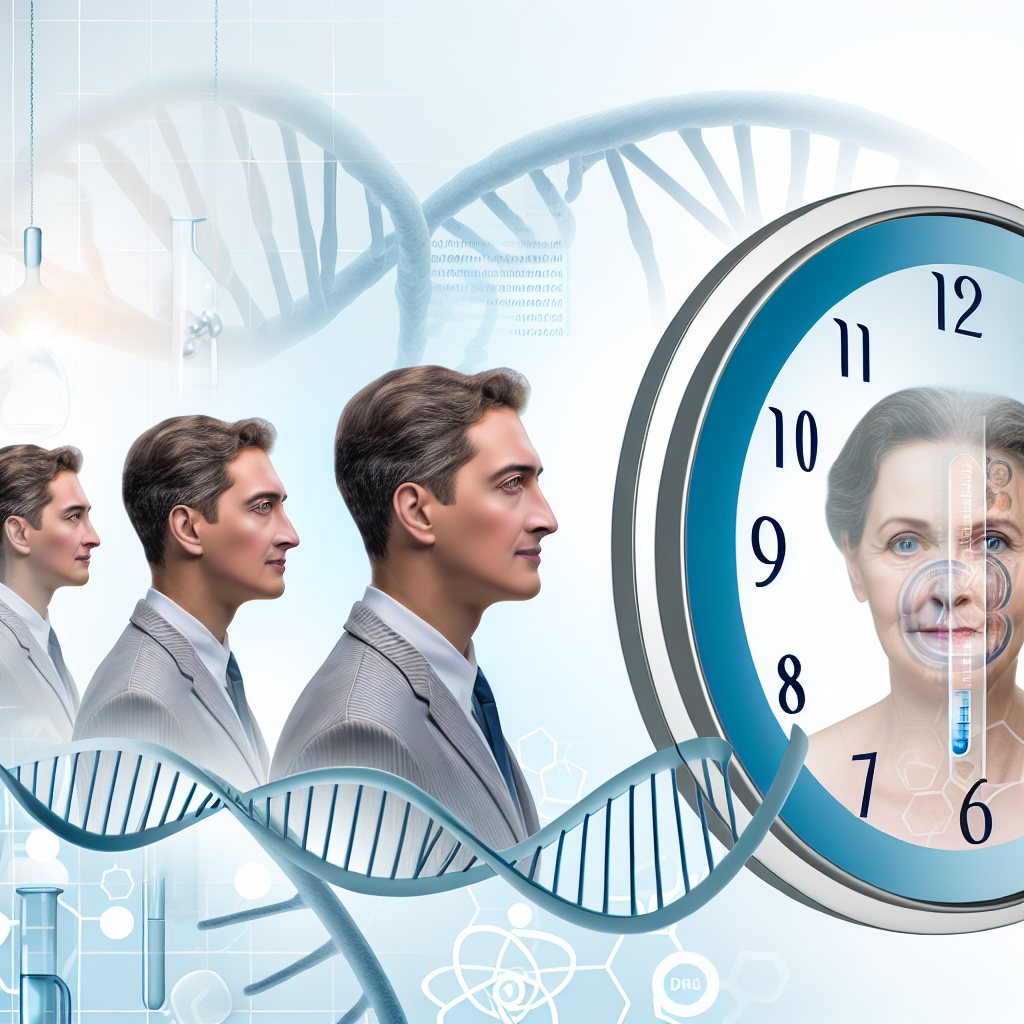
Ever wondered if you could really be 35 going on 25, or perhaps it feels more like the other way around? Forget counting the candles on your birthday cake; let’s dive into the fascinating world of what’s really ticking inside you. Your chronological age is just a number, but your biological age tells the true story of your body’s wear and tear. This article will explore the innovative tools and metrics that provide insights into your biological age, helping you to unlock secrets to healthier living.
The Science of Aging
What Really Happens as We Age?
Aging isn’t merely about hitting another birthday; it’s a complex series of biological processes that play out differently in everyone. Biological age is a measure of how well or poorly your body is functioning relative to your actual age. Key processes include telomere shortening, a decline in cellular function, and changes in gene expression that affect how our cells cope with the aging process.
Measuring Your Biological Clock
Tools of the Trade: How to Measure Biological Age
- Telomere Testing: This test measures the length of your telomeres, which correlate with cell aging and overall health.
- Epigenetic Clocks: Sophisticated tests that estimate biological age through patterns of DNA methylation.
- Biomarkers in Blood: Analyzing levels of hormones and inflammation markers can offer insights into your health and aging process.
- Proteomics and Metabolomics: These methods provide a detailed snapshot of your body’s proteins and metabolites, painting a broader picture of your biological health.
Trends and Innovations in Longevity Research
Staying Ahead of Time: Latest in Longevity Research
From senolytics—drugs that target and eliminate aging cells—to promising dietary interventions like intermittent fasting, modern science is continually uncovering ways to extend our health span. These advancements offer exciting possibilities for enhancing our quality of life as we age.
Practical Applications
Turning Back the Biological Clock: Practical Tips
- Diet and Nutrition: A diet rich in antioxidants can combat oxidative stress, a significant aging factor.
- Exercise: Regular physical activity, particularly strength training and cardio, can greatly reduce biological aging.
- Sleep and Stress Management: Prioritizing quality sleep and effective stress management are crucial for slowing the aging process.
- Regular Screening and Tests: Monitoring your biological age can help customize your personal health strategies.
The Future of Aging
What’s Next in the World of Anti-Aging?
Looking forward, advancements in gene therapy and regenerative medicine are on the horizon, potentially allowing us not just to slow aging but to reverse certain aspects. However, these possibilities come with ethical dilemmas and societal implications that will require careful consideration.
Conclusion
Understanding and monitoring our biological age can offer profound insights into our health and longevity. By utilizing the latest tools and embracing scientifically backed lifestyle changes, we can influence our aging process in meaningful ways.
What steps will you take today to uncover the mysteries of your biological age? Could a tweak in your diet, a new exercise routine, or a better night’s sleep start you on a path to a younger you? Or perhaps it’s time to consult with a healthcare provider about biological age testing. Remember, no matter your chronological number, every day is a new opportunity to turn back the clock!