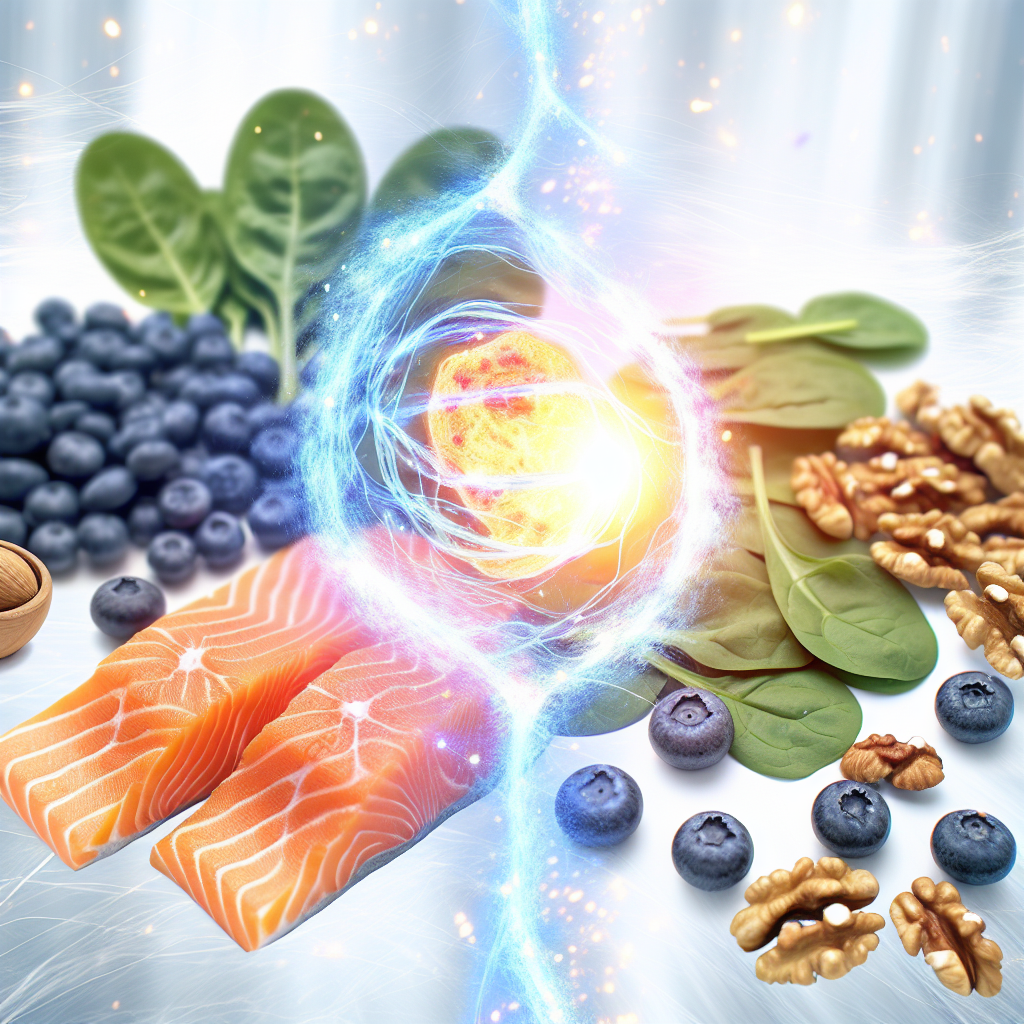
Eating for Mitochondrial Health: Boost Your Cellular Energy Naturally
Have you ever felt like your body’s “battery life” is dwindling as you age? That’s where the mighty mitochondria come into play. These tiny powerhouses inside your cells don’t just deserve your attention; they demand it if you’re keen on staying energetic and youthful. So, let’s explore how tuning up your diet can supercharge these cellular dynamos!
Understanding Mitochondrial Function and Its Impact on Aging
Mitochondria are the “batteries” of our cells, crucial for converting food into the energy that powers almost everything we do. Unfortunately, these cellular power plants start to lose their efficiency as we age. This decline is linked to decreased energy levels and increased risks of age-related diseases. Imagine running your life on a low battery every day; not much fun, right?
Nutritional Strategies for Enhancing Mitochondrial Health
Coenzyme Q10 (CoQ10) and Pyrroloquinoline Quinone (PQQ)
Think of CoQ10 and PQQ as premium fuel for your cellular engines. CoQ10 aids in energy production and doubles as a powerful antioxidant, while PQQ influences cell growth and development. Incorporating foods like oily fish, organ meats, and spinach can naturally boost levels of these vital compounds in your body.
Omega-3 Fatty Acids
The fatty membranes of your mitochondria thrive on omega-3s, which help maintain the fluidity and functionality of these membranes, crucial for energy production. Snack on flaxseeds, walnuts, and enjoy servings of salmon to keep your cellular batteries well-oiled and efficient.
Magnesium and B-Vitamins
Magnesium and B-vitamins are the unsung heroes of energy production. Magnesium is pivotal for creating ATP, the energy currency of the cell, while B-vitamins boost mitochondrial function and help prevent dysfunction. Load up on leafy greens, nuts, and whole grains to keep your mitochondrial machinery humming smoothly.
Antioxidants for Combating Oxidative Stress
Oxidative stress, an imbalance between free radicals and antioxidants in your body, leads to cellular damage. Antioxidants help neutralize these free radicals, thus protecting your mitochondria. Incorporate antioxidant-rich foods like blueberries, dark chocolate, and green tea into your diet to shield your cellular power plants.
Lifestyle Factors That Support Mitochondrial Health
Dietary Patterns
The ketogenic diet and intermittent fasting aren’t just modern trends; they’re also fantastic for your mitochondria. By shifting your energy source from carbs to fats, or by periodically fasting, you encourage your body to improve mitochondrial efficiency and increase their numbers.
Exercise for Mitochondrial Biogenesis
Physical activity, particularly high-intensity interval training (HIIT), can increase the number of mitochondria in your cells, enhancing your energy levels and overall health. Integrating HIIT into your weekly routine could significantly boost your cellular health.
Sleep and Stress Management
Your lifestyle choices directly impact mitochondrial function. Quality sleep and effective stress management not only enhance your mood but also support mitochondrial health. Aim for 7-9 hours of sleep and incorporate relaxation techniques like meditation or yoga into your daily routine.
Common Pitfalls and How to Avoid Them
While adjusting your diet for better mitochondrial health, be cautious of overdoing it with supplements. Fat-soluble vitamins can build up in the body, leading to toxicity if not taken carefully. Also, beware of signs like fatigue and sluggishness, which may indicate mitochondrial stress. When in doubt, consult a healthcare provider.
Conclusion: Putting It All Together
Revving up your cellular engines doesn’t have to be an overwhelming overhaul. Start with small, manageable tweaks to your diet and lifestyle. Embrace more mitochondria-friendly foods, sprinkle in some exercise, and don’t forget to recharge with quality sleep and stress management. Your body—and your mitochondria—will thank you!
What small change can you make today to spark your mitochondrial health into action?