Why Strength Is More Important Than Weight as We Age
If you’re still obsessed with what the bathroom scale tells you every morning, it’s time for a reality check. As we age, the numbers on the scale are less about our health and more about our obsession with gravity. What really matters for healthy aging isn’t just weight — it’s strength. Let’s explore why flexing those muscles is far more important than you might think, especially as you write new chapters in your life story.
The Battle Against Sarcopenia
Ever heard of sarcopenia? It’s the medical term for the loss of muscle mass and strength that occurs as we age. From our 40s onward, we lose about 1-2% of our muscle mass annually. Why should you care? Because this isn’t just about losing strength; it’s about losing independence and increasing the risk of falls and fractures. Maintaining muscle mass is your ticket to an active, independent lifestyle long into your senior years.
More Than Just Lifting Weights
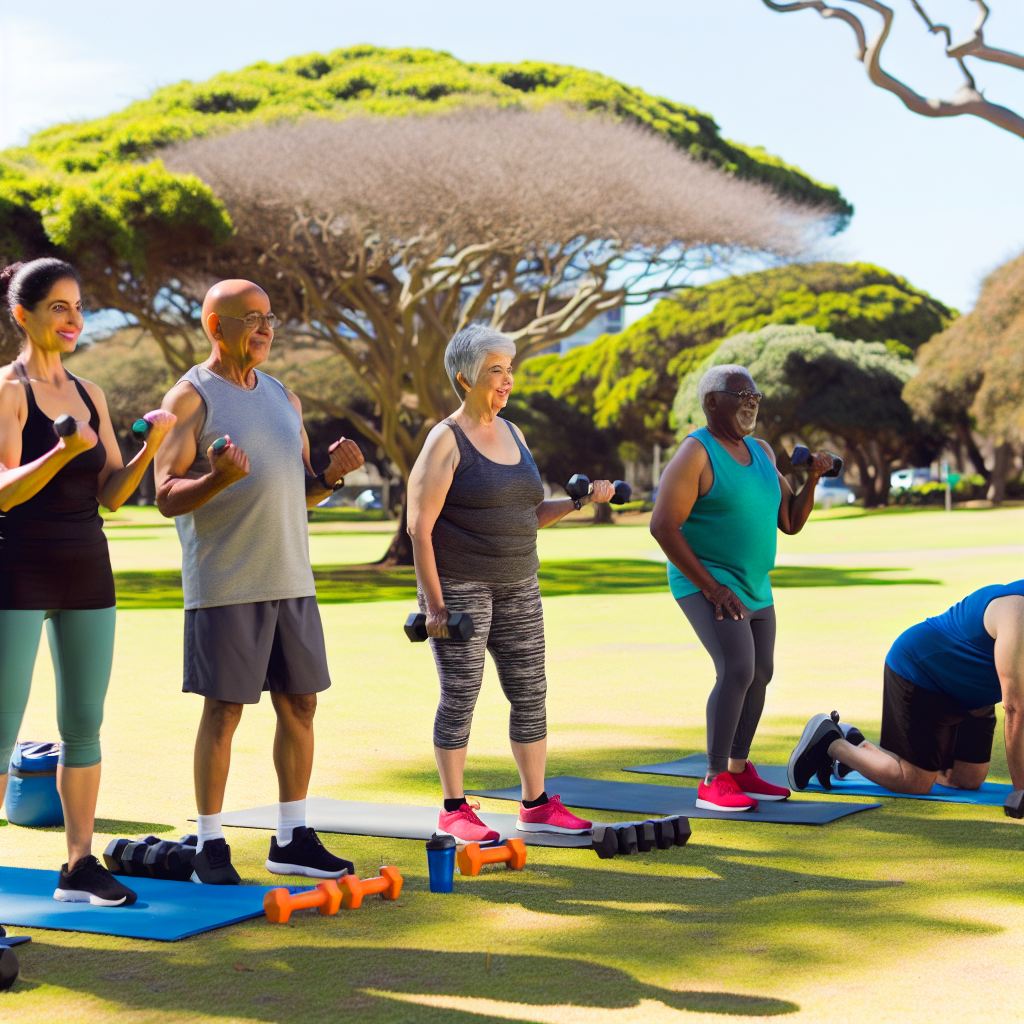
Strength training is about more than pumping iron. It’s about creating a resilient body capable of doing everyday activities with ease and yes, even joy. The benefits of strength training reach far and wide: increased bone density, better metabolic health, improved posture, and enhanced mental health. It reduces the risk of chronic diseases such as diabetes and heart disease and fortifies your mental health by combating anxiety and depression.
Old Dogs and New Tricks: It’s Never Too Late!
Cast aside the old myth that age means you can’t gain muscle. No matter your age, strength training is beneficial and, more importantly, achievable. Tailored and safe strength training routines are not just possible but encouraged for older adults. The key to success is consistency and proper technique, not how much you lift.
Fueling the Engine Right
Your muscles need the right fuel to grow and maintain. Nutrition plays a crucial role in supporting this process. Focus on increasing your intake of lean protein, vitamin D, and omega-3 fatty acids. Don’t forget to hydrate—water plays a key role in maintaining muscle health.
- Protein: Aim for at least 1.2 grams per kilogram of body weight daily.
- Vitamin D: Crucial for bone and muscle health, especially as you age.
- Omega-3 fatty acids: Help reduce muscle loss and support overall health.
Practical Moves for Everyday Strength
Incorporating strength training into your daily routine doesn’t need to be daunting. Simple exercises like squats, wall push-ups, and chair dips can be incredibly effective. Resistance bands are great for adding challenge without needing heavy weights. The best exercise is the one you enjoy and keep doing.
Technology Meets Traditional Training
Modern fitness technology isn’t just for millennials. Wearable devices and online fitness programs make it easier than ever to stay active. They offer personalized guidance and a sense of community, even from the comfort of your home. Explore these options to keep your training engaging and tailored to your needs.
Conclusion: Building Strength for a Stronger Future
Forget the scale; your future depends on your strength. Muscle strength empowers a fuller, more independent life as we age. So next time you consider skipping that workout, remember it’s not about vanity—it’s about vitality.
What steps will you take today to build a stronger tomorrow? How will you redefine strength in your life as you age? Reflect on these questions as you consider the powerful benefits of strength training in your journey towards healthy aging.