Unlocking the Secrets of Protein for Vibrant Aging
Imagine you’re a finely tuned sports car that’s been hitting the roads for a few decades. Just like your car might need more frequent tune-ups as it ages, so does your body—especially when it comes to nutrition. Enter protein, the powerhouse nutrient that helps keep our engines running smoothly and our chassis—ahem, bodies—strong and spry!
The Importance of Protein in Aging
Muscle Mass and Strength
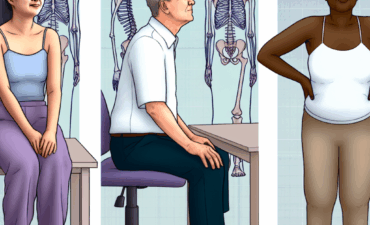
Remember how easy it was to open a jar of pickles or sprint for a bus? As we age, our muscle mass gradually declines—a condition known as sarcopenia. But here’s a secret: protein is a muscle’s best friend. This essential nutrient is critical for muscle repair, growth, and maintenance, helping us stay vigorous and independent.
Bone Health
Beyond muscle, protein is the unsung hero of bone health. It plays a vital role in maintaining bone density and helping us steer clear of osteoporosis. Consider protein the silent guardian of your skeletal fortress, keeping you sturdy and unbreakable.
Metabolic Efficiency
Long gone may be the days of eating whatever you fancy without a second thought. As our metabolism slows down, protein helps keep it lively, ensuring our cells and energy production stay as youthful as possible.
How Much Protein Do Older Adults Really Need?
General Guidelines
The young might skate by with less, but older adults should aim for about 1.0 to 1.5 grams of protein per kilogram of body weight. This increase is vital for counteracting muscle loss and supporting overall health.
Factors Influencing Protein Needs
Your lifestyle plays a big role here. A marathon runner? A yoga enthusiast? Your activity level influences your protein needs. Plus, chronic health conditions can also affect how your body processes protein, so keep that in mind when planning your meals.
Calculating Individual Needs
Here’s how you can figure out your protein needs: take your weight in pounds, divide it by 2.2 to convert it to kilograms, then multiply by 1.2. That’s your target for daily protein intake in grams. Adjust this number based on your activity level and health status.
Timing and Distribution of Protein Intake
Benefits of Even Distribution
Don’t save all your protein for dinner. Spreading your intake throughout the day can help maintain muscle mass more effectively.
Post-Exercise Protein
Just wrapped up some physical activity? Your muscles are eager for some protein. Snack on something rich in protein within 45 minutes after exercise to help with muscle repair and growth.
Best Protein Sources for Older Adults
Animal-Based Proteins
- Chicken: Lean and mean protein machine.
- Fish: Packs a punch with protein and omega-3 fatty acids.
- Eggs: Small but mighty with high-quality protein.
- Dairy: Milk, cheese, and yogurt offer great taste and protein.
Plant-Based Proteins
Prefer plants? No worries! Beans, lentils, tofu, and quinoa are fantastic protein sources. Just remember to mix different types to ensure you’re getting a complete amino acid profile.
Supplements
Sometimes diet alone doesn’t meet our protein needs. In these cases, supplements like whey protein can be a great help, especially if you find it tough to consume enough protein through food alone.
Overcoming Challenges in Protein Intake
Appetite Issues
Not feeling hungry? Opt for protein-rich snacks like Greek yogurt or smoothies that are easy to consume and digest.
Digestive Concerns
If high-protein meals are tough on your stomach, start slow and ramp up gradually. Ensuring you’re also getting enough fiber can help keep things moving smoothly.
Economic and Accessibility Considerations
Worried about the cost? Eggs, canned tuna, and legumes are budget-friendly, protein-rich options that won’t break the bank.
Conclusion
Could the secret to a fountain of youth really lie in protein? By understanding your protein needs, sourcing it wisely, and integrating it effectively into your diet, you’re paving the way for a healthier, more active life. So, what’s your next step towards boosting your protein intake? Let’s chat in the comments below—share your thoughts, plans, or ask for advice. Together, we can build a stronger, healthier future!