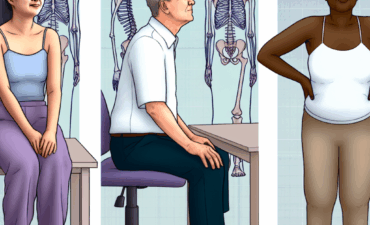
Welcome to Your Golden Years: Daily Movement vs. Structured Exercise
Ever found yourself breathless after a playful game of tag with the grandkids, thinking, “I used to be faster than this!”? As the years stack up, so do questions about maintaining our health and vitality. Should we sprinkle movement throughout our day or carve out time for structured workouts? Let’s lace up our sneakers and explore which approach might just be the secret ingredient to thriving in our golden years.
Understanding the Basics
What Happens to Our Bodies as We Age?
Time doesn’t just add wisdom—it modifies our body. Muscle mass shrinks, bones may thin, and our hearts don’t pump as efficiently. These aren’t just facts; they’re calls to action to keep moving!
Defining Our Terms – Daily Movement vs. Structured Exercise
Daily movement is the activity sneaked into your routine: think pacing while on the phone or turning up the radio and dancing while dinner cooks. Structured exercise, however, involves intentional activity like hitting the gym, joining a Zumba class, or mastering Tai Chi.
The Benefits Breakdown
The Everyday Ease of Daily Movement
Integrating movement into daily life is seemingly effortless and incredibly effective. It’s all about keeping your body in motion, even in small doses. The benefits are vast:
- Minimizing time spent sitting, which is critical as sedentary behavior is linked to numerous health issues.
- Boosting mood and mental health through natural, enjoyable activities.
- Keeping joints and muscles limber, helping you maintain independence.
The Targeted Impact of Structured Exercise
While daily activities help keep the engine running, structured exercise is like a tune-up for your body. It targets specific health metrics with precision. Here’s what it brings to the table:
- Significant boosts in cardiovascular health and muscular strength.
- Opportunities to socialize, which can enhance mental health and emotional well-being.
Science-Backed Insights
What Research Says About Aging and Activity
Decades of studies underline that both daily movement and structured exercise play crucial roles in extending our healthspan. Global health authorities like the WHO advocate for a mix of moderate and vigorous activities weekly, tailored to each individual’s capabilities and health conditions.
Real-World Application
Integrating Movement and Exercise into Your Life
Making physical activity a regular part of your day doesn’t have to be a chore. Here are some seamless ways to blend in both types of activities:
- Consider a standing desk or set reminders to stand and stretch every hour.
- Explore classes geared toward your age group or fitness level, making exercise a fun and social event.
- Utilize technology—fitness trackers or apps—to monitor your activity levels and keep you motivated.
Overcoming Challenges
Addressing Common Barriers
Staying active can sometimes feel like a battle against your body’s limits. Here’s how to tackle those hurdles:
- Select low-impact exercises if joint pain is a concern.
- Break your fitness goals into small, achievable milestones.
- Always consult with health professionals to tailor activities that fit your health profile and physical capabilities.
Conclusion
Whether it’s a spontaneous dance while making dinner or a scheduled spin class, combining daily movement with structured exercise could be your best strategy for a healthier, happier aging journey. Reflect on your current activity levels: Are they enough to keep you thriving, or is there room to twist, stretch, and step up your game?