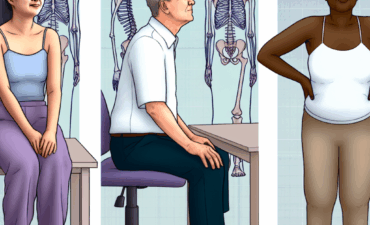
The Aging Athlete’s Guide to Recovery
Ever felt nostalgic about those days when recovery meant a quick nap and you were ready to go again? Now, it might seem like your body demands a peace treaty after every workout session. But don’t hang up your running shoes yet! Whether you’re in your forties or well into your sixties, the right recovery strategies can keep you sprinting past those so-called ‘spring chickens’ at the park. Let’s dive into how you can bounce back quicker, smarter, and maybe even with a bit of swagger.
1. Understanding the Aging Athlete
Physiological Changes
As the years tick by, our bodies aren’t as quick to recover due to changes like decreased muscle mass and reduced elasticity in tendons and ligaments. Understanding these changes can help you tailor your recovery process more effectively.
Psychological Aspects
The mind plays a pivotal role in physical recovery. Keeping the flame of motivation alive is essential, because let’s face it, age is just a number but your spirit is ageless.
2. Nutrition for Recovery
The right diet can significantly enhance your recovery. Here’s what you should focus on:
- Protein Needs: Increasing your intake of high-quality protein is crucial as it helps repair and build muscle tissues.
- Anti-inflammatory Foods: Incorporate foods like berries, nuts, and green leafy vegetables to help reduce inflammation and aid recovery.
- Hydration: Keep dehydration at bay by drinking plenty of fluids before, during, and after workouts. Older athletes are more susceptible to dehydration, which can hinder recovery times.
3. Exercise and Training Adjustments
Modifying your training routine is not about slowing down, but rather about smart pacing:
- Low-Impact Workouts: Engage in activities like swimming or cycling, which are easier on the joints.
- Strength Training: Light weights or resistance bands can help maintain muscle mass and bone density.
- Flexibility and Balance: Practices like yoga or Pilates not only enhance flexibility but also significantly improve balance and core strength.
4. Sleep and Its Impact on Recovery
Never underestimate the power of a good night’s sleep:
- Sleep Patterns: Aim for 7-9 hours of quality sleep as it plays a critical role in muscle repair and overall well-being.
- Improving Sleep Quality: Establish a regular sleep schedule and make your bedroom a sanctuary from stress and electronic devices.
5. Advanced Recovery Techniques
Welcome to the future of recovery, where technology meets tradition:
- Technology Tools: Use wearables to monitor your recovery needs and adapt your training accordingly.
- Manual Therapies: Techniques like massages or foam rolling help release muscle tightness and improve blood circulation.
- Temperature Therapies: Use heat to relax muscles and cold to reduce post-workout inflammation for optimal recovery.
6. Preventing and Managing Injuries
An ounce of prevention is worth a pound of cure, especially as you age:
- Common Injuries: Be aware of signs of tendinitis and stress fractures, and adjust your training intensity as needed.
- Rehabilitation: Follow proper rehabilitation guidelines to safely return to your activities post-injury.
7. Mental Resilience and Community
Keeping your mental game strong is as important as your physical regime:
- Staying Motivated: Connecting with other athletes can provide the encouragement needed to keep pushing forward.
- Mental Health Resources: Never hesitate to seek professional help if you’re struggling to stay motivated. Remember, taking care of your mental health is as important as your physical health.
Conclusion
Adapting your training and recovery methods as you age is not just about staying in the game; it’s about excelling in it. With the right strategies, you can continue to enjoy your athletic pursuits with gusto and minimal discomfort. So, which recovery strategy are you excited to try next? How will you adjust your routine to not just keep up, but set the pace? Share your thoughts and let’s inspire each other to keep moving forward, no matter the age!