Unlocking the Secret to Healthy Aging: The Role of Microbiome Diversity
Have you ever walked into a room and forgotten why you’re there? While these “senior moments” can give us a chuckle, they also prompt a serious question: Could the key to aging gracefully be hidden within the billions of microorganisms bustling in our gut? That’s right, the microbiome—our body’s complex community of microbes—might just hold the secrets to a healthier, sprightlier old age.
Understanding the Microbiome and Its Role in Aging
What is the Microbiome?
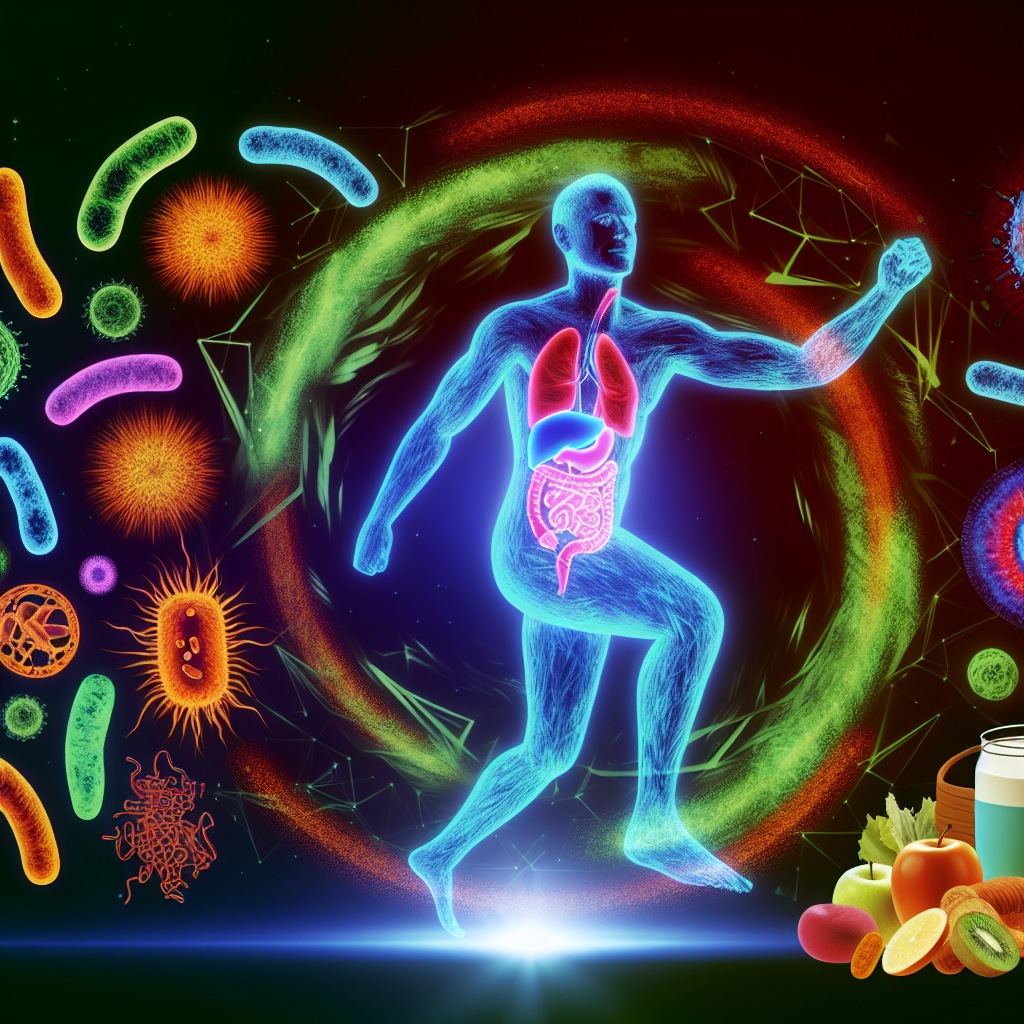
Imagine a bustling city within you, that’s your microbiome. This vast ecosystem, primarily located in the gut, is made up of trillions of bacteria playing a crucial role in digesting your food, protecting against pathogens, and even regulating your mood and immune system.
The Aging Microbiome
As we age, our internal microbial metropolis experiences a decline in both population and diversity, which can lead to a host of health issues. From increased inflammation to heightened risk of chronic diseases, a depleted microbiome can significantly impact our golden years. The richer the diversity of your microbiome, the stronger your body’s defense against disease.
Factors That Disrupt Microbiome Diversity as We Age
Dietary Decisions
What you eat profoundly affects your microbiome. Diets high in fats and sugars, but low in fiber—think typical Western diets—can evict beneficial bacteria from your gut. Opting for a balanced diet rich in plants can help maintain a healthy microbial community.
Lifestyle and Medication
Not just what you eat, but how you live plays a role too. A sedentary lifestyle, stress, and the use of medications like antibiotics and NSAIDs can disrupt your gut flora balance, sometimes with lasting effects. Regular movement and stress management are key to a happy gut.
Proactive Steps to Support and Enhance Microbiome Diversity
Diet for a Diverse Microbiome
- Eat a rainbow: Consuming a variety of fruits and vegetables can boost the types of bacteria in your gut.
- Fermented favorites: Incorporate foods like yogurt, kefir, and kimchi, which are rich in probiotics and bolster gut health.
- High-fiber foods: Foods rich in fiber serve as fuel for gut bacteria, promoting their growth and activity.
Lifestyle Modifications
Maintaining an active lifestyle isn’t just good for your muscles; it also helps your microbes flourish. Coupled with good sleep and methods to reduce stress like yoga or meditation, you can significantly improve your microbiome health. Exercise, sleep well, and keep calm to keep your gut happy.
The Role of Probiotics and Prebiotics
Enhancing your diet with probiotics and prebiotics can support your microbiome, especially important after antibiotic use or during illness. Choosing supplements wisely is crucial—look for those backed by research and suited to your specific health needs.
Emerging Trends and Future Directions in Microbiome Research
Personalized Nutrition Based on Microbiome Analysis
Imagine a diet perfectly tailored to your body’s needs. Advances in microbiome testing are paving the way for personalized nutrition plans that optimize individual health through targeted dietary recommendations.
Innovations in Probiotic Treatments
The probiotic sector is buzzing with innovation, developing new supplements aimed at addressing specific health concerns. These advancements are set to transform approaches to disease prevention and aging.
Conclusion
While the fountain of youth remains mythical, the pursuit of a diverse and thriving microbiome offers a science-backed path to enhancing our health span. By nurturing our gut bacteria through thoughtful diet and lifestyle choices, we not only improve our present health but also invest in a healthier future.
What change will you make this week to foster a healthier microbiome and potentially transform your approach to aging?