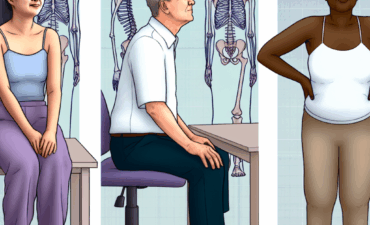
Stand Tall: Unveiling the Impact of Posture on Aging Gracefully
Ever wondered why some individuals seem to defy the aging process, striding through their 70s with the pep of someone decades younger? It’s not just good genes or a secret potion; something as simple as the way you stand, sit, and sleep plays a pivotal role. Yes, posture is the unsung hero of longevity. Let’s dive into why maintaining a good posture could be your best strategy for aging gracefully.
The Science of Posture and Aging
Definition and Basics of Good Posture
Good posture is more than standing up straight; it’s about optimal alignment where muscle and ligament stress is minimized. This proper alignment ensures that the spine supports your body weight efficiently, reducing wear on joints and tissues.
Physiological Benefits of Maintaining Good Posture
Your body, a marvel of engineering, functions best when properly aligned. Good posture ensures that bones and joints are correctly positioned, which helps prevent wear and enhances muscle efficiency. This efficiency can combat fatigue and boost your energy levels. Good posture isn’t just for appearances; it’s vital for vitality.
Postural Decline with Age: Causes and Effects
Common Postural Issues in Later Life
Age brings wisdom but also challenges to our posture. Changes such as kyphosis or forward head posture are common as we age.
Contributing Factors
Factors like decreased muscle strength, reduced flexibility, and changes in joint cartilage play a role, alongside lifestyle habits such as prolonged sitting or insufficient physical activity.
Health Consequences
Poor posture does more than just tweak how we look—it can significantly impact health. Issues can range from back and neck pain to impaired balance and reduced lung capacity.
Strengthening Your Stance: Fitness and Exercise
Improving your posture is achievable at any age, with specific exercises designed to strengthen muscles and realign your body.
- Planks and bridges to bolster your core, the central support for your posture.
- Shoulder blade squeezes to counteract forward hunching.
- Yoga or pilates to enhance flexibility and range of motion.
Regular strength and flexibility training can significantly improve your posture and overall health.
Nutritional Support for a Sturdy Framework
Diet plays a pivotal role in maintaining structural health. Ensuring you’re getting the right nutrients can help keep your bones and muscles strong.
- Calcium and Vitamin D: Crucial for bone health and preventing conditions like osteoporosis.
- Protein: Essential for maintaining muscle mass, which supports proper posture.
- Hydration: Key for the health of spinal discs and joint function.
The Role of Sleep in Maintaining Posture
The way you sleep and what you sleep on can influence your posture. Choosing the right mattress and pillow can support the spine’s natural curve, helping prevent and alleviate posture-related issues.
Leveraging Technology and Trends
Modern technology, like posture-correcting wearables, can provide reminders and data to help you maintain and improve posture. Additionally, telehealth services make it easier to access professional assistance for posture improvement from home.
Practical Tips for Everyday Posture Maintenance
Being mindful of your posture during everyday activities is key. Small adjustments, like ergonomic changes to your workspace, can make a significant difference.
Conclusion
Embracing good posture is about more than maintaining your looks; it’s about supporting an active, healthy lifestyle as you age. With the right approach to exercise, nutrition, and daily habits, your posture can support a vibrant life full of activity and independence.
Think about the last time you adjusted your posture—how did it make you feel? What if you could integrate one small posture-enhancing habit into your daily routine? Imagine the impact it could have on your health and wellness. What will your first step be?